Home damage rarely starts with a dramatic collapse or sudden failure. More often, it begins quietly through small exterior weaknesses that allow water, pests, or air to enter the structure unnoticed. A loosened seam, a tiny gap, or a worn seal may seem insignificant at first, especially when there are no visible signs indoors. Because these issues develop slowly, they are easy to dismiss or postpone. Over time, however, repeated exposure to moisture, temperature changes, and environmental stress causes these minor flaws to grow into significant problems. What starts as a small vulnerability can eventually lead to expensive repairs involving framing, insulation, interior finishes, and even electrical systems.
Exterior repairs serve as the first line of defense against this type of damage. The exterior of a home functions as a protective barrier, shielding internal systems from constant exposure to the elements. When roofs, siding, doors, and exterior materials are maintained properly, they work together to form a continuous envelope that controls moisture, airflow, and access points. Preventive repairs reduce the strain on interior components and help maintain stable indoor conditions. They also significantly lower the likelihood of emergency service calls, insurance claims, and unexpected disruptions that can interrupt daily life and strain household budgets.
This article explores how thoughtful exterior maintenance helps prevent widespread and costly damage before it takes hold. By understanding where exterior problems typically begin and how they spread through the structure, homeowners can take targeted, proactive action. With the right approach, small repairs become strategic investments that protect comfort, safety, and long-term property value rather than reactive expenses that arrive too late.
Spot Early Roofing Weaknesses Before Problems Multiply

One of the most effective ways to prevent serious home damage is recognizing roofing issues early. Many homeowners assume visible leaks are the first sign of trouble, but by the time water reaches the interior, damage has often been progressing for months. Experienced roofers know that deterioration frequently begins at seams, flashing points, and penetrations long before stains appear on ceilings.
Regular exterior checks help identify subtle warning signs such as lifted shingles, cracked sealants, or rusted flashing. These areas are especially vulnerable because they experience constant movement from temperature changes and wind exposure. Ignoring these early indicators allows moisture to travel into decking and insulation, weakening the roof structure itself.
Homeowners can reduce risk by focusing on prevention rather than waiting for obvious failure. Helpful habits include:
-
Walking the property perimeter after storms
-
Checking attic spaces for musty odors or damp insulation
-
Photographing roof conditions annually to track changes
Early action limits the spread of damage and keeps repair scopes manageable instead of overwhelming. Early detection also makes scheduling repairs easier, since problems can be handled during normal maintenance instead of emergency conditions. Consistent monitoring empowers homeowners to make informed decisions instead of reacting under pressure.
Address Drainage Problems on Low-Slope Roofs Immediately
Low-slope roofing systems present unique challenges when it comes to moisture management. Unlike pitched roofs, water does not shed quickly, which means drainage problems can escalate rapidly. Flat roof repairs become critical when ponding water lingers after rainfall, placing prolonged stress on membranes and seams.
Standing water accelerates material breakdown and increases the likelihood of leaks penetrating insulation layers. Once moisture becomes trapped, it compromises thermal performance and creates conditions for mold growth. The real danger lies in the fact that interior signs may not appear until damage is extensive.
Preventive steps homeowners should monitor include:
-
Clearing debris from drains and scuppers
-
Watching for bubbling or blistering on the surface
-
Noting soft spots that suggest saturated materials
Prompt attention to these indicators reduces the risk of structural deterioration and costly replacement work later on. Taking action early preserves the performance of the entire roofing system, not just the surface layer. Proper drainage management also reduces interior humidity issues that can affect comfort and air quality.
Plan Exterior Maintenance With a Long-Term Strategy
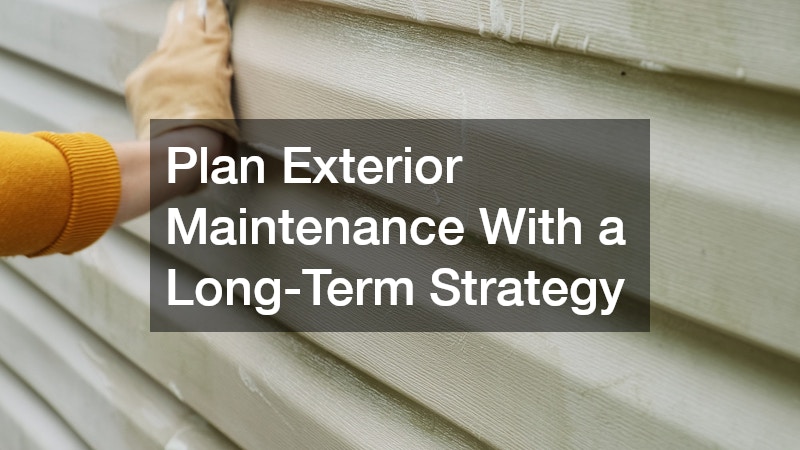
Exterior systems function best when repairs are coordinated rather than handled in isolation. Working with residential roofing contractors as part of a broader maintenance plan allows homeowners to align repairs with material life cycles. This approach avoids repeating labor costs and minimizes disruption to the home.
For example, addressing minor roof repairs while planning future siding updates can prevent the need to undo completed work later. When exterior projects are timed strategically, flashing, ventilation, and sealing details are integrated properly instead of patched together over time.
A long-term maintenance strategy should include:
-
Evaluating the remaining lifespan of major components
-
Prioritizing repairs that protect structural elements
-
Budgeting annually for preventive exterior upkeep
This proactive mindset reduces emergency expenses and ensures repairs reinforce one another instead of creating new vulnerabilities. When exterior work follows a clear plan, homeowners gain better control over costs and timelines. This approach also reduces stress by replacing surprise repairs with predictable upkeep.
Protect Wall Systems From Hidden Moisture Intrusion
Exterior walls play a critical role in preventing water from entering the home, yet siding issues often go unnoticed. Gaps, warped panels, or failed fasteners allow moisture to slip behind the surface, where it quietly damages sheathing and framing. Metal board and batten siding service is often used to correct these vulnerabilities by reinforcing seams and improving drainage pathways.
Moisture trapped behind siding rarely dries on its own. Over time, it leads to rot, insulation failure, and compromised indoor air quality. Because damage occurs out of sight, homeowners may not realize the extent until repairs become extensive.
Key warning signs to watch for include:
-
Paint blistering or discoloration
-
Soft areas near trim and corners
-
Unexplained increases in humidity indoors
Maintaining siding integrity preserves the structural core of the home and prevents widespread moisture-related deterioration. Keeping wall systems dry protects not only the structure but also the energy efficiency of the home. Dry insulation performs better and reduces long-term heating and cooling expenses.
Respond Quickly to Localized Roof Damage
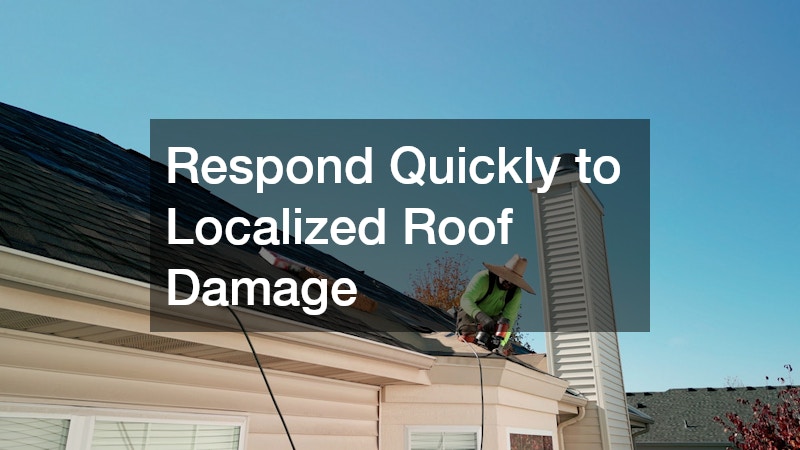
Roof damage doesn’t always affect the entire structure at once. Small punctures, lifted shingles, or flashing failures may impact only a limited area, but delaying action allows damage to spread unpredictably. Searching for roof repair near me often happens after interior symptoms appear, yet addressing localized issues earlier prevents much larger problems.
Water rarely travels straight down. It follows framing members, insulation paths, and gravity-defying routes before becoming visible. This makes early exterior repairs especially valuable because they stop water at its entry point rather than chasing it inside the home.
Homeowners can reduce escalation by:
-
Investigating missing or damaged materials promptly
-
Using temporary protective measures only as short-term solutions
-
Documenting damage immediately after storms
Quick response minimizes both repair scope and disruption, keeping damage confined rather than catastrophic. Early intervention keeps repairs focused and affordable instead of reactive and disruptive. It also helps homeowners maintain documentation that supports warranties and insurance claims if needed.
Prevent Wildlife From Exploiting Exterior Openings
Small exterior gaps often become entry points for wildlife seeking shelter. Once inside, animals cause extensive damage by chewing through materials, nesting in insulation, and widening access points. Squirrel removal companies are frequently involved after roofing and fascia weaknesses have already allowed entry.
The real issue isn’t just removal—it’s prevention. Wildlife exploits vulnerabilities created by aging materials, loose trim, or previous repairs that weren’t sealed properly. Once animals establish a nesting area, the damage accelerates rapidly.
Preventive exterior measures include:
-
Reinforcing vulnerable roof edges and soffits
-
Sealing gaps around vents and attic openings
-
Repairing chewed materials immediately
Stopping wildlife intrusion early protects insulation, wiring, and structural components from costly destruction. Addressing entry points early prevents repeat infestations and escalating repair costs. A secure exterior also reduces noise, odors, and sanitation concerns caused by nesting animals.
Control Insect Activity Before Structural Damage Occurs
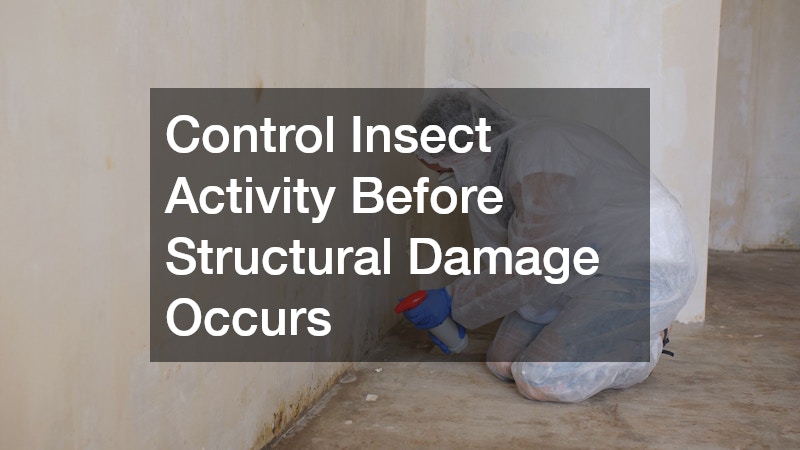
Insects often enter homes through tiny exterior breaches that homeowners rarely notice. Moisture-damaged wood, cracked sealants, and soil contact create ideal access points. A local exterminator is often called after infestations are established, but exterior maintenance plays a major role in prevention.
Termites, carpenter ants, and other insects are especially attracted to damp materials. When moisture intrusion goes unchecked, it creates a perfect environment for infestation that weakens framing over time.
Homeowners can reduce risk by focusing on:
-
Sealing exterior cracks and joints
-
Eliminating moisture sources near foundations
-
Keeping siding and trim clear of soil contact
Exterior repairs that address moisture and access points dramatically reduce the likelihood of insect-related structural damage. Preventive exterior maintenance reduces the need for repeated interior treatments. It also protects load-bearing materials that are expensive and disruptive to replace once compromised.
Choose Materials That Resist Weather and Wear
Material selection has a direct impact on how well a home resists damage over time. Some materials deteriorate quickly under constant exposure, while others offer long-term durability with minimal maintenance. Aluminum is often used in exterior components because it resists corrosion, withstands impact, and performs well in varied climates. Using durable materials reduces the frequency of repairs and the risk of secondary damage caused by failure. When exterior components last longer, they maintain protective barriers more consistently.
Benefits of durable material choices include:
-
Improved resistance to moisture and pests
-
Lower maintenance demands
-
Extended lifespan of surrounding components
Strategic material upgrades often cost less in the long run by preventing repeated repairs and protecting underlying structures. Durable materials provide peace of mind by maintaining protection through seasonal extremes. Over time, they help stabilize maintenance budgets and reduce unexpected repair cycles.
Seal Doors Properly to Block Water and Air Intrusion
Doors are one of the most common yet overlooked sources of exterior leakage. Over time, shifting foundations and weather exposure cause gaps that allow water and air to enter. Residential door service focuses on correcting alignment issues, sealing failures, and threshold deterioration that lead to interior damage. Even small gaps can allow water to seep into flooring, wall cavities, and subflooring. Air leaks also contribute to energy loss and condensation issues that encourage mold growth.
Homeowners should routinely check for:
-
Drafts around frames
-
Soft or warped door thresholds
-
Water stains near entryways
Maintaining proper door sealing protects both comfort and structural integrity while preventing moisture-related damage inside the home. Well-sealed doors improve indoor comfort while protecting nearby structural materials. Consistent inspections ensure small alignment issues don’t develop into costly moisture problems.
Act Quickly When Moisture Damage Is Discovered
Despite preventive efforts, moisture intrusion sometimes occurs. When it does, swift action is essential to limit damage. Water damage restoration addresses not only visible moisture but also hidden saturation that compromises structural materials and indoor air quality. Delaying response allows moisture to spread behind walls and beneath flooring, dramatically increasing repair costs. Simply drying surfaces is rarely enough; affected materials must be evaluated to ensure long-term safety.
Effective response includes:
-
Identifying and repairing the exterior source immediately
-
Removing compromised materials when necessary
-
Monitoring affected areas for recurring moisture
Fast, coordinated action prevents minor incidents from escalating into widespread structural and health concerns. Swift response limits disruption to daily life and shortens recovery time. Addressing moisture thoroughly also reduces the risk of recurring issues in the same area.
Exterior repairs are not just about appearance—they are about protection. Every roof seam, siding panel, door seal, and material choice plays a role in safeguarding the home from moisture intrusion, pest access, and gradual structural deterioration. When even one of these elements fails, it can create a chain reaction that affects insulation, framing, finishes, and indoor air quality. Proactive maintenance stops these problems at the exterior boundary, where repairs are typically simpler and far less expensive. By reinforcing the home’s outer defenses, homeowners reduce the likelihood of hidden damage that often goes unnoticed until it becomes disruptive and costly.
Addressing small exterior issues early and coordinating maintenance across systems helps preserve long-term property value while protecting daily comfort and safety. Preventive care allows homeowners to plan repairs on their own timeline instead of reacting to emergencies under stress. It also minimizes downtime, reduces surprise expenses, and extends the lifespan of critical structural components. In the long run, prevention consistently proves more affordable than restoration. Thoughtful exterior care remains one of the smartest investments a homeowner can make, delivering peace of mind alongside lasting protection.