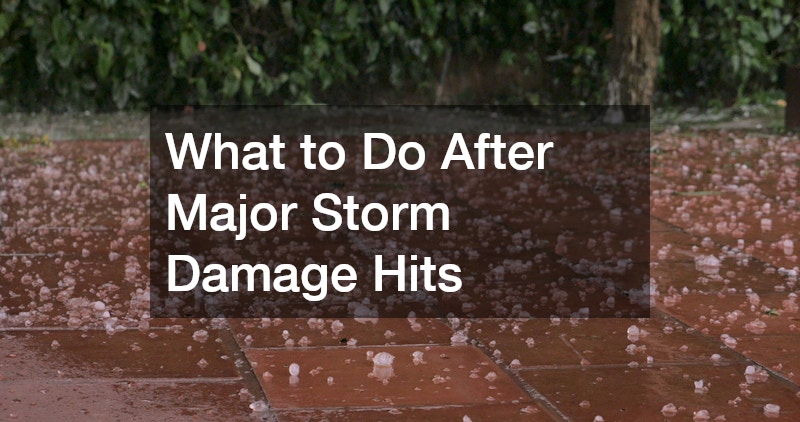
When a major storm hits, the aftermath can feel overwhelming. Between visible destruction, hidden damage, and the emotional toll, it’s not always clear where to start. Acting quickly is important—but acting wisely is even more critical. The steps you take in the first hours and days after a storm can make a significant difference in both your safety and the long-term condition of your home. This guide walks you through exactly what to do, helping you prioritize safety, minimize damage, and restore your property efficiently.
Ensure Immediate Safety for Your Household
Your first priority after any storm should always be the safety of everyone in your household. Before inspecting damage or starting cleanup, take a moment to check that all family members and pets are accounted for and unharmed. Injuries may not always be immediately obvious, especially in high-stress situations, so carefully assess everyone and seek medical attention if needed. As you begin moving through your home or yard, proceed cautiously—storm damage often creates hidden hazards such as broken glass, exposed nails, unstable flooring, and sharp debris.
Be especially aware of larger dangers like downed power lines or the smell of gas. These situations require immediate professional attention, and you should keep a safe distance at all times. If your home has suffered structural damage, such as a partially collapsed roof or leaning walls, it may be safest to evacuate until a professional inspection can be completed.
One of the most common post-storm risks involves damaged trees. Large branches or entire trees may have fallen or become unstable, posing a continued threat even after the storm has passed. In these situations, contacting an emergency tree service is critical. Attempting to remove heavy or precarious limbs yourself can be extremely dangerous without the proper equipment and expertise. Prioritizing safety first ensures that the recovery process begins on the right foot.
Assess Visible Damage Before Taking Action

After confirming that your home is safe to enter and move around, the next step is to carefully assess the visible damage. This process is essential not only for planning repairs but also for supporting your insurance claim. Take your time walking around both the exterior and interior of your property, documenting everything you see. Use your phone to capture clear photos and videos of all affected areas, including the roof, siding, windows, and any structural concerns.
While inspecting your property, look for both obvious and subtle signs of damage. Missing shingles, cracked siding, broken windows, and dents from hail or debris are easy to spot. However, you should also watch for less visible issues such as warped materials, shifting foundations, or water stains that could indicate deeper problems. Trees should be examined closely as well—branches that are partially broken or hanging precariously can fall later, even if they didn’t collapse during the storm.
If you identify overgrown or damaged trees near your home, it’s wise to contact a tree trimming company early in the process. Addressing these risks promptly can prevent additional damage, especially if more storms are expected. A thorough and well-documented assessment sets the stage for effective repairs and ensures you don’t overlook critical issues that could worsen over time.
Start Clearing Debris Without Putting Yourself at Risk
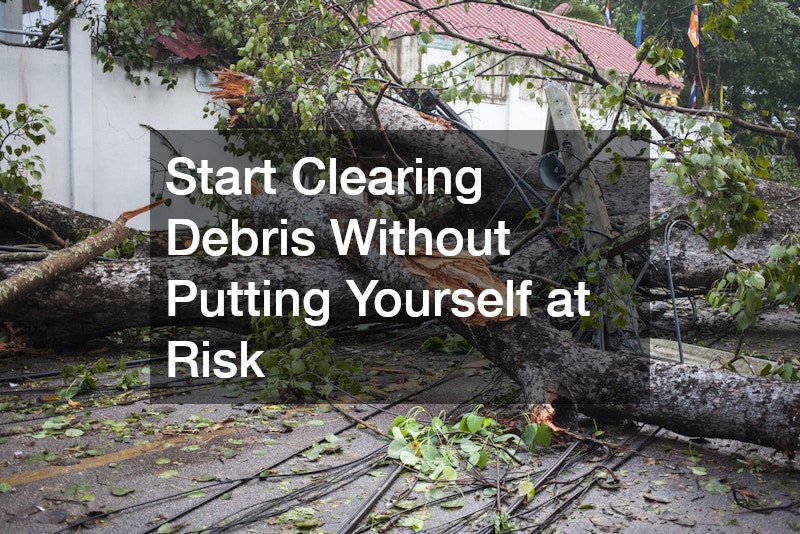
Cleaning up after a storm is often one of the most physically demanding parts of the recovery process, but it’s important to approach it carefully and strategically. While it may be tempting to begin clearing everything immediately, safety should remain your top priority. Start by focusing on areas that are essential for accessibility, such as driveways, walkways, and entry points to your home. Clearing these spaces first ensures that you and emergency services can move safely if needed.
When handling debris, always wear protective gear including gloves, sturdy boots, and eye protection. Storm debris can include sharp objects like glass, nails, and splintered wood, all of which pose injury risks. Avoid lifting heavy items on your own, as this can lead to strain or more serious injuries. If you encounter large branches, damaged roofing materials, or hazardous waste, it’s best to leave those tasks to professionals.
Hiring a service for debris removal can save time and significantly reduce risk, especially when dealing with large-scale damage. These professionals have the proper equipment to handle heavy or dangerous materials efficiently. Additionally, removing debris quickly is not just about restoring order—it helps prevent further issues such as water pooling, pest infestations, and mold growth. A careful and methodical cleanup process ensures your property is safe and ready for the next phase of recovery.
Prevent Water Intrusion as Quickly as Possible
Water intrusion is one of the most damaging consequences of a major storm, and it can escalate rapidly if not addressed right away. Even small openings in your roof, walls, or windows can allow water to seep in, leading to structural damage, mold growth, and costly repairs. Acting quickly to minimize exposure is essential in protecting your home.
Begin by identifying any areas where water may be entering. Check your roof for missing shingles or visible gaps, and inspect your attic and ceilings for signs of leaks such as stains or damp spots. If you notice exposed areas, use tarps or waterproof coverings to temporarily seal them. These quick fixes can significantly reduce the amount of water entering your home until permanent repairs can be made.
In more severe cases, you may need to arrange for emergency roof repair services immediately. Professional assistance ensures that the most vulnerable parts of your home are secured properly, preventing further damage during additional rainfall. It’s important to remember that water damage often spreads beyond what you can see, so addressing the source quickly is critical. Taking these preventative steps early can save you from much larger repair costs and complications down the line.
Handle Interior Water Damage the Right Way
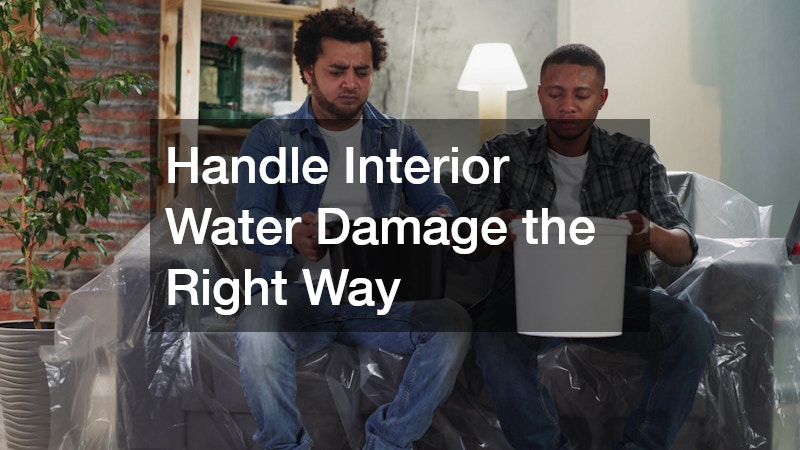
Once water has entered your home, it’s crucial to act quickly to minimize damage and prevent long-term issues. Moisture can spread rapidly through walls, flooring, and insulation, creating the perfect environment for mold growth. The first 24 to 48 hours are especially important, as prompt action can significantly reduce the extent of the damage.
Start by removing any standing water using pumps, buckets, or wet vacuums. Once the excess water is gone, focus on drying out the affected areas. Open windows to improve ventilation and use fans or dehumidifiers to speed up the drying process. Remove wet carpets, rugs, and furniture as soon as possible, as these materials can retain moisture and contribute to mold growth.
In cases of significant damage, working with a water damage company is highly recommended. These professionals have specialized equipment and expertise to thoroughly dry and restore your home, including areas that may not be immediately visible. They can also help identify hidden moisture behind walls or under flooring, ensuring that no problem areas are left untreated.
Addressing water damage properly not only protects your home’s structure but also safeguards your health. Taking swift and thorough action ensures that your living environment remains safe and comfortable.
Inspect and Stabilize Your Roof Structure
Your roof plays a critical role in protecting your home, and storm damage can compromise its integrity in ways that aren’t always immediately visible. Even minor issues, such as a few missing shingles, can lead to significant problems if left unaddressed. That’s why a thorough inspection is essential after any major storm.
Begin by visually examining your roof from the ground, looking for signs such as missing or damaged shingles, sagging areas, or debris accumulation. Inside your home, check for water stains on ceilings or walls, as these can indicate leaks. Pay close attention to areas around chimneys, vents, and skylights, as these are common points of vulnerability.
While a basic inspection can help you identify obvious issues, it’s best to rely on experienced roofers for a comprehensive assessment. Professionals can safely access your roof and identify both visible and hidden damage, providing you with a clear understanding of what needs to be repaired.
Choose Reliable Professionals for Major Repairs
After a storm, finding the right professionals to handle repairs is crucial. Unfortunately, this is also a time when unreliable contractors may take advantage of homeowners in urgent situations. Taking a careful and informed approach when selecting professionals can help you avoid costly mistakes and ensure quality work.
Start by researching roofing contractors who are licensed, insured, and well-reviewed. Look for companies with a strong local presence and a proven track record of successful projects. Avoid contractors who show up unsolicited or pressure you into making quick decisions, as these are common warning signs of scams.
When evaluating potential contractors, request detailed written estimates that outline the scope of work, materials, costs, and timelines. This level of transparency helps you compare options and make informed decisions. It’s also important to verify credentials and ask for references to ensure you’re working with a reputable provider.
Repair or Replace Damaged Windows Promptly
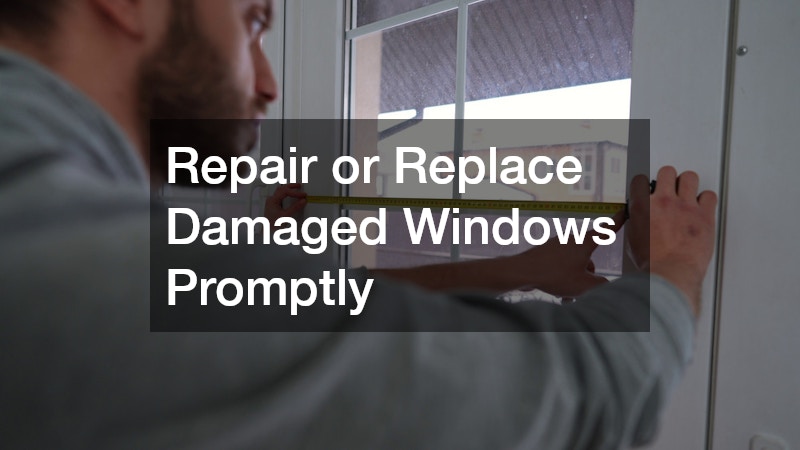
Windows are often among the most vulnerable parts of a home during a storm, and damage to them can create immediate safety and comfort issues. Cracked glass, broken seals, or shattered panes can allow water, wind, and debris to enter your home, leading to further damage if not addressed quickly.
Begin by inspecting all windows carefully, both inside and out. Look for visible cracks, gaps, or signs of moisture infiltration. If you find broken windows, use temporary coverings such as plywood or heavy-duty plastic to secure the openings until permanent repairs can be made.
In many cases, window replacement may be the best long-term solution, especially if the damage is extensive or the windows are older. Modern windows offer improved durability, energy efficiency, and resistance to future storms, making them a worthwhile investment.
Address Exterior Damage to Maintain Structural Integrity
The exterior of your home serves as its first line of defense against the elements, so any damage to it should be taken seriously. Siding, in particular, plays a key role in protecting your home from moisture and maintaining its structural integrity. Storms can cause cracks, dents, or sections of siding to become loose or detached.
After a storm, carefully inspect your home’s exterior for any signs of damage. Even small issues can allow water to penetrate behind the siding, leading to mold growth and structural deterioration over time. Pay attention to areas where siding meets windows, doors, and corners, as these are common points of weakness.
Working with professional siding contractors ensures that repairs are done properly and that your home remains protected. They can assess the extent of the damage, recommend appropriate solutions, and restore your home’s exterior to its original condition.
Protect Your Basement From Future Water Issues
Basements are particularly susceptible to water damage after heavy storms, as water can seep in through foundation cracks or accumulate due to poor drainage. If not addressed quickly, this moisture can lead to mold growth, structural damage, and unpleasant odors.
Start by removing any standing water and thoroughly drying the area using fans and dehumidifiers. It’s important to act quickly, as prolonged moisture exposure can cause significant damage to walls, flooring, and stored items. Check for signs of seepage such as damp spots, stains, or musty smells.
For long-term protection, consider investing in basement waterproofing solutions. These may include sealing foundation cracks, installing sump pumps, or improving your home’s drainage system. These measures help prevent future water intrusion and provide peace of mind during heavy rainfall.
Taking proactive steps to protect your basement not only safeguards your home but also reduces the risk of recurring damage. A dry and well-maintained basement contributes to a healthier living environment and adds to the overall resilience of your property.
Document Damage and Work With Your Insurance Company
Dealing with insurance after a storm can feel overwhelming, but proper documentation can make the process much smoother. Before beginning any repairs, take the time to thoroughly document all damage to your property. Capture clear photos and videos from multiple angles, including both exterior and interior areas.
Keep detailed records of all expenses related to cleanup and repairs, including receipts, invoices, and contractor estimates. This information will be essential when filing your claim and ensuring you receive the appropriate compensation.
When communicating with your insurance company, be proactive and organized. Provide all requested documentation promptly and keep a record of your conversations. Understanding your policy coverage can also help you navigate the process more effectively and avoid unexpected issues.
Building Back Stronger After Storm Damage
Recovering from storm damage is not just about fixing what’s broken—it’s about rebuilding in a way that makes your home stronger and more resilient. By addressing issues promptly, working with trusted professionals, and taking preventative measures, you can reduce the risk of future damage and protect your investment. While the process may take time, each step you take brings you closer to restoring your home and creating a safer, more secure environment for the future.