Key Takeaways
-
Always get at least three detailed written estimates from professional roofers.
-
Plan to spend $8,000–$20,000 for most standard asphalt shingle replacements.
-
Add 10–20% to your budget to cover hidden costs like decking repairs.
-
Explore financing options and insurance coverage early in the process.
-
Investing in quality materials and a skilled roofer ensures long-term savings and home value.
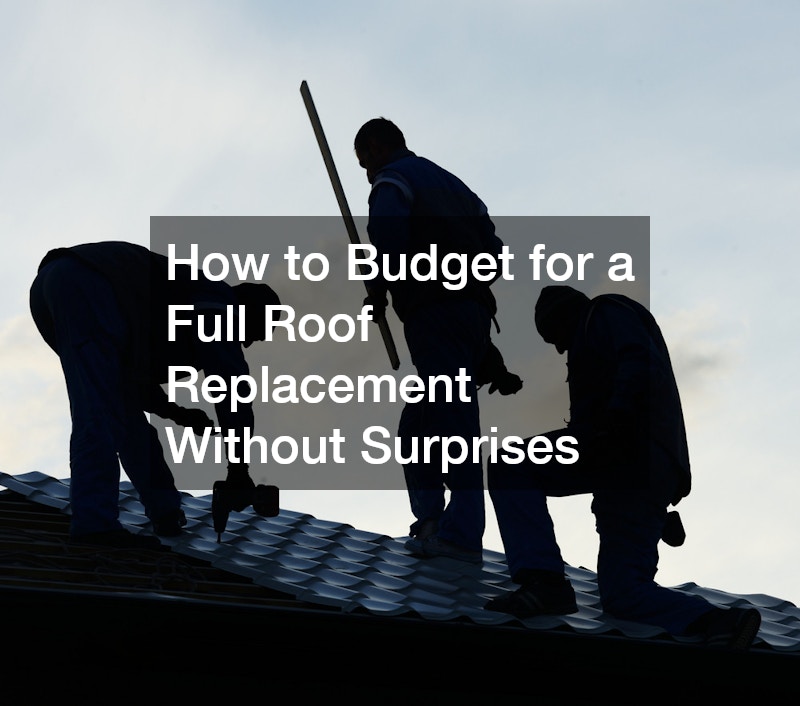
Replacing your roof is one of the most significant home improvement projects you’ll ever undertake. It’s not only about protecting your family and belongings from the elements—it’s also about maintaining energy efficiency, preventing costly interior damage, and boosting your home’s overall value. However, many homeowners underestimate what it takes to budget properly for a full roof replacement.
Unexpected expenses, hidden fees, and financing challenges can quickly turn a manageable project into a financial headache. The key is to plan strategically, get accurate information, and work with the right roofer who can provide transparency from start to finish.
This guide will give you a comprehensive look at the costs involved in a roof replacement, the hidden expenses many homeowners overlook, financing strategies, and long-term savings benefits. By the end, you’ll have the tools to budget confidently and avoid unpleasant surprises.
Understanding the Average Cost of a Full Roof Replacement
The cost of a new roof varies considerably based on region, material, and the roofing company you hire. On average, homeowners in most areas can expect:
-
Standard asphalt shingle roof: $8,000–$20,000 for a mid-sized single-family home.
-
Metal roofing systems: $15,000–$30,000 depending on style and coating.
-
Clay tile or slate roofs: $30,000–$50,000 or more due to weight and specialized labor.
What drives these costs?
-
Roof size and slope – A 1,500-square-foot ranch will cost significantly less than a 3,500-square-foot two-story home. Steeper slopes require additional safety equipment and labor hours.
-
Material choice – Asphalt shingles are cost-effective, while tile or slate requires highly skilled roofers and specialized installation methods.
-
Local labor market – Hiring a roofer in a major city often costs more than working with a local roofer in a smaller town. Post-storm demand can also inflate prices.
-
Complexity of the design – Roofs with dormers, skylights, valleys, or multiple chimneys require more labor and precision.
By consulting with several roofing contractors and comparing their detailed bids, you’ll gain a realistic picture of what your project should cost.
Breaking Down the Core Expenses
A professional roofer should always provide a transparent, itemized estimate. Understanding what each category covers prevents confusion later.
-
Materials
-
Asphalt shingles: $100–$150 per roofing square (100 square feet).
-
Metal panels: $300–$900 per square depending on style and finish.
-
Clay or slate tiles: $600–$1,500 per square, plus reinforced decking due to weight.
-
Accessories: underlayment, ice-and-water shield, flashing, fasteners, and sealants are typically not included in “shingle-only” prices.
-
-
Labor
-
Accounts for 40–50% of the project.
-
Professional roofers charge more for steep pitches, multi-story access, or high-risk conditions.
-
Experienced roofers may complete a project faster, reducing labor hours and minimizing disruption.
-
-
Tear-off and disposal
-
Removing an old roof requires labor, dumpsters, and landfill fees.
-
Expect $500–$1,500 depending on roof size and material type.
-
-
Permits and inspections
-
Most municipalities require roofing permits ranging from $150–$500.
-
Additional inspections may be needed for structural modifications or code compliance.
-
A licensed roofer who explains these categories clearly helps you avoid vague pricing and hidden fees.
Hidden Costs Homeowners Often Overlook
Even the most thorough estimate can’t predict every discovery once a roof is removed. A certified roofer knows to warn homeowners about potential surprises:
-
Structural repairs
-
Damaged decking, sagging rafters, or rot often remain hidden until shingles are stripped.
-
Repair costs range from $1,000–$3,000, depending on severity.
-
-
Ventilation upgrades
-
Adding ridge vents, soffit vents, or attic fans ensures your new roof lasts its full lifespan.
-
Costs can range from $500–$2,000.
-
-
Roof complexity adjustments
-
Homes with skylights, multiple chimneys, or intricate valleys require additional flashing and sealing.
-
These features may add several hundred dollars each.
-
-
Weather-related delays
-
Rain or storms may halt installation, adding labor hours if the crew must return later.
-
Some roofers charge extra for extended project timelines.
-
-
Cleanup and landscaping repair
-
Heavy equipment or dumpsters can damage lawns or driveways.
-
Professional roofers often include cleanup, but budget for potential touch-ups.
-
The safest way to prepare is to add a 10–20% contingency buffer to your overall budget. This ensures unexpected costs don’t derail the project.
How to Get Accurate Roofing Estimates
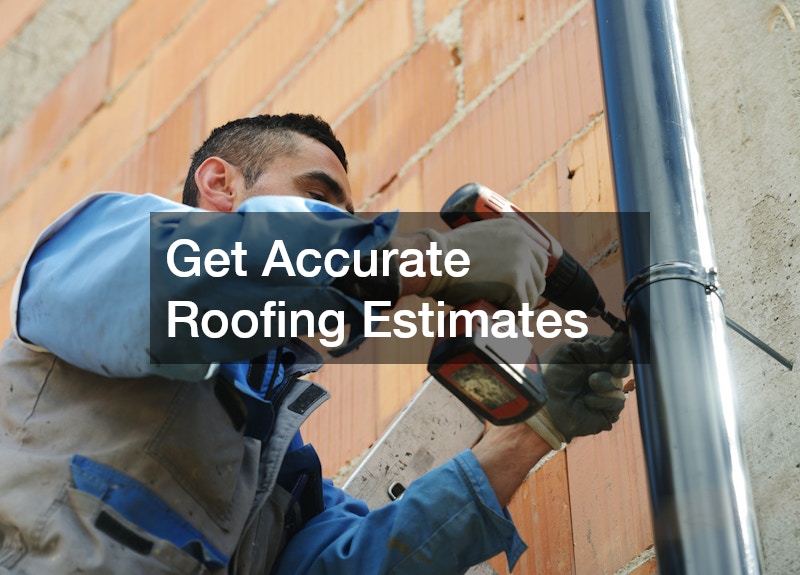
Not all roofing quotes are created equal. To protect your budget, you need clarity and accountability. When interviewing roofers, keep these strategies in mind:
-
Request written, line-item estimates covering materials, labor, permits, and disposal.
-
Ask for proof of insurance and licensing to avoid liability if accidents occur.
-
Check references and reviews to confirm the roofer’s reputation for honesty and quality.
-
Look for detailed warranties that cover both workmanship and manufacturer materials.
-
Beware of vague or unusually low bids, which may hide shortcuts, low-quality materials, or unexpected add-on costs later.
Hiring a local roofer with established roots in your community can also give you peace of mind, as they are more likely to stand by their work.
Financing Options for a Full Roof Replacement
A full roof replacement is a major investment, and few homeowners can pay entirely out of pocket. Reputable roofing contractors often help clients explore financing solutions:
-
Paying cash
-
Avoids interest charges and debt.
-
Best for homeowners with emergency savings or planned roof replacement funds.
-
-
Home equity loans or HELOCs
-
Often offer lower interest rates than personal loans.
-
Use the equity in your home as collateral, which may also qualify for tax benefits.
-
Risk: missed payments can put your home at risk.
-
-
Roofing contractor financing programs
-
Many professional roofers partner with third-party lenders.
-
Convenient application process, though interest rates may vary widely.
-
-
Personal loans or credit cards
-
Quick access to funds, but higher interest rates make these better for short-term use.
-
-
Insurance coverage
-
Storm, hail, or fire damage may be covered under homeowner’s insurance.
-
Work with a roofer experienced in insurance claims to maximize coverage and minimize out-of-pocket costs.
-
Discuss financing early so you know what options align with your budget and financial comfort level.
Strategies to Save Money Without Sacrificing Quality
Smart budgeting doesn’t always mean cutting corners. Instead, it’s about making informed choices with the help of an experienced roofer:
-
Choose materials wisely
-
Asphalt shingles are affordable and durable for most climates.
-
Metal roofing costs more upfront but lasts 40–70 years, saving money over time.
-
Discuss lifespan and maintenance requirements with your roofer before deciding.
-
-
Schedule strategically
-
Off-season roofing (late fall or early spring) may secure lower labor rates.
-
Roofers often provide discounts during slower months.
-
-
Bundle services
-
Ask your roofer if combining gutter replacement, skylight upgrades, or attic insulation can reduce overall project costs.
-
-
Seek out rebates or credits
-
Energy-efficient shingles or solar-ready roofing systems may qualify for tax incentives or utility company rebates.
-
-
Avoid unlicensed roofers
-
While cheaper, they often skip permits, use inferior materials, and leave homeowners vulnerable to future costs.
-
The right licensed roofer will explain where you can cut costs safely and where quality should never be compromised.
Long-Term Savings of a Properly Planned Roof Replacement
A full roof replacement is not just a cost—it’s an investment in your home’s future. Working with a skilled roofer ensures that investment pays dividends:
-
Reduced emergency repairs
-
A high-quality installation minimizes leaks, mold issues, and costly interior damage.
-
-
Improved energy efficiency
-
Proper ventilation, reflective shingles, and insulation upgrades lower heating and cooling costs.
-
Some homeowners see a 10–15% reduction in energy bills.
-
-
Extended roof lifespan
-
Certified roofers follow manufacturer guidelines, ensuring your roof lasts as long as advertised.
-
-
Boosted home value
-
A new roof improves curb appeal and reassures potential buyers.
-
Many homeowners recoup 60–70% of the replacement cost when selling.
-
Thinking in terms of lifetime value rather than just upfront cost will help you appreciate the financial benefits of a new roof.
Creating a Realistic Roof Replacement Budget
A realistic budget combines accurate estimates, contingency planning, and financing. Here’s a step-by-step method:
-
Schedule a professional roof inspection to assess current condition.
-
Collect at least three written estimates from licensed roofers.
-
Account for hidden costs by setting aside an extra 10–20% of the total.
-
Evaluate financing or insurance coverage early in the planning stage.
-
Choose timing strategically to maximize potential labor savings.
-
Document expenses in a spreadsheet or budgeting app to avoid overspending.
Example breakdown for a 2,000-square-foot home with asphalt shingles:
-
Materials: $6,500
-
Labor: $7,500
-
Tear-off and disposal: $1,200
-
Permits/inspections: $300
-
Contingency (15%): $2,300
-
Total estimated budget: $17,800
An experienced roofer can help refine these numbers for your specific home and materials.
Common Budgeting Mistakes to Avoid
Even careful homeowners make errors when planning roof replacements. Learn from these common missteps:
-
Accepting the lowest bid without checking for licensing, insurance, or references.
-
Ignoring the importance of warranties when choosing a roofing contractor.
-
Forgetting to factor in ventilation or insulation upgrades.
-
Overestimating how much insurance will cover.
-
Not reserving extra funds for unexpected structural repairs.
Working with a trustworthy local roofer minimizes these risks and provides peace of mind.
Budgeting for a full roof replacement requires more than estimating the cost of shingles. It’s about anticipating hidden expenses, selecting the right materials, working with a certified roofer, and planning for long-term value. By preparing carefully and partnering with an experienced roofing contractor, you can manage your investment confidently and avoid unwelcome surprises.