The roof is the silent guardian of the domestic realm. For most homeowners, it remains an abstraction—a structural necessity that exists high above the daily flow of life—until the inevitable moment when the elements find a way inside. Whether it is a dark blossom of moisture on the living room ceiling or the rhythmic drip of a leak during a spring thaw, roofing issues demand immediate and informed attention. The dilemma that follows is almost always the same: do you invest in a targeted intervention to extend the current system’s life, or do you commit to a total overhaul?
This decision is not merely a matter of checking a bank balance. It involves a sophisticated analysis of architectural physics, material science, and long-term financial planning. To navigate this process, one must understand the lifecycle of various roofing systems, the warning signs of structural fatigue, and the logistical hurdles of major home improvement projects.
Evaluating Surface Damage and Structural Integrity
The first step in any roofing journey is an honest assessment of the current state of the system. This requires more than a casual glance from the driveway. A professional inspection should look for both “active” failures, such as leaks, and “passive” failures, such as material degradation that hasn’t yet resulted in a breach.
When assessing a pitched roof, the condition of the shingles is the most obvious indicator of health. If you notice curling edges, bald spots where protective granules have washed away, or cracked tabs, the protective layer of your home is thinning. However, surface issues are often symptoms of deeper problems. A roof that feels “spongy” underfoot during an inspection suggests that the wooden decking beneath the shingles has been compromised by moisture, leading to rot that can threaten the safety of the entire household.
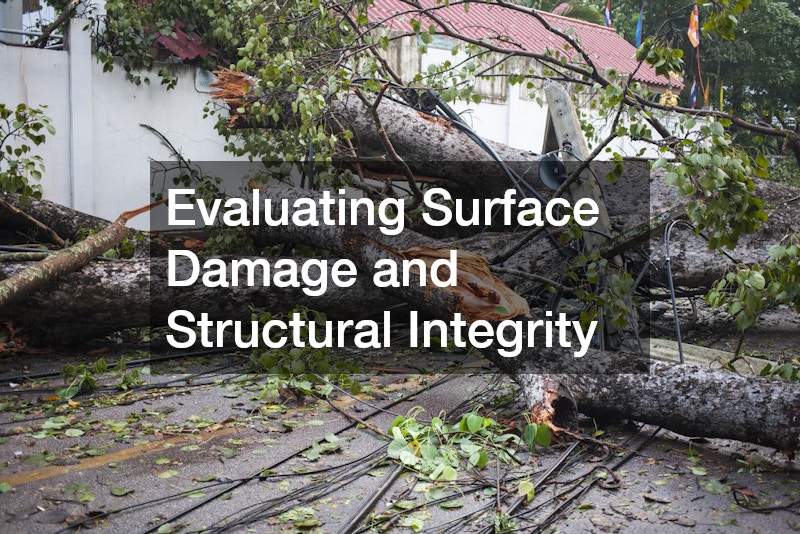
If the issues are caught early enough, a localized roof repair can effectively reset the clock on a specific problem area. This is particularly true for damage caused by isolated incidents, such as a fallen tree limb or a freak hail storm that targeted one specific slope. By replacing only the damaged sections, a homeowner can avoid the massive overhead of a full replacement while maintaining the envelope of the building.
However, the age of the structure is the ultimate arbiter of value. If your asphalt shingles are approaching twenty years of age, minor fixes become increasingly inefficient. At this stage, most local roofers will advise that the cost of repeated patching will soon exceed the cost of a new roof. Older shingles become brittle, making it difficult to install new patches without damaging the surrounding aged material, creating a cycle of endless maintenance.
The Critical Role of Transitions and Penetrations
A roof is rarely a single, unbroken plane. It is a complex geometry of intersections, valleys, and protrusions. Statistics show that the vast majority of leaks do not occur in the field of the roof but rather at the “penetrations”—anywhere the roof is pierced by a pipe, a chimney, or a skylight. These areas rely on flashing, usually made of galvanized steel, aluminum, or copper, to redirect water away from the gap and onto the shingles.
The chimney is perhaps the most vulnerable point on any roofline. Because a chimney is a heavy masonry structure that often settles at a different rate than the wooden frame of the house, the seal between the two is constantly under tension. Over time, the mortar can crack, and the metal flashing can pull away, creating a direct channel for rainwater to enter the attic.
Homeowners who notice dampness around their fireplace should seek out professional chimney services to inspect the integrity of the lead or copper counter-flashing. These specialists can determine if the leak is a roofing issue or a masonry problem, such as porous bricks absorbing water or a cracked chimney crown allowing water to seep down the internal flue.
In complex architectural designs where multiple roof planes meet at awkward angles, standard flashing kits often fall short. These unique “dead valleys” or steep transitions require a level of precision that goes beyond standard shingle installation. In these scenarios, a contractor skilled in metal fabrication is often brought in to create custom-fit components that provide a seamless, watertight barrier tailored to the dimensions of your home. Some common transition failure points are:
- Step flashing along the sidewalls where the roof meets a second story.
- Boot seals around PVC vent pipes that have cracked due to UV exposure.
- Valley liners that have become clogged with debris, causing water to back up under the shingles.
- Drip edges that were improperly installed, allowing water to wick back toward the fascia boards.
Material Selection and the Longevity Factor

The material currently protecting your home dictates the rules of engagement. While asphalt is the most common choice in North America due to its cost-effectiveness, premium materials require a different philosophy of care. Understanding the chemical and physical properties of your roof can save you thousands of dollars in unnecessary replacement costs.
A slate roof is often referred to as a “forever roof” because the natural stone tiles are virtually impervious to the elements. These systems are designed to last well over a century. If a slate roof is leaking, it is rarely because the stone has failed; usually, it is because the copper nails have corroded or the underlying felt has reached the end of its life. In these cases, meticulous restoration is the standard, as the value of the stone tiles makes a full replacement with a different material a poor financial move.
On the other hand, heavy materials like slate or clay tile place an immense amount of pressure on the home’s framing. If a home was not originally engineered for that weight, or if the rafters have weakened over time, a total roof replacement might be the only way to alleviate structural stress. Modern synthetic shingles can mimic the look of slate while weighing a fraction of the amount, providing a solution that protects both the interior and the skeleton of the building.
The divergence in material longevity creates a spectrum of maintenance needs that every homeowner should understand. Standard asphalt shingles generally offer a fifteen to twenty-five year service life, failing primarily through UV degradation and the loss of protective granules. In contrast, architectural metal roofing can remain functional for seventy years, though it requires periodic checks to ensure fasteners remain tight. Concrete and clay tiles offer a middle ground, lasting up to fifty years, though their weight and tendency to fade in high-sun environments require specific structural considerations. Ultimately, the choice of material influences not just the immediate aesthetic but the very timeline of your home’s maintenance requirements for the next several generations.
Navigating the Logistics of a Major Project
When the diagnosis is final and a replacement is scheduled, the homeowner’s role shifts from evaluator to project manager. A roof replacement is one of the most invasive home improvements possible. For several days, your home will essentially be an open-air construction site, with hundreds of pounds of old material being stripped away and discarded.
The sheer volume of waste generated by a residential tear-off is staggering. A typical 2,000-square-foot roof can produce several tons of debris, including old shingles, underlayment, and thousands of rusted nails. To keep the site safe and the landscaping intact, a professional contractor should coordinate a dumpster rental that is placed strategically on the property. This ensures that the old roof moves directly from the rafters to the container, minimizing the risk of nails ending up in your tires or garden.
Choosing the right team to execute this labor-intensive process is the most important decision you will make. You are not just paying for shingles; you are paying for the technical skill of the installation and the liability protection of the company. It is vital to vet your roofing contractors by checking their local reputation, their standing with the Better Business Bureau, and their specific experience with your home’s architectural style.
- Pre-Construction Checklist for Homeowners:
- Move vehicles out of the driveway and away from the house.
- Cover sensitive items in the attic with plastic sheets to catch falling dust.
- Remove wall decorations or mirrors that might be vibrated loose during the hammering.
- Warn neighbors about the noise and the presence of work crews.
Specialized Care for Low-Slope and Modern Designs

Not all residential architecture follows the traditional peaked silhouette. Many modern homes, as well as additions like sunrooms or garages, utilize flat or low-slope roofing. These systems operate on an entirely different set of physical principles compared to high-pitched gables. Instead of relying on gravity and the overlapping “shingle effect” to shed water, flat roofs must function as a monolithic, completely watertight vessel. Because these surfaces often deal with “ponding” water—where moisture sits for 48 hours or more—the materials must be impervious to hydrostatic pressure.
The engineering of these surfaces requires a specialized skill set that deviates significantly from standard residential carpentry. A general roofing crew might be excellent at shingling a 4/12 pitch, but they may lack the equipment or specialized training required to handle heat-welded seams or liquid-applied reinforced membranes. For these structures, you should consult a dedicated flat roofing company. These specialists focus on high-performance systems like TPO (Thermoplastic Polyolefin) or PVC. These white-colored membranes are designed to reflect UV radiation and heat, which prevents the building from absorbing thermal energy and provides a seamless, chemically or thermally fused barrier against moisture.
One of the most durable and time-tested options for low-slope applications is EPDM, a synthetic rubber membrane known for its incredible resilience against hail and extreme temperature fluctuations. However, even the toughest materials require a consistent schedule of rubber roof maintenance to remain effective over several decades. Because EPDM is often installed using high-strength adhesives rather than heat-welding, the seams are the primary point of vulnerability.
Over time, the adhesive at the seams can dry out due to environmental stress, or the membrane can experience a phenomenon known as “bridging.” This occurs when the rubber pulls away from the corners or transitions due to thermal expansion and contraction, creating a tent-like gap that is easily punctured. Regular professional inspections can identify these small physical shifts or “alligatoring” of the surface before they allow water to seep into the insulation board below, which would otherwise lead to a costly “wet-deck” scenario requiring a total tear-off.
Financial Considerations and Long-Term Value

The final hurdle in deciding the future of your roof is the budget. It is tempting to choose the cheapest bid or the quickest patch, but roofing is a classic example of the “buy once, cry once” philosophy. A cheap roof installed poorly will likely fail in half its expected lifespan, costing you significantly more in the long run.
A full replacement should be viewed as a capital improvement rather than a mere repair. Most modern roofing systems come with robust warranties—some spanning 50 years—that can be transferred to a new owner if you sell the house. This adds a tangible dollar value to your property. Buyers are often wary of homes with aging roofs; having a documented, professionally installed system can be the difference between a quick sale and a long, drawn-out negotiation.
When evaluating a contract, ensure it includes high-quality components beyond just the shingles. This includes ice and water shields in the valleys, ridge vents for proper attic ventilation, and high-quality synthetic underlayment. These “hidden” features are what truly determine how long the system will last in the face of extreme weather.
Whether you are dealing with a historic home that requires delicate preservation or a modern structure that needs a high-tech membrane, the key is to act before the damage becomes structural. By understanding the nuances of material lifespans and the importance of professional logistics, you can transition from reactive repairs to a proactive strategy that ensures your home remains a dry, safe sanctuary for decades to come. Moving forward with a clear plan allows you to invest your resources wisely, turning a potential disaster into an opportunity to enhance your home’s resilience and aesthetic appeal.