
Homeownership often comes with the desire to transform an existing property into a personalized sanctuary while building long-term equity. A comprehensive property overhaul requires a delicate balance between personal taste, structural necessity, and financial strategy. While television shows make major overhauls look simple and quick, actual residential work demands careful planning, realistic budgeting, and proper project sequencing. Homeowners who approach major updates with a structured financial mindset usually achieve better results than those who make impulsive design choices without considering resale impact. Understanding cost breakdowns and expected returns on investment allows property owners to make decisions that pay off when it comes time to sell. Engaging a reputable home remodeling service helps property owners navigate structural requirements, permitting processes, and realistic timeline estimations. A whole-home project typically costs anywhere from forty to one hundred and fifty dollars per square foot, depending on the quality of finishes, labor rates in the region, and the age of the structure. Older homes frequently hide electrical, plumbing, or framing issues behind plaster walls, requiring contingency reserves of fifteen to twenty percent. By evaluating return on investment for each room, families can prioritize tasks that deliver both immediate lifestyle improvements and long-term financial equity.
The Financial Landscape of Property Overhauls
To maximize equity, property owners must analyze how money flows through different phases of a structural overhaul. High-impact areas like kitchens and primary bathrooms consistently yield the highest return on investment, often recovering sixty to eighty percent of their costs upon resale. Conversely, purely aesthetic changes without underlying structural or system improvements may not move the appraisal needle as significantly. A well-designed overhaul roadmap splits the budget across distinct priority tiers: critical infrastructure, major living zones, secondary spaces, and finishing details. Critical infrastructure includes roofing, electrical panels, plumbing lines, and heating or cooling systems. While these updates do not always offer dramatic visual excitement, ignoring them can sink a property’s market value instantly during a pre-sale inspection. Once core mechanics are sound, capital flows into major living spaces. High-end kitchen renovations tend to yield substantial appraisal gains because modern buyers view the kitchen as the central hub of daily social life. Spending sixty thousand dollars on a major kitchen overhaul might increase home value by forty thousand dollars while providing immediate functional benefits. Calculating return on investment involves analyzing localized real estate trends, neighborhood price ceilings, and historical sales data. Over-improving a house beyond neighborhood standards usually results in diminishing returns.
Engineering Value in Modern Kitchen Design
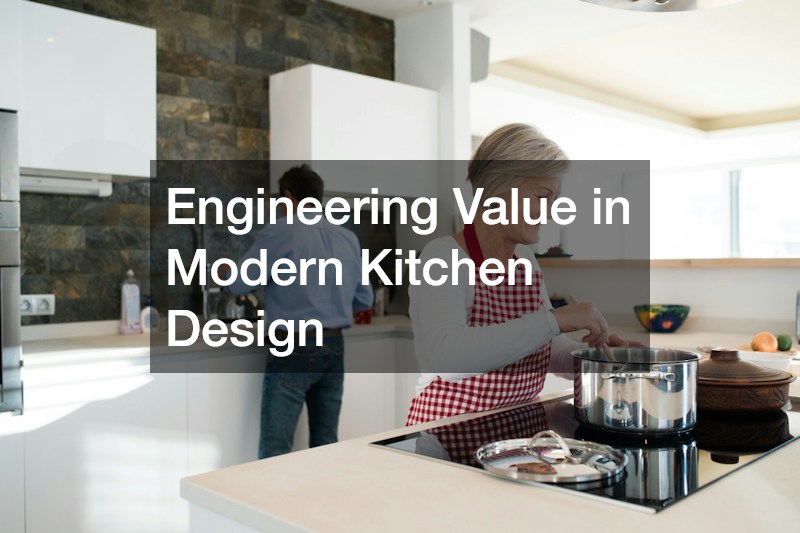
The kitchen remains the undisputed centerpiece of residential equity creation. When buyers tour a house, the kitchen creates the strongest lasting impression, making it the most critical space for smart financial allocation. Achieving a strong return requires selecting durable materials that appeal to modern cosmetic preferences without pricing the home out of its immediate neighborhood bracket. High-grade cabinetry, energy-efficient appliances, durable flooring, and resilient workspace surfaces form the backbone of a successful kitchen project. Worktops bear the brunt of daily meal preparation, spill exposure, and thermal impact, making material choice vital for long-term durability. Installing quartz countertops gives homeowners an ideal combination of non-porous durability, stain resistance, and sleek contemporary aesthetics that appeal to prospective buyers. Unlike granite or marble, engineered stone surfaces require no routine sealing, making them a low-maintenance feature that holds up under heavy household use. When combined with updated plumbing fixtures, under-cabinet lighting, and modern tiled backsplashes, these surface upgrades produce a high visual impact relative to their overall installation cost. Smart layout improvements, such as replacing restrictive peninsulas with expansive central islands, further increase usable square footage and promote open-concept living.
Maximizing Bathroom Equity and Vendor Selection
Bathrooms follow close behind kitchens in terms of average value generation per square foot. However, bathroom projects carry unique technical challenges due to moisture management, waterproofing standards, and complex plumbing layouts. A minor bath refresh can yield upwards of seventy percent return on investment, whereas full structural layout alterations require larger financial commitments that take longer to recoup. Hiring qualified local bathroom remodeling contractors ensures that plumbing updates meet local building codes and that underlying water barriers prevent costly hidden moisture damage. Professional tradespeople help manage plumbing stack adjustments, electrical safety upgrades, and ventilation sizing to protect the home structure from trapped humidity. Modern buyers prioritize clean line aesthetics, adequate storage options, efficient fixtures, and water-conserving toilets. When upgrading secondary or hallway bathrooms, focus on durable, classic materials like white subway tile, neutral porcelain floor tiles, and brushed nickel hardware. These choices appeal to a broad buyer pool without forcing future owners to undertake immediate remodeling work. Proper ventilation planning is equally critical; installing quiet, high-volume exhaust fans prevents mold growth and preserves paint, drywall, and cabinetry.
Cabinetry and Storage Optimization Strategies

Storage capacity drives buyer interest across all residential property categories. Cluttered closets, inadequate vanities, and cramped pantry spaces actively detract from a home’s functional square footage and reduce its market appeal. In bathroom spaces, vanity selection determines cosmetic organization. Partnering with a specialized bathroom cabinet company allows homeowners to source customized storage units that fit awkward alcoves, maximize floor space, and offer integrated electrical outlets for grooming tools. Solid wood construction, soft-close hardware, and moisture-resistant finishes protect the investment against humidity and daily wear. Floating vanities have grown in popularity for small bathrooms because they expose more floor area, creating an optical illusion of greater space while keeping cleaning simple. In larger primary suites, double-sink vanities with deep drawer dividers and tower storage offer maximum utility for busy couples. Strategic vanity choices also allow for seamless plumbing integration, reducing the need for custom pipe rerouting. Beyond bathrooms, built-in storage solutions in mudrooms, laundry facilities, and hallway linen closets enhance overall marketability by presenting an organized, highly functional living environment.
Enclosure Choices and High-End Bath Aesthetics
To transform standard bathrooms into luxury primary suites, structural glass enclosures have become an industry standard. Replacing outdated framed shower enclosures or plastic shower curtains instantly elevates a bathroom’s architectural aesthetic. The installation of custom glass shower doors eliminates visual barriers, making small spaces feel larger and allowing detailed tilework to showcase clearly. Frameless heavy glass panels create a spa-like atmosphere that modern buyers frequently look for when touring homes in upper price brackets. Beyond visual elegance, thick tempered glass units are exceptionally durable and easy to maintain when treated with hydrophobic surface coatings that repel soap scum and mineral deposits. While custom glass work requires precise measurement and professional installation, the return on investment manifests in faster home sales and higher overall appraisal values. Pair frameless glass enclosures with zero-threshold curbless entryways, linear floor drains, and rain showerheads to create a modern, accessible bathroom design. These thoughtful touches elevate everyday comfort while positioning the home favorably against competing neighborhood properties.
Building Envelope Upgrades and Energy Return
While interior cosmetic updates capture buyer attention instantly, exterior building envelope improvements provide essential energy efficiency and long-term structural defense. Windows represent one of the primary sources of energy loss in residential properties, directly impacting monthly utility costs and indoor temperature consistency. Investing in a comprehensive window replacement project yields double-digit energy savings while returning approximately sixty-eight to seventy-two percent of the project cost during a resale. Modern vinyl, composite, or fiberglass window frames equipped with double or triple-pane Low-E glass block ultraviolet rays, reduce external street noise, and lower HVAC workload. Beyond energy efficiency, crisp new window frames elevate curb appeal and send a strong signal to prospective buyers that the home has been meticulously maintained. When planning window updates, homeowners should consider regional climate factors, solar heat gain coefficients, and proper flashing methods to avoid rain intrusion around window openings. Replacing drafty single-pane units removes a major buyer objection during home inspections and streamlines pre-sale contract negotiations.
Flooring Solutions and Surface Upgrades
Flooring connects every room in the house, establishing tone, color flow, and textural warmth throughout the floor plan. Replacing worn, stained, or dated floor coverings provides one of the highest visual returns relative to project expense. In living rooms, hallways, and bedrooms, floor choices must balance comfort, acoustics, and durability. While hardwood and luxury vinyl plank dominate common living areas, carpet remains a favored option for quiet, comfortable bedrooms. Hiring a skilled carpet installer ensures proper seam stretching, pad density selection, and tight wall tucking, preventing premature rippling or wear patterns over time. Choosing stain-resistant synthetic fibers or natural wool provides long-lasting comfort underfoot while muffling noise between living levels. High-traffic areas require dense pile constructions that withstand daily foot friction without crushing. Quality underlayment also plays a key role, insulating against cold subfloors and dampening impact sounds. Proper flooring execution creates a seamless transition between rooms, unifying diverse interior architectural elements.
Maintaining Soft Surfaces for Maximum Longevity

Not every floor surface needs complete replacement to prepare a home for market or maintain its aesthetic value. For existing carpets that remain structurally sound but display light foot traffic markings or minor discoloration, professional carpet cleaning restores pile texture and removes embedded allergens at a fraction of full replacement costs. Deep hot-water extraction techniques extract deeply embedded soil, pet dander, and stubborn spills that standard vacuuming cannot reach. Maintaining existing soft surfaces through routine professional care preserves carpet longevity, delays costly replacements, and improves overall indoor air quality. Clean, fresh-smelling carpets make a powerful positive impression on potential buyers during open houses and home tours. Furthermore, routine maintenance preserves warranty coverage on major carpet brands, ensuring long-term value retention. Combining targeted surface care with strategic floor replacements allows homeowners to stretch their overall renovation budget while ensuring every room looks refreshed.
Paint Selection and Surface Refinements
No single cosmetic update yields a higher return on investment than a fresh coat of high-quality interior paint. Painting offers an estimated return of over one hundred percent, making it the single most cost-effective project in whole-home remodeling. Freshly painted walls hide small drywall imperfections, brighten dim rooms, and eliminate lingering household odors. However, achieving crisp trim lines, uniform coverage, and proper surface priming requires technical skill and patient surface preparation. Working with an experienced interior painting contractor guarantees that wall surfaces are properly patched, sanded, primed, and coated using durable low-VOC paints. Professional painters understand how light reflects across different sheens, recommending matte or eggshell finishes for living room walls, satin or semi-gloss for moisture-prone bathrooms, and high-gloss for trim work and doors. Choosing modern neutral color palettes, such as warm grays, soft off-whites, and subtle greiges, allows potential buyers to envision their own furniture in the space. A clean, cohesive paint scheme ties disparate rooms together, creating a unified architectural story.
Managing Project Timelines and Contingency Funds
A whole-home project involves managing overlapping schedules, material deliveries, and specialty trade professionals. Delays in one area can easily cascade into subsequent phases, extending overall construction timelines and increasing labor overhead. Establishing a realistic construction schedule requires mapping out structural, mechanical, and cosmetic tasks in proper chronological sequence. Heavy structural demolition, electrical rewiring, and plumbing rough-ins must finish before insulation, drywall, and surface finishes begin. Supply chain lead times for custom items like cabinets, windows, and specialty tiles must be factored into project milestones early. Maintaining open communication with trade managers helps address unexpected field conditions quickly. Equally vital is the financial safety net. Setting aside a contingency budget of fifteen to twenty percent ensures that unforeseen repair needs, such as hidden water damage or non-compliant wiring, do not freeze ongoing construction. Managing time and capital with discipline keeps whole-home endeavors running smoothly.
Strategic Decision-Making for Resale Success
Executing a successful whole-home renovation requires detailed financial planning, reliable trade professionals, and strategic design selection. Property owners who focus on high-yield zones like kitchens and bathrooms, maintain energy-efficient building envelopes, and apply fresh cosmetic finishes build substantial long-term equity. Balancing personal comfort with market resale realities keeps projects on budget and protects property investments over time. By prioritizing infrastructure first, selecting timeless materials over fleeting design trends, and budgeting a solid contingency fund, homeowners turn major remodeling endeavors into rewarding financial assets. Ultimately, a well-planned home renovation enhances daily quality of life while securing maximum equity.