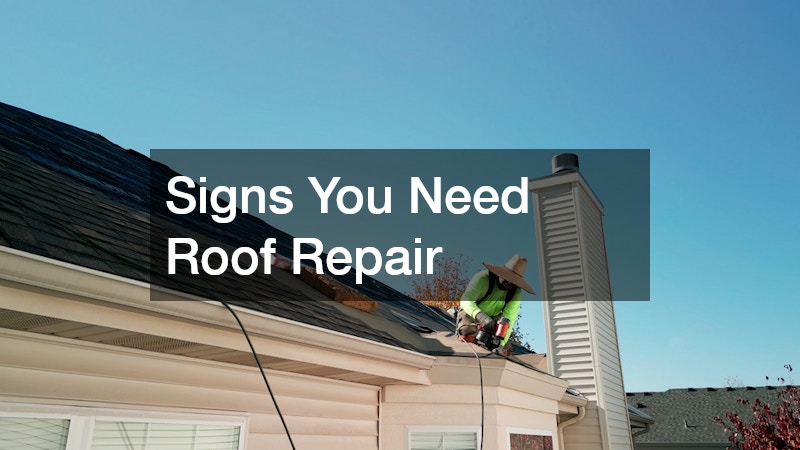
A healthy roofing system serves as the primary barrier protecting your home from severe weather, moisture, and temperature fluctuations. One of the most obvious indicators that your system requires attention is the presence of missing, cracked, or curling shingles. Over time, exposure to intense sunlight, heavy wind, and rain causes asphalt shingles to lose their structural integrity. When individual shingles begin to lift, break, or blow away entirely, they leave the underlying wooden deck exposed to the elements. Addressing these early warning signs promptly with targeted roof repairs can prevent minor surface wear from escalating into extensive structural damage throughout your property.
In addition to physical breakage, pay close attention to the overall texture of your shingles. Aging asphalt shingles frequently lose their protective surface granules, which often accumulate in your gutters and downspouts.
When shingles lose this granular layer, they become increasingly brittle and vulnerable to cracking under high heat or extreme cold. Left unaddressed, bare shingles will allow water to penetrate beneath the surface layer, eventually reaching the underlayment and interior framing. Scheduling timely roof repairs when you first notice granule loss or warped shingles ensures your roof retains its water resistance and structural strength for years to come.
Water Stains on Ceilings and Interior Walls
Interior water damage is a definitive sign that moisture has penetrated your roofing system and found its way inside your living space. These issues often manifest as discolored patches, yellowing rings, or dark brown spots on top-floor ceilings and upper walls. Even a small, barely noticeable water mark can signal an ongoing leak above the drywall. Because water naturally travels along rafters, joists, and electrical conduits before dripping down, the source of the leak may be located several feet away from where the stain appears. Taking fast action to arrange professional roof repairs helps locate the entry point before hidden moisture causes extensive damage to insulation, framing, and drywall.
Ignoring indoor water marks can lead to widespread damage and secondary complications, including toxic mold growth and compromised structural integrity. Moisture trapped within ceiling cavities creates an ideal environment for mildew and wood rot, both of which degrade building materials rapidly. Furthermore, water accumulating near electrical wiring poses serious safety hazards. If you notice sagging drywall, peeling paint, or damp spots following a storm, it is crucial to request roof repairs immediately to seal the leak path, dry out the interior structure, and safeguard your home’s living environment.
Damaged Flashing Around Chimneys and Vents
Flashing consists of thin metal strips installed around roof transitions, valleys, skylights, and chimneys to redirect water away from critical seams. Because these areas represent inherent gaps in the shingle coverage, intact flashing is essential for maintaining a watertight seal. Over time, thermal expansion, severe storms, and deteriorating sealant can cause metal flashing to bend, rust, or pull away from surrounding surfaces. When flashing degrades, water easily seeps behind the metal and directly into the underlying roof deck, causing concealed decay.
Inspecting flashing regularly is a vital aspect of routine home maintenance. If you notice loose metal joints, dried-out caulk, or visible rust around roof penetrations, prompt roof repairs are necessary to restore the protective seal. Roofing professionals can replace damaged metal sections, re-seal joints with high-grade elastomeric compounds, and ensure that water flows smoothly off the surface without infiltrating the underlying structure. Restoring these high-risk areas quickly helps extend the lifespan of your overall roofing system.
Sagging Rooflines and Structural Dip
A noticeably sagging roofline is a clear indication of advanced moisture intrusion and compromised structural support. Roofs are designed to maintain sharp, straight ridge lines and flat planes across all slopes. If you observe a visible dip, curve, or bow along the peak or within the main planes of your roof, the internal framing materials have likely absorbed significant water over time. Prolonged moisture exposure softens wooden rafters, trusses, and decking, causing them to bend under the weight of the roofing materials and accumulated debris.
Addressing a sagging structure requires immediate professional evaluation and structural roof repairs to prevent potential collapse. A qualified contractor can identify whether the issue stems from saturated decking, broken trusses, or improper weight distribution. Remediating structural weakness early involves removing damaged materials, reinforcing internal supports, and re-sealing the exterior shell. Taking action at the first sign of sagging protects the structural safety of your home and prevents far more complex structural overhauls down the road.
Unexplained Increases in Energy Bills
An unexpected spike in your monthly heating or cooling costs can often be traced back to poor roof performance and compromised attic ventilation. A functional roof works alongside your home’s insulation and ventilation systems to regulate interior temperatures. When shingles warp, underlayment fails, or attic vents become blocked or damaged, warm air escapes during the winter and excess heat builds up during the summer. This loss of thermal control forces your HVAC system to run continuously to maintain a comfortable indoor environment, driving up energy consumption.
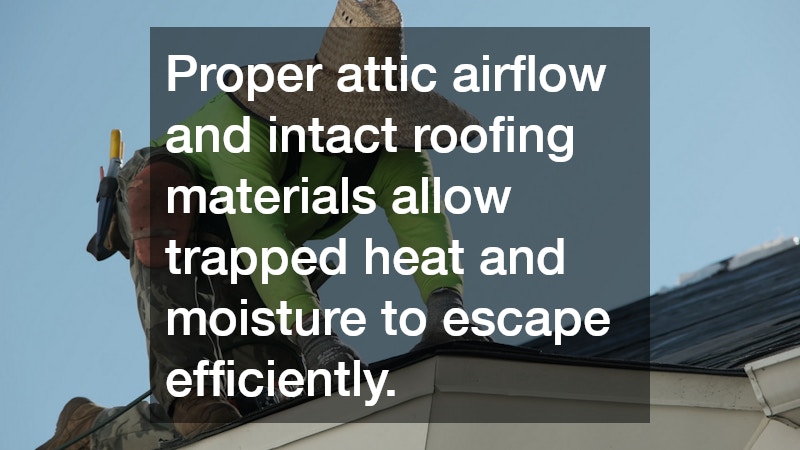
Proper attic airflow and intact roofing materials allow trapped heat and moisture to escape efficiently, relieving stress on your heating and cooling equipment. If your energy bills rise without a clear explanation, conducting a thorough exterior inspection can reveal hidden gaps, degraded insulation, or failing seals. Completing necessary roof repairs restores proper ventilation, seals thermal leaks, and improves energy efficiency throughout your entire home.