Most people think of home upgrades as pure expense, something you pay for once and hope you enjoy. But a surprising number of improvements actually work the other way around, saving you money month after month or protecting you from costly emergencies down the road. The trick is knowing which upgrades deliver real financial payback versus which ones are just nice to have. This guide breaks down the home improvements that quietly earn their keep over time, from the roof over your head to the pipes beneath your yard.
Upgrading Your Heating and Cooling System for Long-Term Savings
Older HVAC systems tend to work harder than they should, burning through energy and driving up utility bills without you ever noticing the slow creep. A heat pump replacement is one of the clearest examples of an upgrade that pays for itself, since modern heat pumps can move heat far more efficiently than older furnaces or air conditioners. Many homeowners see a noticeable drop in their monthly energy costs within the first year of installation.
Beyond the monthly savings, newer systems also tend to need fewer repairs, which adds up over a decade of ownership. Many utility companies and local governments offer rebates for efficient equipment, which shortens the payback period even further. If your current system is more than twelve years old, it is worth getting a professional assessment before it fails during the hottest or coldest week of the year.
- Look for ENERGY STAR certified units when comparing options
- Ask about available rebates or tax credits before you commit
- Replace air filters regularly to protect your investment
- Consider a programmable thermostat to maximize efficiency gains
Protecting Your Home With a Durable Roof Replacement

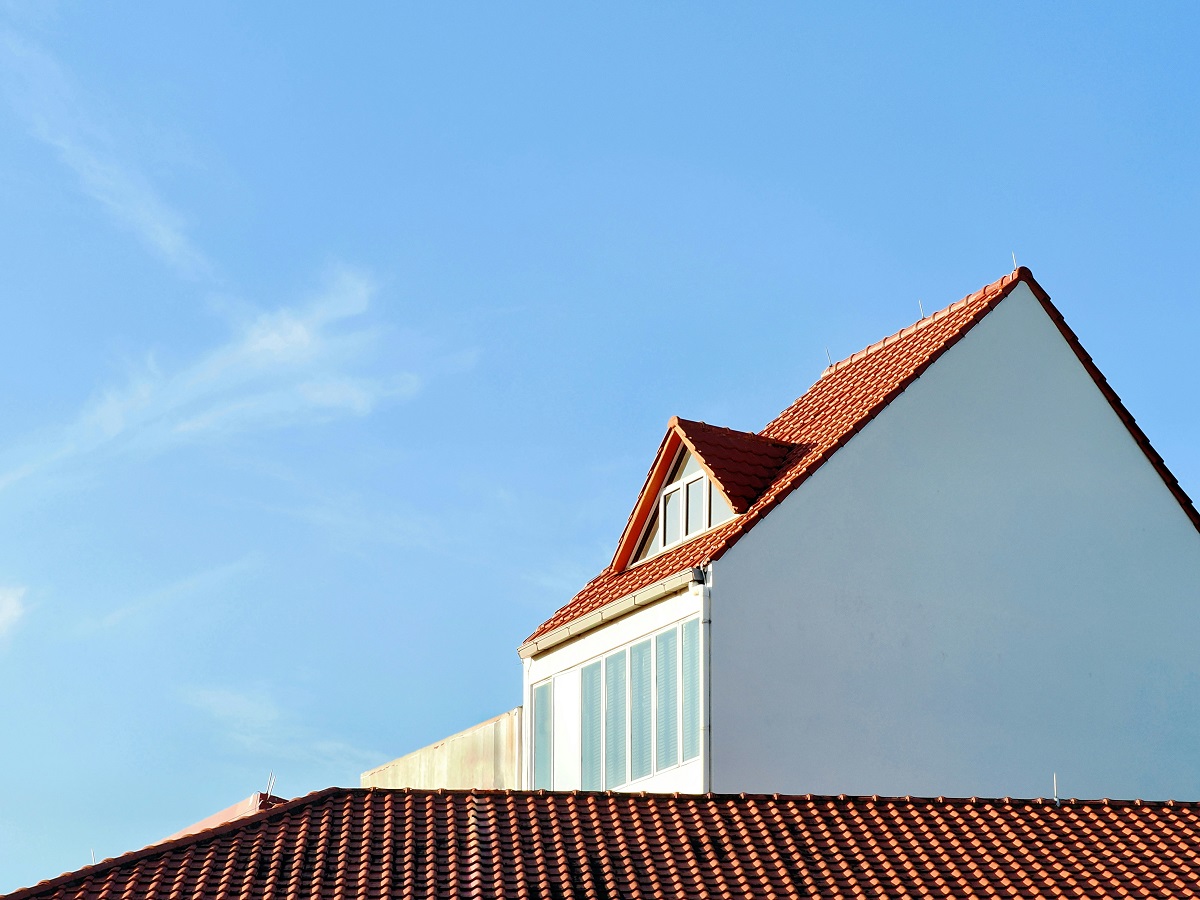
A roof is one of the biggest investments a homeowner will make, and choosing the right material and installer can mean the difference between decades of protection and a leak-prone headache. Replacing a roof too late often leads to hidden water damage, mold, and compromised insulation, all of which cost far more to fix than the roof itself. For flat or low-slope roofs, many homeowners now turn to a TPO roofing contractor because TPO membranes reflect sunlight, reduce cooling costs, and resist tears better than older materials like tar and gravel or EPDM rubber. These white or light-colored membranes can reflect up to 80% of the sun’s UV rays, which translates into noticeably lower attic temperatures and reduced strain on air conditioning systems during summer months. A qualified TPO roofing contractor will also account for proper seam welding and insulation thickness, two factors that heavily influence how long the roof lasts. Poorly welded seams are one of the most common causes of early leaks, so experience and attention to detail matter as much as the material itself. Most TPO roofs last between 20 and 30 years with minimal maintenance, especially when inspected annually for punctures or seam separation. This kind of upgrade pays off through lower energy bills, fewer emergency repairs, and a stronger resale value, since buyers increasingly look for homes with low-maintenance, energy-efficient roofing already in place.
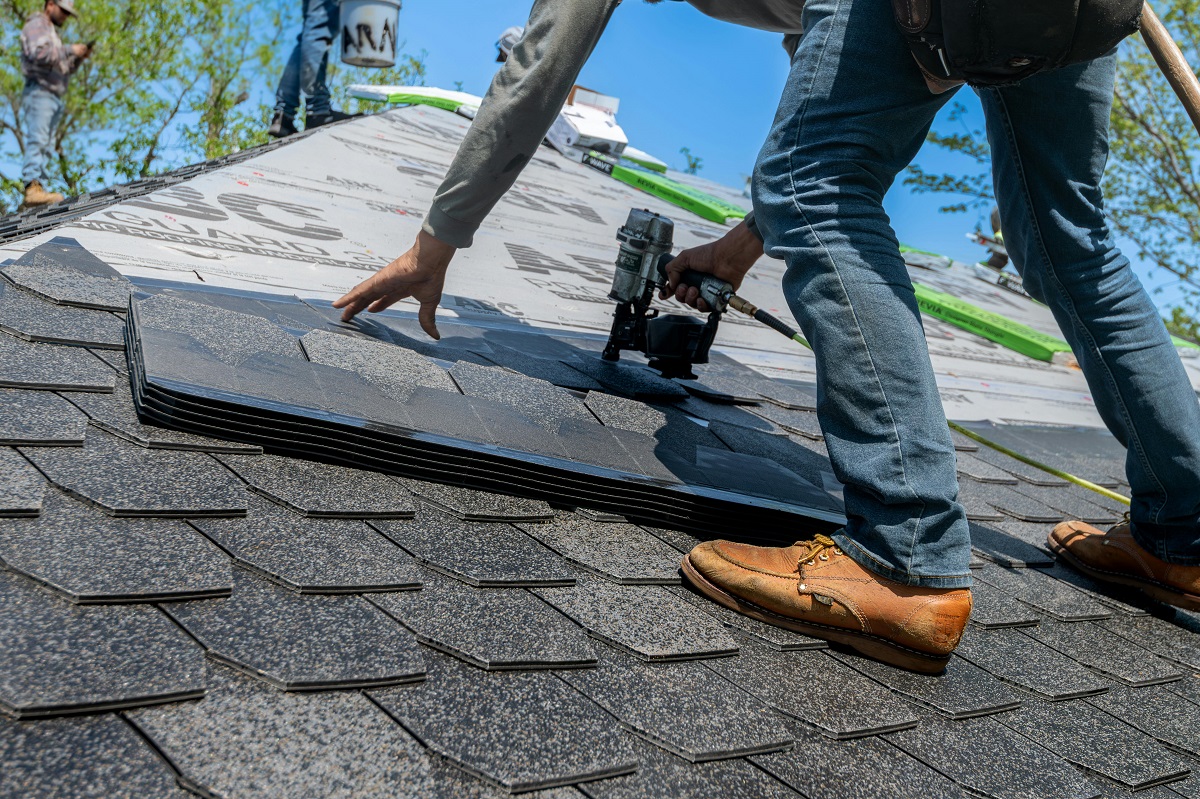
A roof replacement is one of the biggest investments you’ll make in your home, but it’s also one of the most protective. For sloped residential roofs, working with experienced residential roofers ensures the job is done with proper ventilation, flashing, and underlayment, all of which extend the roof’s lifespan significantly. Quality asphalt shingles typically last 20 to 30 years when installed correctly, while metal roofing can stretch past 40 years with minimal maintenance. A poorly installed roof can lead to hidden water damage that costs far more to fix than the roof itself. Trapped moisture can rot the decking, damage insulation, and even promote mold growth inside walls before any leak becomes visible. These repairs often run into the thousands of dollars, far exceeding what you’d have spent on a properly installed roof upfront. Getting multiple quotes and checking references helps you avoid that outcome. Ask prospective contractors about warranty coverage, both for materials and workmanship, since a strong warranty signals confidence in their installation quality. It’s also worth confirming they’re licensed, insured, and familiar with local building codes, as this protects you from liability and ensures the roof meets safety standards.
- Ask about warranty coverage on both materials and labor, and check how many years each lasts (material warranties often run 25-50 years, labor can be far shorter)
- Inquire about proper attic ventilation during installation, since poor airflow can trap heat and moisture, shortening shingle life and raising cooling costs
- Request documentation of manufacturer certifications to confirm the installer is authorized for enhanced warranty tiers
- Confirm whether the roofer offers a workmanship guarantee separate from the manufacturer’s warranty
- Get a written estimate detailing materials, underlayment, flashing, and disposal of old roofing
- Schedule periodic inspections, ideally twice a year, to catch small issues like cracked flashing or loose shingles before they become costly repairs
Finishing Your Basement to Add Usable Living Space
An unfinished basement is essentially wasted square footage, sitting there collecting dust instead of adding value to your daily life. Hiring a basement remodeling company to convert that space into a bedroom, home office, or rental unit can significantly increase your home’s market value while giving your family more room to spread out. Because the structural shell already exists, finishing a basement is often far cheaper per square foot than building an addition.
The key to a basement that pays off is addressing moisture control before any drywall or flooring goes in. Waterproofing, proper insulation, and a reliable sump pump system protect your investment from mold and water damage down the line. Skipping these steps to save money upfront often leads to much larger repair bills later.
- Confirm moisture levels are tested before construction begins
- Ask about egress window requirements for bedrooms
- Choose moisture-resistant flooring and drywall materials
- Factor in proper lighting since basements lack natural light
Replacing Aging Sewer Lines Before They Fail Completely
Sewer problems rarely announce themselves until they become emergencies, with slow drains or sewage backups signaling that something deeper is wrong underground. Sewer lining has become a popular alternative to traditional pipe replacement because it allows a new pipe to be formed inside the old one without tearing up your yard or driveway. This trenchless method is often faster and less disruptive than full excavation, while still extending the life of your sewer system for decades.
Homes built before the 1980s are especially prone to sewer line issues due to materials like clay or cast iron that degrade over time. Addressing a compromised line proactively protects your foundation and landscaping from the kind of damage that comes with a major collapse. A camera inspection is usually the first step in determining whether lining is a viable option for your situation.
- Watch for recurring clogs or gurgling drains as early warning signs
- Ask for a camera inspection before agreeing to any major repair
- Compare trenchless options against traditional dig-and-replace methods
- Keep records of any sewer work for future home sale disclosures
Maintaining Your Septic System to Avoid Costly Failures
Septic systems are easy to forget about since they are buried and mostly out of sight, but neglecting them leads to some of the most expensive repairs a homeowner can face. Scheduling a routine pump out septic tank service every three to five years prevents solids from building up and overwhelming the drain field. Skipping this maintenance is one of the fastest ways to turn a minor service call into a full system replacement costing thousands of dollars.
Beyond the pumping schedule, being mindful of what goes down your drains protects the entire system’s longevity. Grease, chemicals, and non-biodegradable items can disrupt the bacterial balance that makes a septic system function properly. A well-maintained system can last well over twenty years, making this one of the lowest-cost, highest-value habits a homeowner can adopt.
- Keep a record of pumping dates and system inspections
- Avoid parking vehicles on top of the drain field
- Space out laundry loads to prevent overloading the system
- Plant only grass, not trees, near the septic area
Keeping Water Flowing Freely Throughout Your Home
Slow drains are often dismissed as a minor annoyance, but they frequently signal a buildup of grease, soap scum, hair, or mineral deposits that will eventually cause a much bigger problem if ignored. What starts as water taking an extra few seconds to disappear down the kitchen sink or shower can progress into full clogs, backups, or even pipe corrosion within a year or two. Calling a drain cleaning plumber at the first sign of recurring slowness can prevent pipe damage and the need for more invasive repairs later, such as replacing a section of corroded pipe or repairing water damage from an overflow. Professional drain cleaning clears buildup more thoroughly than store-bought chemical solutions, which can actually corrode pipes over time with repeated use. Tools like motorized augers and hydro-jetting equipment reach deeper into the pipe system, breaking up stubborn clogs and flushing out residue that liquid drain cleaners simply push further down the line. Many plumbers also offer camera inspections that reveal exactly where a blockage or crack is forming, which turns guesswork into a targeted fix. Scheduling a professional cleaning once a year, or every six months for households with older plumbing or frequent clogs, is a small cost compared to emergency repairs that often run into the hundreds or thousands of dollars. Keeping drains clear also protects water pressure and flow throughout the home, since partially blocked pipes force fixtures and appliances to work harder than necessary.
Regular maintenance also protects your home’s resale value, since buyers and inspectors often flag plumbing issues during a sale. A sluggish drain, a hidden slow leak, or mineral buildup in old pipes can turn into a red flag on an inspection report, sometimes knocking thousands off an offer or derailing a sale entirely. A home with a documented history of professional drain cleaning and camera inspections signals to future buyers that the plumbing has been well looked after, not just patched when something broke. Scheduling a professional drain cleaning every 18 to 24 months typically costs between $150 and $300, far less than the $1,000-plus price tag of emergency repairs after a backup or burst pipe. Simple habits help too: running hot water after using the garbage disposal, avoiding grease and coffee grounds down the kitchen sink, and using drain screens to catch hair in bathrooms all reduce buildup between professional visits. This small, recurring investment pays dividends by avoiding emergency calls and water damage repairs, which can easily run into the thousands once drywall, flooring, or mold remediation gets involved. It also extends the lifespan of your pipes themselves, delaying the need for a full repipe that can cost $4,000 to $15,000 depending on your home’s size and layout.
- Avoid pouring grease or coffee grounds down kitchen drains; let grease cool and toss it in the trash instead
- Use drain screens to catch hair and debris in bathrooms, and empty them weekly to keep water draining fast
- Schedule a professional drain cleaning annually for homes over 20 years old, since tree roots and pipe scale build up gradually
- Address slow drains early with a plunger or enzyme cleaner rather than waiting for a full clog
- Run hot water through drains weekly to help dissolve soap scum and minor grease buildup before it hardens
- Know the location of your main water shutoff valve so you can act fast if a pipe ever bursts
Addressing Plumbing Issues Before They Escalate Into Emergencies
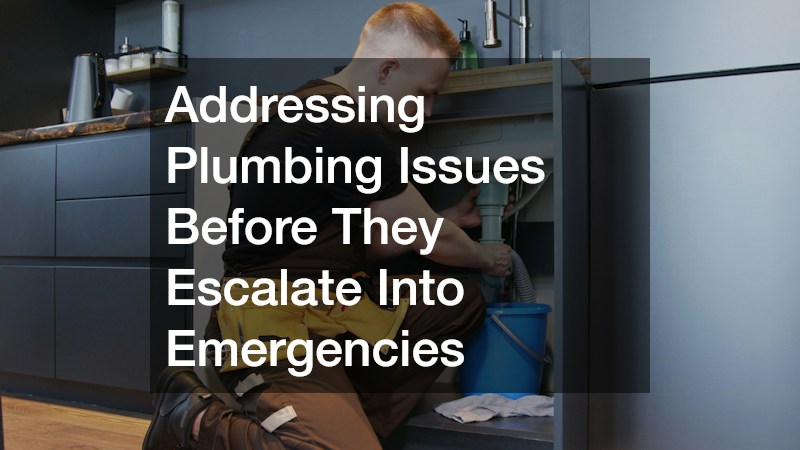
Many homeowners wait until a pipe bursts to call for help, but reactive plumbing care almost always costs more than staying ahead of problems. Licensed plumbers can identify warning signs like corroding pipes, failing water heaters, or hidden leaks long before they turn into a flooded basement. Routine inspections, especially in homes over twenty years old, often catch small issues while they are still inexpensive to fix.
Upgrading fixtures at the same time as a repair can also improve efficiency and lower water bills going forward. Low-flow toilets and faucets, for example, use a fraction of the water older models require without sacrificing performance. Pairing necessary repairs with smart upgrades turns a maintenance expense into a long-term savings opportunity.
- Schedule an annual plumbing inspection for peace of mind
- Replace aging water heaters before they fail unexpectedly
- Install low-flow fixtures during routine repairs
- Keep a record of past repairs for future reference
Restoring Your Pool Surface to Prevent Bigger Repairs

A pool’s interior surface takes a constant beating from water chemistry, sunlight, and temperature swings, and over time it begins to crack, stain, or feel rough underfoot. Pool replastering restores that surface before small cracks turn into leaks that can undermine the pool’s structure or drain water into the surrounding yard. Because leaks are often hidden beneath the water line, many homeowners do not realize damage is occurring until their water bill spikes or the pool structure shows signs of settling.
Replastering on a reasonable schedule, typically every ten to fifteen years depending on usage and climate, protects the much larger investment of the pool shell itself. It also improves water chemistry balance, since rough or damaged plaster can make it harder to maintain proper pH and sanitation levels. A freshly replastered pool is smoother, safer, and more energy efficient to heat and filter.
- Watch for rough texture or visible stains as early warning signs
- Test water chemistry regularly to catch imbalances caused by surface wear
- Budget for replastering as part of long-term pool ownership costs
- Ask about different finish options for durability and appearance
Smart home upgrades are rarely about chasing trends, they are about protecting the systems that keep your household running smoothly while quietly lowering your costs over time. Whether it is a roof, a septic system, or the plumbing hidden behind your walls, addressing these areas proactively almost always costs less than waiting for a breakdown. Start by walking through your own home and identifying which of these systems are aging or overdue for attention. A little research and the right professional help now can save you thousands in the years ahead.