
A roof repair invoice can feel like just another expense, but the details on that bill often reveal far more than the cost of shingles and labor. The age of your roofing materials, the type of damage found, and the underlying cause of a leak can point to issues brewing elsewhere in your home. Learning to read between the lines of a repair estimate helps you catch small problems before they become expensive emergencies. This article breaks down what your roof repair bill is really telling you about the rest of your house.
Decoding the Line Items on a Roof Repair Estimate
Most roof repair bills break costs into categories like materials, labor, disposal fees, and sometimes permit costs. Reading each line carefully tells you whether the repair was a quick patch or a sign of deeper structural concerns. A bill heavy on labor hours relative to materials often means the roofers spent extra time diagnosing hidden damage rather than simply replacing shingles. Pay attention to notes about decking replacement or flashing repair, since these items usually indicate water has been infiltrating longer than expected.
If your invoice mentions large quantities of discarded material, you may notice a separate charge for debris removal. Larger jobs sometimes require roll off dumpsters parked in the driveway to handle torn-off shingles, old underlayment, and damaged wood. Seeing this charge is not necessarily alarming, but it does suggest the scope of work was bigger than a simple patch job.
Water Stains That Point to Attic Ventilation Problems
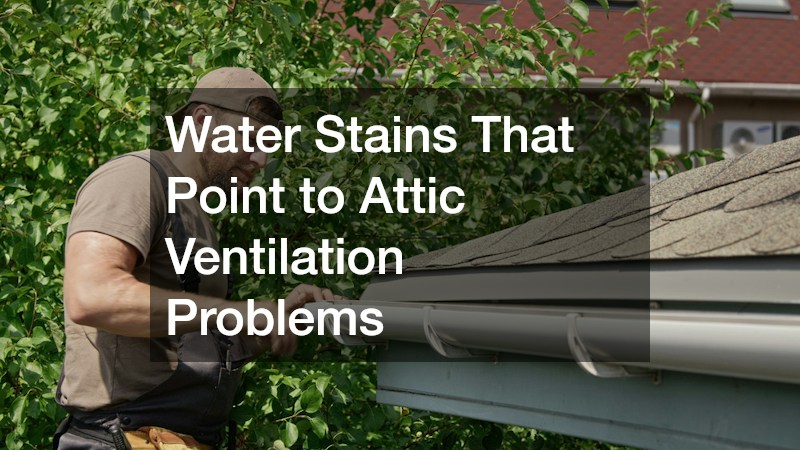
When a roofer notes water staining on the underside of the decking, it is not always a sign of a leak alone. Poor attic ventilation can trap moisture and cause condensation that mimics roof leaks, damaging insulation and wood over time. This is worth investigating further because ventilation problems left unaddressed can shorten the lifespan of a brand new roof.
Technicians sometimes recommend upgrading insulation as part of a broader moisture control plan. Homeowners researching long-term solutions often discover that spray foam insulation can reduce the kind of temperature swings that lead to condensation buildup in attics. While this upgrade is a separate project from roof repair, a sharp-eyed roofer who flags moisture issues is doing you a favor by connecting the dots between your attic and your roofline.
Granule Loss and What It Reveals About Shingle Age
If your bill cites excessive granule loss, it usually means your shingles are nearing the end of their useful life, regardless of how old the roof looks from the ground. Granules protect shingles from UV rays, and once they wear away, the asphalt beneath degrades much faster. A repair technician noting this on an invoice is essentially warning you that patchwork fixes may only buy a year or two.
This is often the moment homeowners start comparing the cost of continued repairs against a full roof replacement. A repair might solve today’s leak, but if granule loss is widespread, the next storm could bring a new set of problems. Getting a second opinion before investing heavily in piecemeal repairs can save money in the long run.
Flashing Failures and Their Connection to Chimneys and Vents
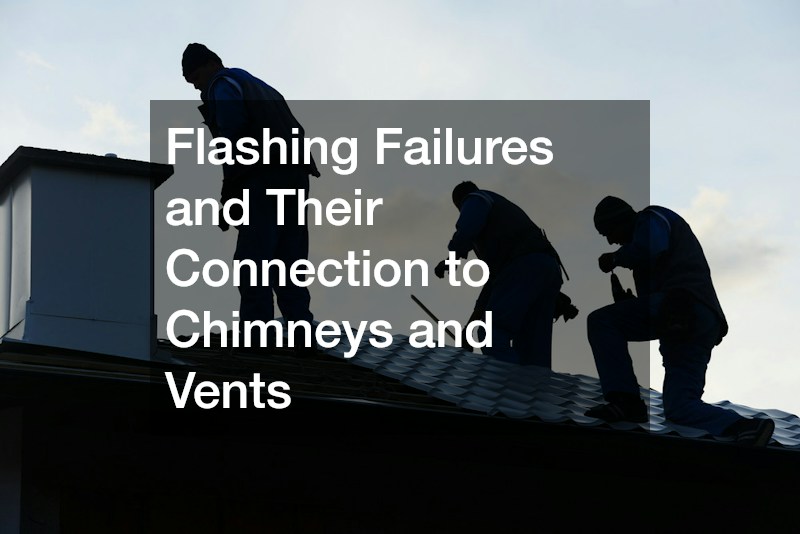
Flashing is the metal barrier installed around chimneys, skylights, and vent pipes to keep water from seeping into seams where the roof plane meets a vertical surface. These joints are the roof’s weakest points by design, since shingles alone can’t bridge the gap where a chimney or pipe interrupts the surface. When a repair bill lists flashing replacement, it usually means water had already found a weak point in one of these transitions. Step flashing around chimneys is especially prone to failure because it relies on overlapping metal pieces woven into each shingle course. If a roofer used continuous flashing instead of step flashing, or caulked a seam instead of properly layering it, that shortcut often shows up years later as a line item for “chimney flashing repair.” Vent pipe boots made of rubber are another common culprit, since the rubber collar cracks from sun exposure within 10 to 15 years even when the metal base underneath is still sound. This kind of damage can be sneaky, sometimes showing up as a stain on a ceiling far from the actual leak source. Water can travel along a rafter or along sheathing before dripping somewhere visible, so a stain near a bedroom closet might actually trace back to chimney flashing on the opposite side of the attic. A repair bill that specifically names the flashing component, rather than just “leak repair,” is worth asking about, since it tells you exactly where the vulnerability was and whether similar flashing elsewhere on the roof might be due for inspection too.
- Rusted or bent flashing around chimneys often signals age-related wear rather than storm damage, especially on homes over 15-20 years old where original galvanized flashing has simply outlived its coating
- Pipe boot flashing tends to crack from UV exposure well before shingles show visible wear, with rubber gaskets typically failing around the 10-year mark even on a roof rated for 25-30 years
- Skylight flashing failures frequently cause leaks that are mistaken for window problems, sending homeowners chasing condensation or seal issues indoors instead of the actual source above
- Valley flashing issues can lead to water pooling during heavy rain if not properly sealed, particularly on low-slope valleys where debris collects and traps moisture against the metal
- Step flashing along walls and dormers can work loose over time as the house settles, creating gaps that let water track behind siding rather than off the roofline
- Corroded flashing nails or fasteners often fail before the flashing itself, so a repair that only replaces the metal without upgrading hardware may leak again within a season
Structural Sagging and Hidden Framing Damage
A repair bill that includes framing repair or references to sagging decking is a signal that water damage has moved beyond the surface. Sagging usually means that plywood or oriented strand board has absorbed moisture over an extended period, weakening its structural integrity. This type of damage rarely appears overnight, which means it may have been developing for months or even years before discovery.
Ignoring this kind of note on a bill can lead to bigger headaches later, including mold growth or even partial roof collapse in severe cases. It is worth asking your repair technician directly how extensive the affected area is and whether nearby rafters or trusses were inspected. A small structural fix today is almost always cheaper than emergency repairs after a collapse.
Gutter and Drainage Issues Tied to Roof Repair Visits
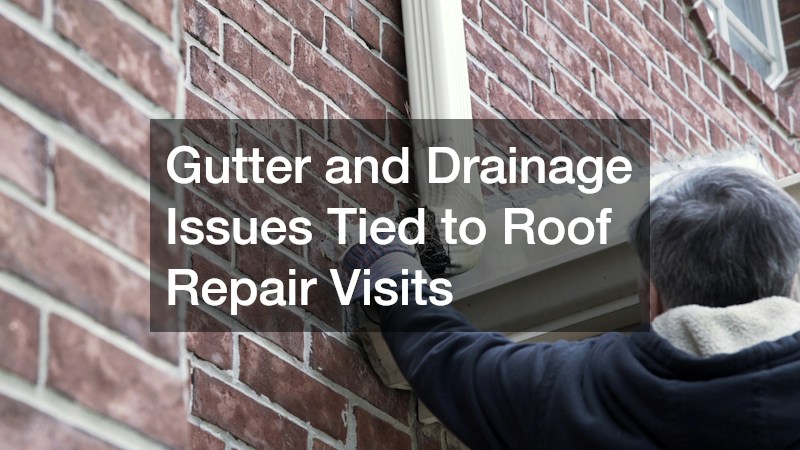
Many roof repair invoices mention clogged or damaged gutters, since drainage problems are directly linked to how water moves off your roof. When gutters overflow, water can back up under shingles and cause rot along the roofline, which is why technicians often flag this during inspections. Addressing drainage issues alongside roof repairs helps prevent a repeat service call a few months later.
Homeowners sometimes forget that landscaping choices affect drainage too. Thick beds of mulch placed too close to the foundation can hold moisture against the house, compounding problems that start at the roofline and travel downward. Keeping gutters clear and grading soil away from the house are simple steps that protect the investment you just made in roof repairs.
How Pest Damage Shows Up on a Roofing Invoice
It might seem unusual, but pest activity is a common culprit behind roof damage that technicians note on repair bills. Squirrels, raccoons, and birds can create or widen small gaps in soffits and fascia boards, giving water an easy entry point. If your invoice mentions chewed wood or nesting material found during the repair, it is worth taking that seriously.
In these situations, a roof repair alone will not solve the underlying issue, since animals may simply return and cause the same damage again. Calling pest control companies to address the root cause is often necessary before or alongside roofing work. Standing water near clogged gutters or soffit gaps can also attract mosquitoes, so mosquito removal is sometimes part of the broader pest conversation homeowners end up having. Addressing both problems together prevents a cycle of repeated repairs and wasted money.
Why Roof Age and HVAC Equipment Problems Often Appear Together
It is common for rooftop HVAC units or attic-mounted systems to develop problems around the same time as the roof itself, especially in older homes. Vibration, weather exposure, and age-related wear affect both systems simultaneously, so a roof repair bill sometimes arrives close on the heels of an HVAC service call. If a technician mentions disturbed flashing around a rooftop unit, it may be tied to recent AC service or maintenance performed by another contractor.
This overlap is a useful reminder to think of your home’s major systems as interconnected rather than isolated. A homeowner dealing with AC repairs around the same time as roof work should ask both contractors whether access points or mounting brackets contributed to any leaks. Coordinating these conversations can prevent finger-pointing and get problems solved faster.
What Pipe and Vent Penetrations Reveal About Plumbing Connections

Roofs are full of penetrations for plumbing vents, and repair bills sometimes mention resealing or replacing boots around these pipes. These vents connect directly to your home’s plumbing system, allowing sewer gases to escape and maintaining proper drainage throughout the house. A worn pipe boot might seem minor, but it is a frequent source of slow leaks that go unnoticed for a long time.
This is also a good opportunity to think about other plumbing-adjacent systems in your home that age on a similar timeline. For instance, homeowners often schedule water heater repair around the same years they start noticing other maintenance needs piling up, simply because household systems installed at the same time tend to wear out together. Keeping a mental timeline of when major systems were installed helps you anticipate these overlapping repair needs.
Reading the Fine Print on Warranty and Material Disclosures
Many repair invoices include a section referencing material warranties, workmanship guarantees, or manufacturer disclosures. This fine print matters because it tells you whether future problems with the same repair will be covered or whether you will be paying out of pocket again. Skipping over this section is one of the most common mistakes homeowners make when reviewing a bill. Pay close attention to the distinction between a manufacturer’s warranty and a workmanship warranty, since they cover very different things. A manufacturer’s warranty, often lasting 20 to 30 years on shingles, typically covers defects in the material itself but not damage caused by poor installation. A workmanship warranty, offered by the contractor, covers labor errors like improper flashing or nailing, and these tend to be much shorter — often just one to five years unless you paid for an extended option. Also look for language that limits or voids coverage, such as requirements for annual inspections, specific maintenance schedules, or the use of approved contractors for any future work. Some warranties are prorated, meaning the payout shrinks each year, so a “25-year warranty” might only reimburse a fraction of replacement costs if a failure happens in year 15. If the bill doesn’t specify whether a warranty is transferable to a future homeowner, it’s worth asking, since that detail can affect resale value.
- Material warranties typically cover manufacturing defects but not installation errors — read the exclusions list, since labor costs to fix a defective shingle are often not included
- Workmanship warranties vary widely between companies, ranging from 1 year to lifetime coverage, so always ask for the specific term length in writing
- Some warranties become void if unlicensed contractors perform follow-up work, so keep records of who touches your roof after the original installation
- Prorated warranties shrink in value over time, meaning a “25-year” warranty might only cover a fraction of replacement costs by year 15
- Transferable warranties can add value if you plan to sell your home within a few years, but many require a transfer fee or notification within 30 days of closing
- Manufacturer warranties often require proof of proper ventilation and installation per their specifications, so ask if your contractor is a certified installer
Your roof repair bill is more than a receipt; it is a snapshot of your home’s overall health at a specific moment in time. Paying attention to the details, from flashing notes to ventilation warnings, helps you catch problems early and avoid costly surprises down the road. The next time you receive an invoice, take a few extra minutes to read through it carefully and ask your contractor questions about anything that seems unclear. A little curiosity now can save you significant time and money later.