The roof over your head is arguably the most critical component of your home’s exterior infrastructure. Operating high above your daily sightlines, it serves as the primary shield defending your family, structural framing, and valuable interior finishes from the relentless forces of nature. Whether it is enduring a scorching summer sun, handling torrential downpours, or bearing heavy winter ice loads, your roofing system bears the heaviest physical burden on your property.
Despite its vital importance, roofing is often a classic example of “out of sight, out of mind” for many property owners—until a sudden brown water stain spreads across the living room ceiling. Replacing or heavily repairing a residential roof is a major financial layout and a complex structural undertaking. Making uninformed choices can lead to early material failure, compromised home equity, and extensive interior water damage. This comprehensive guide serves as your master manual, mapping out the essential phases of roof management, material selection, and contractor screening to keep your home’s primary defense system functioning flawlessly for decades.
Understanding the Early Signs of Roof Damage
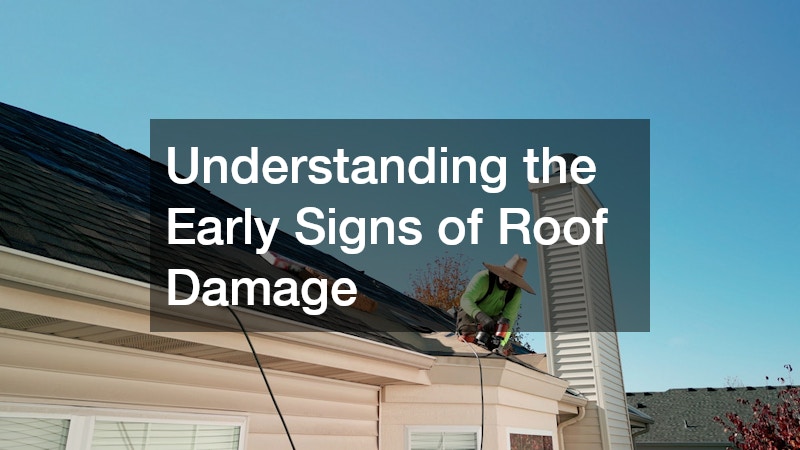
A healthy roof operates quietly and efficiently, shedding water away from your home’s envelope. However, because materials degrade under constant UV exposure and extreme thermal expansion, subtle failures will inevitably develop over time. Waiting until a major leak actively floods your living space before addressing these changes is a costly mistake. Water can travel horizontally along internal rafters for weeks before dripping onto a ceiling, quietly rotting structural timber and ruining insulation behind your walls.
To prevent minor wear from spiraling into a full-scale structural crisis, homeowners must cultivate a habit of looking for the early indicators of surface decay. From the safety of the ground, a routine visual scan with a pair of binoculars can reveal curling, cracked, or completely missing shingles. Pay close attention to your gutters during regular cleanings; an unusual accumulation of sand-like mineral granules indicates that your asphalt shingles are shedding their protective UV coating and nearing the end of their operational lifespan. Catching these localized vulnerabilities early allows you to schedule a targeted roof repair quickly, sealing your home’s envelope before moisture compromises your home’s framing.
Learning What Professional Roof Inspections Include
While a visual scan from the ground is an excellent habit, a truly thorough structural audit requires a trained eye and physical access to the roof deck. A roof is a complex, multi-layered ecosystem comprising decking, underlayment, ice-and-water shields, drip edges, valley flashing, and active ventilation paths. A failure in any one of these individual layers can cause the entire system to break down, allowing moisture to compromise your home.
When you invite a certified roofer to conduct a comprehensive structural evaluation, the process moves far beyond a simple surface glance. A professional inspection includes checking the physical integrity of your chimney flashing and the rubber boots surrounding plumbing vent stacks—the two most common entry points for hidden leaks. The inspector will also examine your attic’s interior, checking for proper intake and exhaust ventilation ratios to ensure that rising heat and humidity are not baking your shingles from beneath. By conducting a forensic audit of the entire system, a qualified technician can pinpoint invisible design flaws and structural weak spots, giving you a clear, factual roadmap for your property’s maintenance needs.
Comparing Different Service Options for Your Home
The residential roofing market is filled with service providers ranging from independent, uncertified laborers to high-capacity corporate networks. When faced with a localized leak or an aging roof deck, you will find yourself navigating an overwhelming influx of advertising, varying material choices, and wildly inconsistent estimates. Making a hiring decision based strictly on the lowest initial price tag is a dangerous gamble that frequently results in substandard installation quality and immediate structural failures.
To shield your bank account from predatory practices, you must dedicate time to systematically vetting and comparing different roofing companies. Request detailed, line-item estimates from at least three competing firms within your market. A legitimate, transparent proposal should break down the cost of manual labor, exact material brands and styles, underlayment grades, flashing replacements, disposal fees for old construction debris, and the procurement of municipal building permits. Comparing these service parameters side-by-side allows you to identify true value, ensuring that your choice balances fair competitive pricing with comprehensive project transparency and accountability.
Responding Quickly to Unexpected Storm Damage
Despite your best preventative maintenance efforts, nature remains entirely unpredictable. High-velocity wind storms can rip entire slopes of shingles from a house, golf-ball-sized hail can fracture a shingle’s internal fiberglass mat instantly, and falling tree limbs can crush structural rafters during a severe weather event. In these sudden, high-stress scenarios, your home’s immediate survival is dictated entirely by how quickly you can establish a temporary defense line.
When an environmental disaster strikes your property, you are in an active race against time. Allowing a breached roof to remain exposed to subsequent rain cycles will destroy your interior drywall, compromise your electrical lines, and foster rapid, toxic mold spore colonies within forty-eight hours. Contacting a dedicated emergency roofer is your first and most vital line of defense. Emergency crews are available around the clock, deploying specialized structural tarping, heavy-duty synthetic sheets, and framing supports to stop the inward migration of water instantly. This rapid intervention stabilizes the property, giving you the necessary breathing room to coordinate permanent insurance claims and structural reconstructions safely.
Choosing Qualified Professionals in Your Area

The roofing industry is frequently plagued by transient, out-of-town contractors who travel across the country following major natural disasters. These “storm chasers” descend on vulnerable neighborhoods, pressure homeowners into signing over insurance checks for quick, rushed installations, and vanish immediately after the project concludes. If a leak manifests a year later due to improper flashing or poor nailing patterns, an out-of-town entity will not be there to honor their workmanship warranty, leaving you financially stranded.
To protect your home and your capital investment, focus your search exclusively on established, verified local roofers. Nearby professionals maintain a physical office within your immediate community, possess deep roots in the local regional economy, and rely heavily on local word-of-mouth recommendations to sustain their business operations. They carry active, verified general liability and workers’ compensation insurance explicitly tailored to your state’s regulations. Choosing a nearby team guarantees that if your roof requires future adjustments, structural alterations, or warranty validation, a trusted team of localized craftsmen is only a short phone call away.
Knowing When Repairs Are No Longer Enough
Every residential roof is a depreciating physical asset with a fixed, predictable operational lifecycle. While localized patches and flashing repairs are excellent for managing minor, isolated issues, there comes a critical mechanical turning point where the underlying structural components have degraded to a level where temporary fixes are no longer fiscally responsible. Continuing to invest capital into patching a terminal roof system is akin to throwing money away on a dying vehicle.
When evaluating your property’s status, navigating the boundary between roof repair and replacement requires an objective look at compounding costs. If your roof is past fifteen to twenty years of age, or if it has suffered chronic leaks across multiple rooms, the system’s core materials have structurally failed. Forcing an old, brittle roof to continue laboring places your entire household at continuous vulnerability. Opting for a comprehensive tear-off and replacement permanently removes maintenance anxiety, updates your home’s architectural profile, and guarantees an airtight, watertight shield that protects your home’s value and interior finish work for a generation.
Exploring Long-Term Material Options for Durability
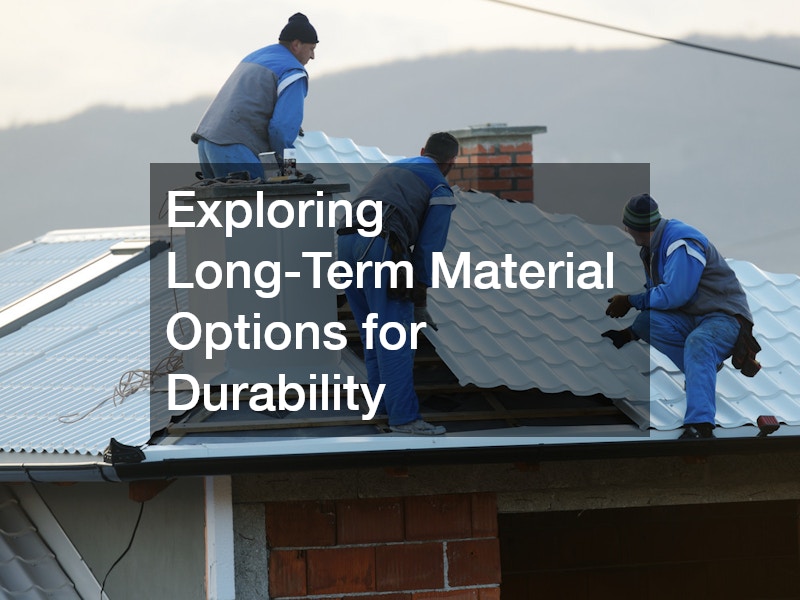
Modern manufacturing has introduced a spectacular array of residential roofing options that move far past traditional asphalt designs. While architectural shingles remain the budget-friendly benchmark, homeowners looking to maximize their home’s equity, thermal performance, and wind resistance are increasingly looking toward resilient, permanent materials. Your roof represents a massive portion of your property’s visible footprint, making material choice critical for long-term real estate prestige.
If your long-term property goal is permanent structural durability, investing in a professional metal roof installation opens up an exceptional tier of architectural defense. Metal roofing systems—whether constructed from high-grade steel, aluminum, or premium copper panels—are completely impervious to rot, insect destruction, and organic moss accumulation. They boast an impressive operational lifespan of forty to seventy years, often making it the last roof you will ever have to install on your property. Furthermore, metal systems reflect solar radiation away from your attic, drastically lowering your home’s cooling costs during peak summer heat waves and serving as a sustainable, eco-friendly capital upgrade.
Planning Major Roofing Projects Carefully
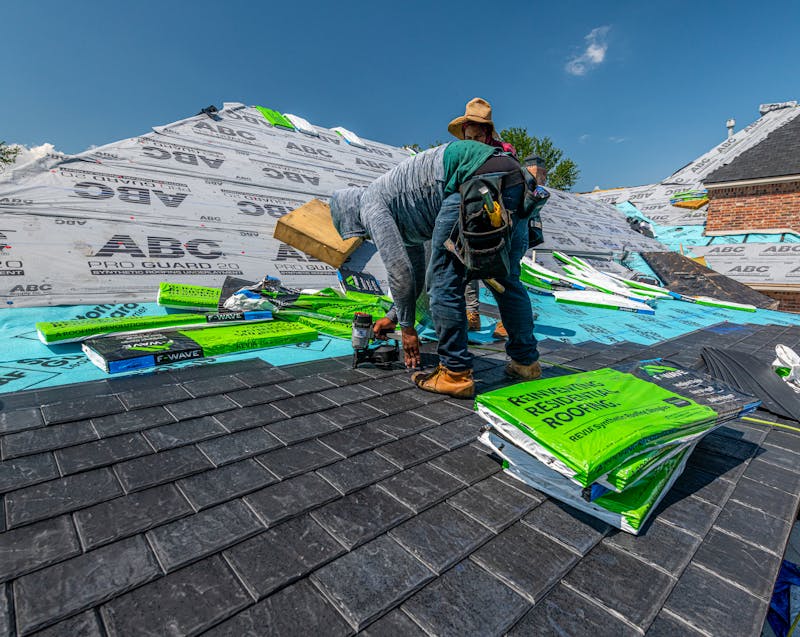
A comprehensive residential roof replacement is not a simple home improvement chore; it is a complex, loud, and highly disruptive construction project executed right over your head. Hundreds of pounds of old materials must be stripped away using heavy tools, exposing your home’s raw wooden skeleton to the elements before the new layers can be systematically rebuilt. Moving forward without proper property staging and structural coordination can turn your yard into a hazardous waste zone and result in accidental property damage.
To ensure a smooth, accident-free construction lifecycle, leading roofing contractors provide extensive site preparation guidelines before a single delivery truck arrives. Homeowners should clear their driveways completely to make room for heavy material forklifts and disposal dumpsters. Remove valuable or fragile artwork from your interior walls, as the constant, heavy vibrations from pneumatic nail guns can shake fixtures loose. It is also wise to cut your grass short right before construction day; this simple trick allows your roofing crew to utilize heavy magnetic sweeps efficiently to catch any stray construction nails that fall into your lawn, keeping your yard safe for pets and children.
Evaluating Contractor Experience and Qualifications
The performance of even the most expensive, premium roofing material is completely dependent on the quality of its installation. A luxury slate or standing-seam metal system will still leak, warp, and fail prematurely if it is installed by an inexperienced crew using incorrect fastening techniques or cheap underlayment membranes. Because product lines carry strict installation guidelines, verifying your contractor’s specific experience is your ultimate insurance policy against premature structural failure.
When auditing a prospective roofing contractor, explicitly ask about their manufacturer-specific credentials and training certifications. Elite material manufacturers only grant factory-certified status to contractors who undergo rigorous, ongoing technical training, demonstrate flawless credit histories, and maintain pristine safety records. Choosing a factory-certified professional allows them to offer extended, comprehensive manufacturer warranties that cover both product defects and installation labor for up to twenty-five or thirty years. Verifying these project qualifications before signing a line-item contract ensures your system is built to exact engineering codes, fully securing your long-term financial safety net.
Maintaining Your Roof for Long-Term Performance
Once your new roofing system is successfully installed, or if your current roof is in good condition but showing early signs of weathered superficial wear, establishing a proactive maintenance routine is the key to maximizing its operational lifespan. A roof should not simply be ignored until its materials degrade to the point of structural failure. Just as you service your vehicle’s engine to prevent a total breakdown, your roof deck requires strategic stewardship to maintain its protective qualities over the decades.
For homes looking to extend the performance of their existing roofing surfaces without the high capital layout of a total tear-off, investing in a high-quality local roof coating is an exceptional preventative strategy. Elastomeric and silicone roof coatings can be professionally applied as a continuous, seamless liquid membrane right over a clean, sound surface. This liquid shield cures into a rubberized, flexible blanket that fills hairline cracks, seals micro-gaps around flashing transitions, and provides extreme UV reflectivity that dramatically lowers your attic’s thermal absorption. Partnering with nearby maintenance specialists for regular debris removal, gutter clearing, and strategic protective coatings ensures that your home’s primary defense line remains unyielding, efficient, and beautiful for a lifetime.
Selecting the right care, materials, and professionals for your home’s roof is a multifaceted property management decision that requires you to look far beyond the superficial layer of a product sample. By carefully evaluating your system through the objective lenses of chronological age, historical repair frequency, emergency storm readiness, and hyper-local climate resilience, you shield your family from chronic financial waste and maintenance stress.
Treat your roofing infrastructure as a permanent long-term investment in your property’s structural health and market equity. While localized interventions from a certified roofer are ideal for managing minor, isolated component wear, recognizing when your system requires a resilient, long-term upgrade like a custom metal roof installation is the hallmark of responsible home stewardship. When you choose to protect your home with high-performance materials installed by certified roofing contractors, you permanently eliminate the anxiety of unexpected water intrusion. You secure lower monthly utility expenses, protect your home’s internal finish work from moisture rot, and establish a safe, comfortable, and stable sanctuary for your family. Take control of your home’s structural potential today, choose professional technical precision over temporary shortcuts, and enjoy the lasting peace of mind of a home built to stand the test of time.