A small roof problem left unchecked rarely stays small. What starts as a few loose shingles or a hairline crack in a tile can turn into water-soaked insulation, ruined drywall, and a repair bill that dwarfs what a routine inspection would have cost. Understanding which types of seasonal damage escalate fastest helps you know where to focus your attention and your budget. This guide breaks down the most expensive roofing problems by season so you can catch them before they catch you off guard.
Spring Storm Damage and Wind Uplift

Spring brings the year’s first real test for your roof, with sudden storms that combine heavy rain, hail, and gusting wind in a single afternoon. Wind uplift is one of the most underestimated threats because it can loosen shingles or flashing without leaving obvious visible damage right away. Once a shingle edge lifts, water starts working its way underneath, and the damage compounds with every subsequent storm.
This is also the season when a wind vented roofing system proves its worth, since proper ventilation reduces the pressure differences that make roofs vulnerable to uplift in the first place. Homes without adequate venting tend to see more frequent shingle loss during spring storm cycles. A quick post-storm walk around your property can reveal early warning signs before they become structural issues.
- Look for shingles that appear curled, lifted, or missing entirely
- Check gutters and downspouts for granule buildup after rain
- Inspect flashing around chimneys and vents for gaps
- Note any soft spots when walking on accessible roof areas
- Watch for water stains on interior ceilings after storms
Summer Heat Exposure and Material Breakdown
Prolonged summer heat causes roofing materials to expand and contract repeatedly, which accelerates wear on seals, adhesives, and flashing. On days when surface temperatures climb past 150°F, this daily cycle of expansion during peak heat and contraction overnight puts constant stress on the roof’s structure, gradually loosening fasteners and breaking down the bonds that hold everything together.
Asphalt shingles are especially prone to granule loss during intense heat waves, and once granules wear away, the shingle loses its UV protection and ages far faster. You’ll often spot the early signs in gutters or downspouts, where loose granules collect after a hard rain, or as bald, discolored patches on south- and west-facing slopes that bear the brunt of afternoon sun.
Flashing around chimneys, vents, and skylights is also vulnerable, since the metal expands at a different rate than the surrounding shingles or roofing membrane. Over time, this mismatch can pull sealant loose or create small gaps that let water in during the next storm.
This kind of damage is gradual, which makes it easy to overlook until a leak actually appears inside the home. By then, repair costs are often far higher than they would have been if the granule loss or flashing wear had been caught during a routine summer inspection.
Attic temperature also plays a bigger role than most homeowners realize. On a 90-degree day, a poorly ventilated attic can climb to 150 degrees or more, baking the underside of the roof deck for hours at a time. That sustained heat accelerates the breakdown of asphalt shingles, dries out adhesive sealants, and can even warp wood sheathing over several seasons.
The gap between attic temperature and outdoor air is the real warning sign. A well-ventilated, properly insulated attic should run only 10 to 20 degrees warmer than the outside temperature. Anything beyond that suggests trapped heat is working against your roofing materials from below, not just the sun beating down from above.
This is where airflow and insulation work together. Ridge vents, soffit vents, and baffles need to move hot air out efficiently, while insulation keeps conditioned air from the living space below from adding to the problem. If either piece is missing or improperly installed, the attic becomes a heat trap that shortens shingle life and stresses the deck year after year.
A qualified home insulation contractor can assess whether your attic is properly insulated and ventilated to keep temperatures balanced and reduce this seasonal strain. They can measure attic temperatures against outdoor conditions, check insulation depth and R-value against local building codes, and identify ventilation gaps that a simple visual inspection might miss.
Autumn Debris Buildup and Drainage Blockages
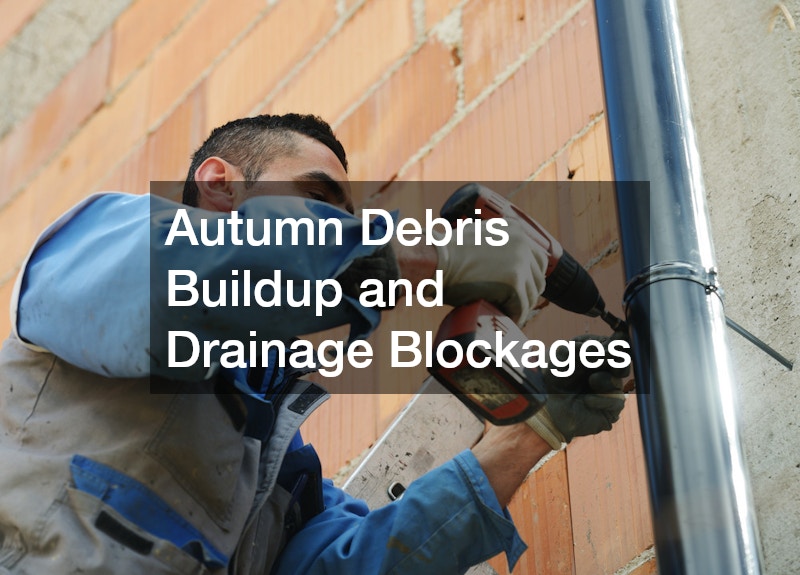
Falling leaves and pine needles seem harmless, but they create some of the most costly slow-motion damage of the year. When debris piles up in valleys or along the roofline, it traps moisture against the surface and encourages rot, moss growth, and premature material breakdown. Left long enough, trapped moisture can work its way under shingles or tiles and reach the roof deck itself.
Clogged gutters compound the problem by preventing water from draining away properly, which can cause it to back up under the roof edge. Many homeowners find it worthwhile to schedule a fall cleaning with gutter companies who can also flag early signs of sagging or separation while they’re up there. Catching a minor gutter issue in autumn is far cheaper than dealing with fascia rot or foundation water damage in spring.
- Clear debris from valleys, gutters, and downspouts before winter
- Check for standing water pooling anywhere on the roof surface
- Look for moss or algae patches that trap moisture
- Trim overhanging branches that drop excess leaves and needles
- Confirm downspouts direct water well away from the foundation
Winter Ice Dams and Freeze Thaw Cycles
Winter introduces one of the most destructive roofing problems: the freeze thaw cycle. When snow melts and refreezes at the roof edge, it forms ice dams that block proper drainage and force water backward under shingles. This trapped water can seep into the attic, soak insulation, and eventually stain ceilings and walls before anyone notices a leak.
Ice dams are more common on roofs with poor insulation or ventilation, since escaping heat melts snow unevenly across the surface. Homes with older or under-insulated attics are particularly at risk, which is another reason attic performance matters well beyond comfort and energy bills. Addressing insulation gaps before winter arrives is almost always cheaper than repairing water damage after the fact.
- Check for icicles forming along the roofline, a common ice dam indicator
- Look for uneven snow melt patterns across the roof surface
- Inspect the attic for frost buildup on the underside of the roof deck
- Monitor ceilings for new water stains during freeze thaw periods
- Ensure attic insulation meets recommended depth for your climate
Hail Impact and Delayed Structural Damage
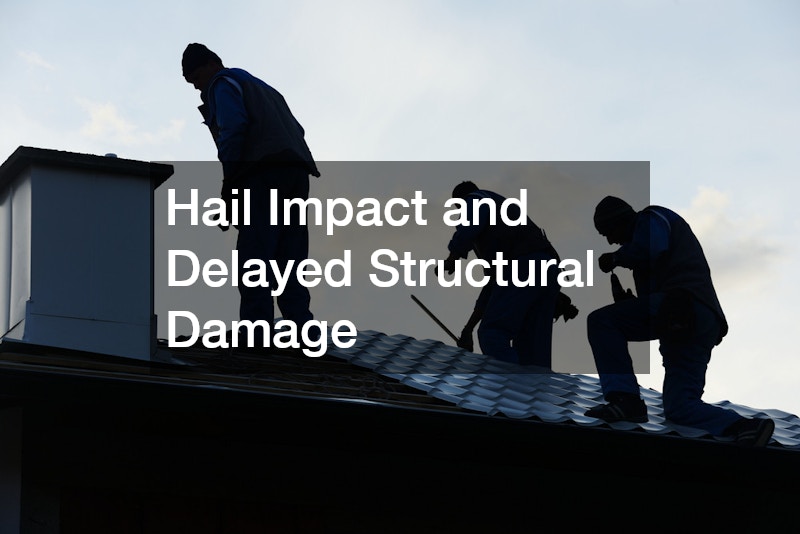
Hailstorms can cause damage that isn’t visible from the ground, which is exactly why so many homeowners underestimate the cost of ignoring them. Hail as small as one inch in diameter—about the size of a quarter—can bruise asphalt shingles, and larger stones can crack them outright. Small dents or bruises may not leak immediately, but they fracture the granules and mat beneath, weakening the shingle’s protective layer and shortening its overall lifespan by years.
The real problem is that this damage hides in plain sight. A bruised shingle often looks intact from a distance, so it passes casual inspection while UV rays and moisture quietly work their way into the exposed spot. Metal flashing, vents, and gutters can also take hail hits that dent or loosen seals, creating small gaps that go unnoticed until water finds them.
Over time, these compromised spots become the first areas to fail during the next heavy rain or windstorm. What starts as a hairline crack can turn into a full leak within one or two storm seasons, often leading to interior water stains, insulation damage, or mold growth long before the roof shows obvious exterior wear. Because most insurance policies require hail damage claims to be filed within a set window after a storm—sometimes as little as a year—waiting to inspect can mean paying full price for repairs you might otherwise have had covered.
Hail damage rarely announces itself right away. Bruised shingles, cracked seals, and granule loss can quietly compromise your roof’s integrity for months before a leak shows up inside your home. If you’ve experienced a significant hailstorm, it’s worth having a professional assess whether hail damage roof repair is needed, even if you don’t see obvious leaks yet.
A trained inspector will look for signs most homeowners miss, like soft, dark spots on shingles, dented flashing, or dings on gutters and vents that indicate hail size and impact force. These details matter because insurance adjusters use them to determine whether damage is storm-related or simply due to age.
Timing matters more than most people expect. Insurance companies often have specific windows for filing claims after a storm, sometimes as short as 6 months to a year, and missing that deadline can void your coverage entirely.
Waiting too long can mean paying out of pocket for damage that would have otherwise been covered. Worse, delayed repairs give water more time to seep into the decking and insulation, turning a simple shingle replacement into a costly structural repair.
Material Specific Vulnerabilities Across Seasons
Not all roofing materials respond to seasonal stress the same way, and knowing your roof type helps you anticipate its specific weak points. Clay tile roofing, for example, handles heat exceptionally well but can crack under sudden temperature drops or impact from falling branches and hail. Metal roofing tends to hold up well against wind and fire but can suffer from loosened fasteners or seam separation after repeated expansion and contraction.
Because these vulnerabilities are so material specific, it often helps to bring in a metal roofer or a specialist familiar with your exact roofing type rather than a general contractor. Someone who works with your specific material daily will recognize subtle warning signs that a less specialized eye might miss. This is especially true for older homes with less common roofing materials that require specific maintenance knowledge.
- Clay tile roofing is durable but brittle under sharp impact
- Metal roofing can develop seam or fastener issues over time
- Asphalt shingles are vulnerable to granule loss and heat aging
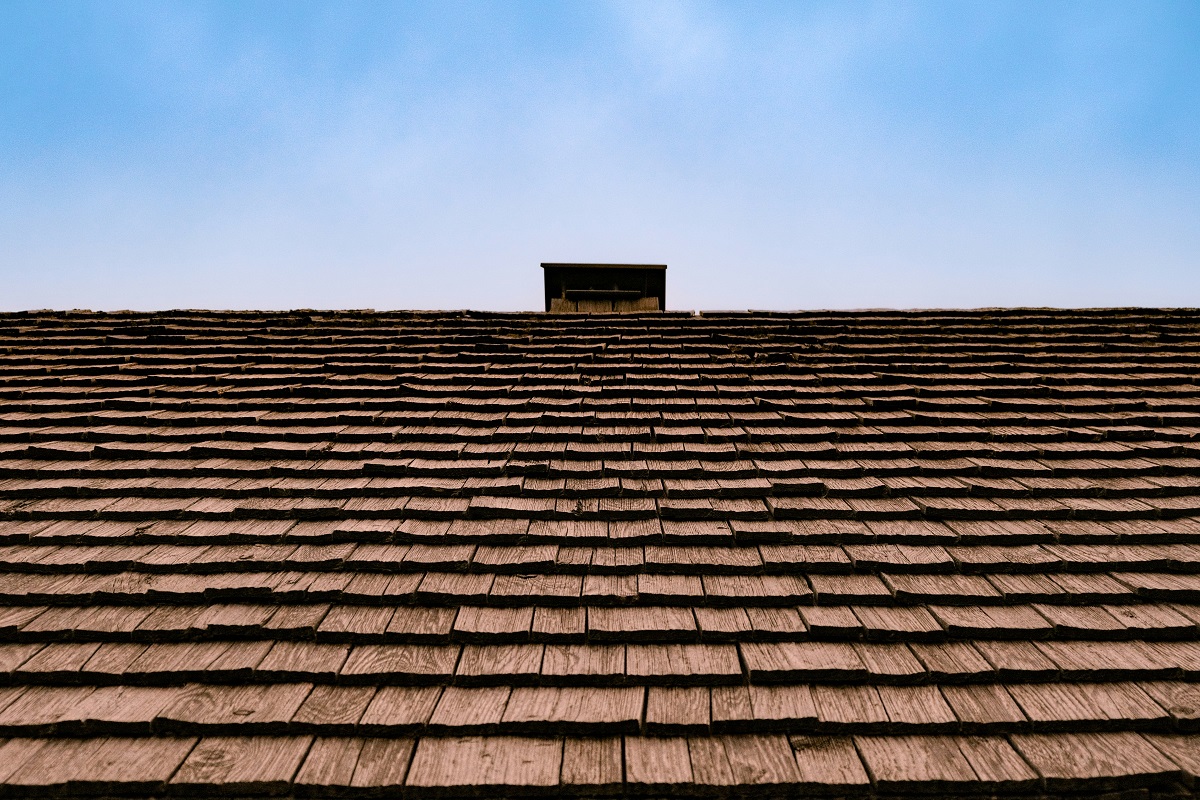
- Wood shake roofing requires extra attention to moisture and rot
- Flat roofing systems need frequent drainage checks year round
When Seasonal Wear Signals a Full Replacement
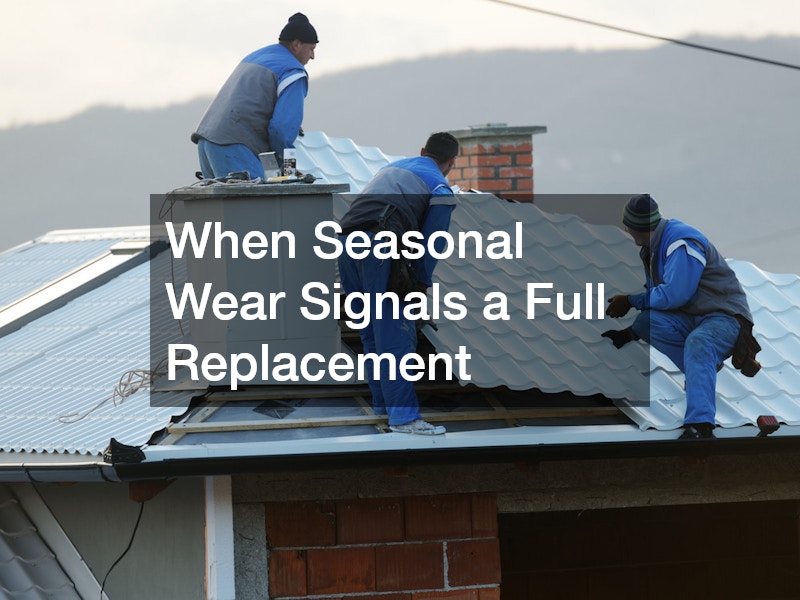
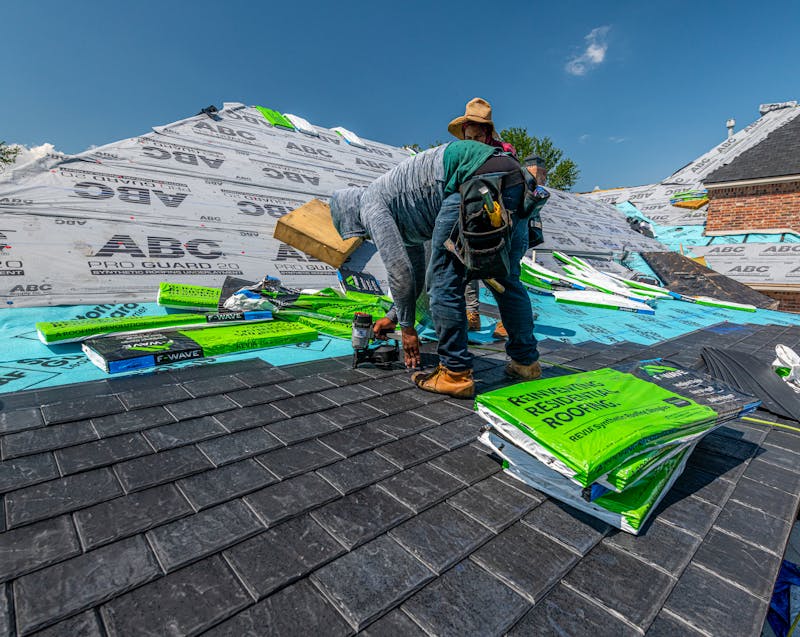
There’s a point where repeated seasonal repairs stop making financial sense, and a full roof replacement becomes the smarter long term investment. If your roof is nearing the end of its expected lifespan and shows recurring issues across multiple seasons, patch repairs may only be delaying a larger expense. Recognizing this tipping point can save you from spending money on fixes that won’t meaningfully extend the roof’s life.
A thorough roof installation done correctly the first time accounts for proper ventilation, flashing, and underlayment, all of which reduce future seasonal damage. Homeowners should look closely at material options suited to the local climate, since durability and moisture resistance vary widely between products. Getting a written estimate and timeline upfront helps you compare options and avoid unexpected costs mid project.
- Frequent leaks in different locations each season
- Roof age nearing or exceeding material lifespan expectations
- Visible sagging in the roof deck or ridge line
- Repair costs approaching a significant percentage of replacement cost
- Granule loss so severe that shingles appear bald or patchy in sunlight
Building a Year Round Residential Roof Maintenance Routine
The most cost effective approach to roof care isn’t a single big inspection but a consistent seasonal routine that catches small problems early. Residential roofing systems perform best when they’re checked after major weather events and again at the start of each season, rather than only when a leak appears. Many homeowners choose to partner with roofing companies that offer seasonal maintenance plans, since a trained eye tends to spot subtle wear that’s easy to miss on a DIY walkaround. This kind of routine maintenance is inexpensive compared to emergency repairs and tends to extend the life of the roof significantly.
Keeping a simple log of what you check each season, along with photos, makes it easier to track changes over time and spot patterns before they become expensive problems. It also gives you useful documentation if you ever need to file an insurance claim or discuss repair history with a contractor. A little consistency throughout the year goes a long way toward protecting one of the most expensive components of your home.
- Inspect the roof visually each season and after major storms
- Keep photos and notes of any changes you observe
- Clean gutters and downspouts at least twice a year
- Schedule a professional inspection every one to two years
- Address small repairs quickly before the next season arrives
Seasonal roof damage rarely announces itself loudly until the cost has already multiplied, which is why staying proactive matters more than reacting after a leak appears. Walking your roofline each season, watching for the warning signs specific to your material, and addressing small issues quickly can save you thousands over the life of your home. If you notice recurring problems or you’re unsure what you’re looking at, bringing in a qualified professional for an honest assessment is always worth the peace of mind. Your roof protects everything underneath it, so treat its maintenance as a year round priority rather than an occasional afterthought.