A severe storm has a way of finding every flaw your home has been hiding. Wind, rain, and hail don’t create weaknesses so much as expose the ones that were already there, from a roof that was overdue for attention to a fence line that never quite recovered from last year’s freeze. Understanding how each exterior system responds to extreme weather can help you prioritize repairs before the next front rolls through. This guide walks through the most common storm-exposed weak points and what they tell you about the condition of your property.
Roof Systems That Take the First Hit
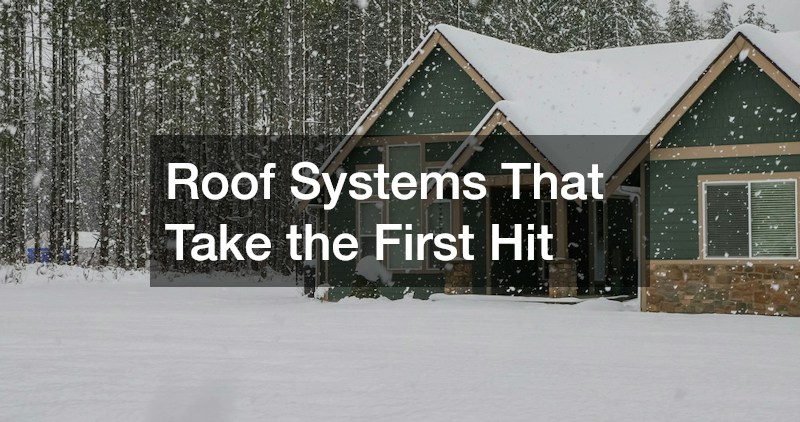
Your roof absorbs more storm stress than almost any other part of your home, and it often shows the damage last, after water has already worked its way inside. Wind-driven rain finds every lifted shingle or worn seam, while hail can bruise materials in ways that aren’t visible from the ground. Homeowners with low-slope or commercial-style roofs face a different set of vulnerabilities than those with traditional pitched roofs.
Flat roofing is particularly prone to ponding water after heavy rain, which puts sustained pressure on seams and drainage points that a sloped roof simply doesn’t experience. If a flat roof already has minor membrane damage, a storm can turn a slow leak into a serious interior water problem within hours. Regular inspections after major weather events are the best way to catch these issues before they escalate.
- Check for granule loss or bald spots on shingles after hail events
- Look for standing water that hasn’t drained within 48 hours on low-slope roofs
- Inspect flashing around chimneys, vents, and skylights for separation
- Watch ceilings and attics for new water stains after a storm
Gutters and Downspouts Under Pressure
Gutters are designed to move a specific volume of water, and a bad storm will quickly reveal whether yours were sized and maintained correctly. Clogged sections back up and overflow onto siding and foundations, while loose brackets can let entire runs pull away from the roofline under the weight of debris and water. This is often one of the more preventable forms of storm damage.
A reputable gutter company can evaluate whether your current system is actually matched to your roof’s runoff volume, especially if you’ve noticed recurring overflow in the same spots. Many homeowners don’t realize their gutters are undersized until a heavy storm exposes the gap. Scheduling a post-storm inspection is a simple way to catch sagging sections or separated seams before they lead to foundation erosion.
- Inspect for sagging sections or pulling away from the fascia
- Clear downspouts of leaves and debris at least twice a year
- Check for erosion or pooling near the foundation after rain
- Confirm downspouts extend water at least three feet from the house
Outdoor Living Structures and Shade Systems
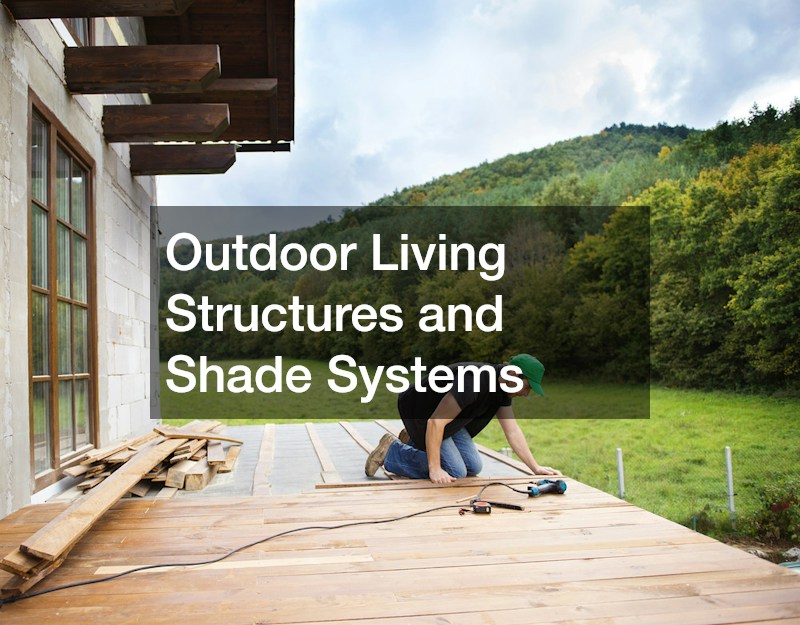
Awnings, shades, and other outdoor structures are some of the most exposed elements on a property, and high wind will test every joint and mounting bracket almost immediately. Retractable awnings, in particular, are vulnerable because their fabric acts like a sail once even a modest gust catches it at the wrong angle. Many models are only rated to withstand winds in the 20-30 mph range before manufacturers recommend retracting them, yet plenty of homeowners leave them extended overnight or during unexpected weather. These systems are designed for comfort and energy savings, but they need to be built and maintained to handle sudden gusts, not just steady breezes. Pergolas and shade sails depend on the strength of their anchoring, whether that’s concrete footings, ledger board attachments to the house, or tensioned cables, and any corrosion or loosening at those connection points becomes a serious liability under load.
Louvered roof systems and motorized screens add another layer of risk, since their moving parts and electrical components can jam or short out if wind-driven rain gets into housings that weren’t properly sealed. A storm is often the moment homeowners discover their shade structure wasn’t rated for local wind conditions. It’s worth checking manufacturer wind ratings against the actual conditions common to your area, since a structure built for a suburban lot may not hold up in a more exposed or coastal setting. Regular inspection of hardware, mounting brackets, and fabric wear can catch small failures before they turn into a collapsed pergola or a shade sail torn loose mid-storm.
Retractable awnings are especially vulnerable because their extended fabric acts like a sail when wind picks up unexpectedly. Most quality models include automatic wind sensors that retract the awning before conditions become dangerous, typically triggering somewhere around 20 to 25 mph depending on the manufacturer’s calibration. Older or manually operated units don’t have this protection, which means someone has to be home and paying attention to bring them in before a storm hits.
That gap in coverage is exactly when damage happens: a gust catches the open fabric, and the strain bends the support arms or tears the material clean off its mounting brackets. Even sensor-equipped models can fail if the sensor itself is dirty, miscalibrated, or loses power during an outage, so it’s worth testing the mechanism at the start of every season. Outdoor solar shades mounted on patios or pergolas face a similar risk, since their vertical orientation catches gusts from the side that horizontal awnings might not experience.
A shade that seems perfectly stable in a light breeze can still take a beating once wind funnels between a house and a fence line, building speed as it squeezes through the gap. Look for shades secured with side channels or cable guides rather than simple exposed brackets, since these systems keep the fabric from billowing outward and putting extra stress on the mounting hardware.
- Retract awnings and umbrellas manually the moment a storm watch is issued if you lack automatic wind sensors — most fabric awnings aren’t rated above 20-30 mph gusts
- Inspect mounting brackets, bolts, and support arms each season for rust, corrosion, or loosened hardware that could fail under wind load
- Check fabric canopies for tears, fraying seams, or stress points after any high wind event, since small tears spread quickly under further strain
- Test pergola and gazebo posts for wobble or base rot, especially where they meet concrete footings or deck surfaces
- Secure or store lightweight structures like pop-up canopies and market umbrellas entirely when winds exceed manufacturer limits
- Consider wind ratings and uplift resistance when purchasing new shade structures, prioritizing retractable or breakaway designs in storm-prone regions
Trees and Landscaping Near the Home
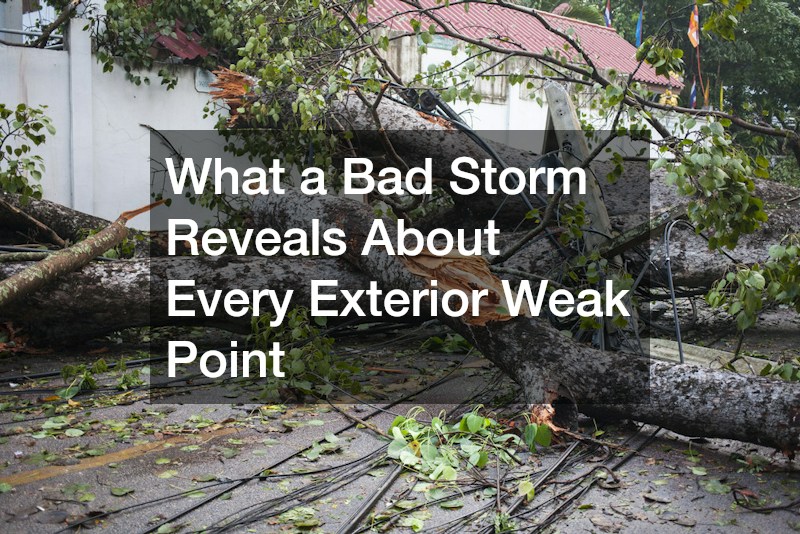
Trees are one of the most visible casualties of a bad storm, but the real risk is often invisible until branches start falling. Root systems weakened by prior drought or disease can give way suddenly under saturated soil conditions, and limbs that looked healthy can be hollow or cracked internally. Storms don’t create these weaknesses, they simply reveal how long they’d been building.
When a large limb comes down on a roof or power line, waiting for a routine landscaping appointment isn’t realistic. Emergency tree services exist specifically for these situations, offering rapid response to remove hazardous limbs and assess whether a damaged tree poses an ongoing risk to the structure or people nearby. Acting quickly after a storm can prevent a compromised tree from causing a second round of damage during the next weather event.
- Look for cracked or hanging limbs immediately after high wind
- Check for leaning that wasn’t present before the storm
- Avoid walking under visibly damaged trees until they’re assessed
- Have large trees near the home inspected annually, not just after storms
Fencing and Property Boundary Damage
Fences take a beating in storms because they’re tall, exposed, and often installed with minimal reinforcement below the frost line. Wood fences can splinter or blow over entirely, while panels that were already leaning tend to fail first since the structural integrity was compromised before the storm even arrived. A fence that survives one storm but shows new gaps or leaning posts is telling you something about its remaining lifespan.
Many homeowners rebuilding after storm damage choose to upgrade materials rather than replace like for like, and a vinyl fence supplier can walk through options that hold up better against wind and moisture than traditional wood. Vinyl doesn’t rot or splinter the way wood does, and it tends to flex slightly under wind load rather than snapping. This makes it a practical consideration for anyone in a region prone to frequent storms.
- Check posts for looseness or leaning after high wind
- Inspect gates for warping or misaligned hardware
- Look for cracked or split panels that weren’t there before
- Compare wood, vinyl, and metal options based on local wind exposure
Driveways, Walkways, and Paved Surfaces
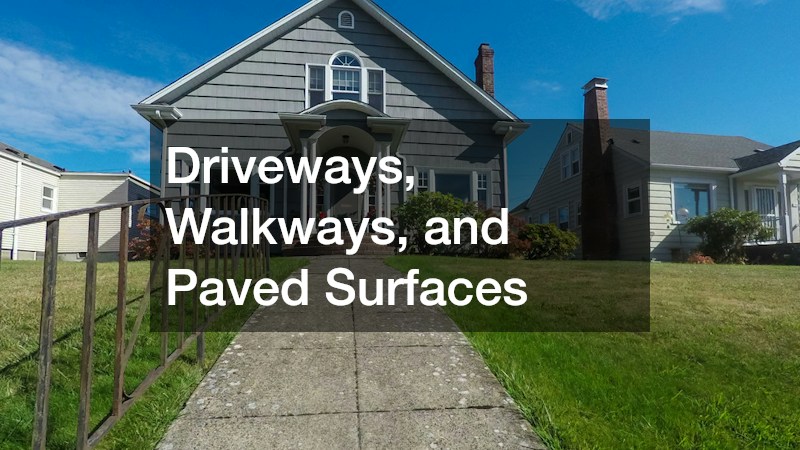
Paved surfaces don’t fail dramatically during a storm, but heavy rain and temperature swings accelerate existing cracks and weak spots. Water seeps into small fissures, then expands and contracts with freeze-thaw cycles, turning a minor crack into a pothole over just a few storm seasons. This is one of the reasons driveways seem to visibly deteriorate right after a particularly wet winter.
Asphalt paving is especially sensitive to standing water, since prolonged saturation weakens the base layer underneath even when the surface looks intact. A driveway that develops new cracks or soft spots after a storm is signaling that water has already gotten underneath, not that damage is just beginning. Addressing drainage around paved areas, such as regrading or adding a drain, can prevent repeat damage in future storms.
- Fill small cracks promptly before water works its way underneath
- Watch for pooling water that doesn’t drain within a day
- Check for soft or spongy spots that indicate base erosion
- Reseal asphalt every two to three years to extend its lifespan
Storm Shelters and Emergency Preparedness Structures
For homeowners in regions prone to severe weather, a storm doesn’t just reveal weak points in the existing structure, it also reveals gaps in emergency preparedness. Many people realize mid-storm that their safe room isn’t actually rated for the wind speeds their area regularly experiences, or that their basement isn’t accessible quickly enough during a fast-moving event. This is a hard lesson to learn in real time.
An above ground tornado shelter is a practical option for homes without basements, and modern models are engineered to withstand extreme wind loads and flying debris. These shelters can be installed in a garage, garage floor, or exterior pad, giving households a fast, reliable option when time is short. Testing your family’s plan for reaching shelter before severe weather season begins is just as important as the shelter itself.
- Confirm your shelter meets FEMA or ICC 500 wind resistance standards
- Practice reaching your shelter location in under two minutes
- Stock emergency supplies including water, flashlights, and a weather radio
- Reassess shelter needs if you’ve moved to a home without a basement
HVAC Equipment Exposed to Wind and Debris
Outdoor HVAC units are often overlooked during storm prep, yet they’re directly exposed to wind, hail, and flying debris. A unit that was already running on worn components is far more likely to suffer serious damage when a storm hits, since compromised coils, loose panels, or aging fan blades have less tolerance for sudden stress. Storms tend to finish off equipment that was already on its way out.
Scheduling commercial HVAC preventative maintenance before storm season isn’t just for businesses, and the same logic applies to residential systems that have been neglected. Regular tune-ups catch loose panels, weak electrical connections, and refrigerant issues before wind and debris turn a minor issue into a major failure. A unit that’s properly maintained is also easier to inspect quickly after a storm, since you already know its baseline condition.
- Clear debris from around outdoor units immediately after a storm
- Check for bent or damaged fins on the condenser coil
- Have electrical connections inspected if the unit was exposed to flooding
- Schedule seasonal maintenance before peak storm months arrive

Interior Finishes Affected by Exterior Failures
When exterior systems fail, the damage doesn’t stop at the wall. Roof leaks, window seal failures, and flooding around the foundation can all work their way inside, often showing up first in unexpected places like cabinetry or countertops. Water damage to interior finishes is frequently the most expensive part of storm recovery, even though it started with an exterior problem.
Kitchen countertops near exterior walls or windows can suffer warping or staining if water infiltrates through a compromised seal during a bad storm. Natural stone and laminate react differently to moisture exposure, so identifying the source of a leak quickly matters as much as fixing the exterior cause. Addressing the exterior weak point first prevents the same interior damage from recurring after the next storm.
- Check under sinks and near exterior walls for signs of moisture after storms
- Inspect window and door seals if interior water stains appear
- Address exterior leaks before repairing interior finishes to avoid repeat damage
- Monitor humidity levels indoors following major water intrusion
A bad storm is unpleasant, but it’s also one of the most honest inspections your home will ever get. Every weak point it exposes, from the roof down to the driveway, is a chance to make a targeted improvement rather than a costly emergency repair later. Walking your property after the next storm with this list in hand can help you catch small issues before they become the headline of the next one. Taking action now, while the damage is fresh and visible, puts you in a much stronger position when severe weather returns.