Staring up at a stained ceiling or a handful of missing shingles, most homeowners face the same nagging question: is this a quick fix, or the start of something bigger? Making the wrong call can mean wasted money on repeated patch jobs or, worse, unnecessary spending on a full tear-off you didn’t actually need. The good news is that there are clear, practical ways to evaluate your roof’s condition before committing to either option. This guide walks you through the signs, costs, and decision points that will help you choose the right path with confidence.
Recognizing the Early Warning Signs
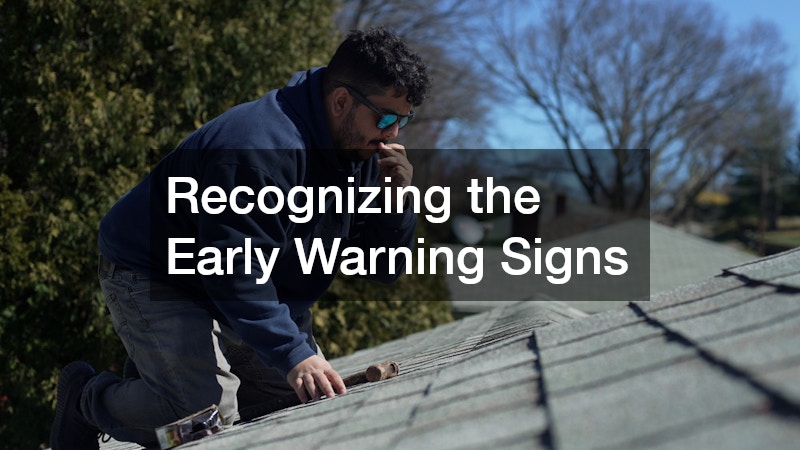
Roof problems rarely appear out of nowhere. Most start small, with subtle clues that are easy to miss if you’re not looking for them—things like a few missing granules in the gutter, a curling shingle edge, or a faint water stain on the ceiling.
Other early indicators include shingles that look cracked or blistered, dark streaks that suggest algae growth, and daylight peeking through the attic boards. Soft or spongy spots on the roof deck, rusty flashing around chimneys and vents, and higher-than-usual energy bills can also signal that moisture or air is escaping where it shouldn’t.
Catching these signs early usually means catching the problem while it’s still contained to one area. A quick inspection twice a year—ideally in spring and fall—can help you spot trouble before the next big storm makes it worse. The difference in cost is significant: a simple patch might run a few hundred dollars, while ignoring the same issue for a year or two can snowball into a full replacement costing thousands.
- Curling, cracked, or missing shingles in isolated areas (usually 5-10 shingles per section, not spread across the whole roof) — a repair-friendly pattern often caused by localized wind damage or a single failed shingle batch
- Granules collecting in gutters or at the base of downspouts, especially after heavy rain or wind, resembling coarse black or grey sand; a handful after a storm is normal, but steady accumulation every time it rains signals accelerated wear
- Small water stains on ceilings or upper walls, often a yellowish-brown ring no bigger than a dinner plate, usually pointing to a single pinpoint leak rather than widespread decking failure
- Daylight visible through the attic boards, most easily spotted near the ridge or where the roof meets the chimney, best checked on a sunny day with the attic lights off
- Soft or spongy spots when walking on the roof, a sign that the decking underneath may be absorbing moisture, often felt as a slight give underfoot rather than a solid, firm surface
- Shingle edges that look rounded or “cupped” rather than flat, indicating early UV and heat damage, typically most visible on the roof’s south- or west-facing slopes
- Flashing around chimneys, vents, or skylights that’s rusted, bent, or pulling away from the surface, which can let water seep in even when the shingles themselves are still in good shape
- Minor granule loss showing as bald or discolored patches, typically less than 10% of the total roof area, giving the shingle a shiny or smoother appearance where the protective coating has thinned
- Nail pops or exposed fasteners poking through shingles, often caused by natural roof settling rather than a systemic installation problem
How Roof Age Factors Into the Decision
The age of your roof is one of the biggest indicators of whether a repair will actually hold. Asphalt shingle roofs typically last 20 to 25 years, while materials like metal or tile can stretch beyond 40 years with proper care. If your roof is nearing the end of its expected lifespan, a patch might only buy you a year or two before another issue pops up somewhere else.
This is often where a conversation with a residential roofing company becomes useful, even if you’re not ready to commit to anything yet. A knowledgeable inspector can tell you how much life is realistically left in your existing materials. That information alone can save you from throwing money at a roof that’s simply worn out.
When a Patch Job Makes Sense
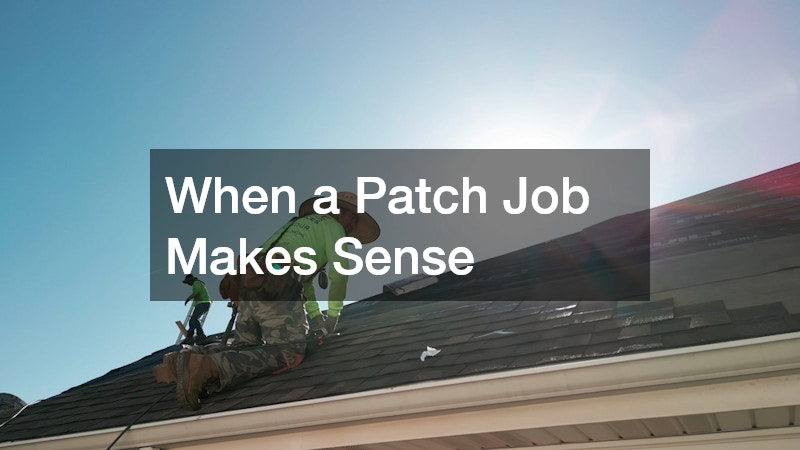
Patching is the right call when the damage is localized, recent, and the surrounding roofing material is still in good shape. A single damaged section from a fallen branch, a small leak around a vent pipe, or a few cracked shingles after a storm are classic patch scenarios. In these cases, targeted roofing repair and installation work can resolve the issue quickly without disturbing the rest of the roof.
A good rule of thumb: if the affected area covers less than 25-30% of the total roof surface, and the roof itself is under 10-15 years old, patching is usually the more sensible option. Other good candidates include missing shingles after high winds, minor flashing damage around chimneys, or isolated granule loss that hasn’t yet led to water intrusion.
Cost and timing also matter. A patch job typically takes a few hours to a day, while a full replacement can take several days to weeks depending on the size of the home. If your roof is otherwise structurally sound and you’re simply addressing an isolated issue, patching lets you avoid a much larger expense while still restoring protection.
That said, patching only makes sense if the underlying decking is dry, free of rot, and the shingles around the repair area aren’t already brittle or curling. A skilled contractor performing roofing repair and installation will inspect adjacent sections before committing to a patch, since fixing one spot while ignoring early signs of wider deterioration can lead to repeat repairs within a year or two.
- Isolated leaks with no signs of spreading damage, water stains, or sagging in the surrounding decking
- Roofs under 15 years old with a strong overall structure and no widespread wear on shingles
- Minor storm damage affecting less than 10 percent of the surface, such as a handful of cracked or missing shingles
- Flashing issues around chimneys, skylights, or vents, where the underlying roof material is otherwise sound
- Cosmetic granule loss without underlying deterioration, often visible in gutters but not affecting shingle performance
- A single problem area rather than multiple failure points scattered across the roof
- Budget constraints where a full replacement isn’t financially feasible right now and a patch can safely buy several more years
Signs That Point to Full Replacement
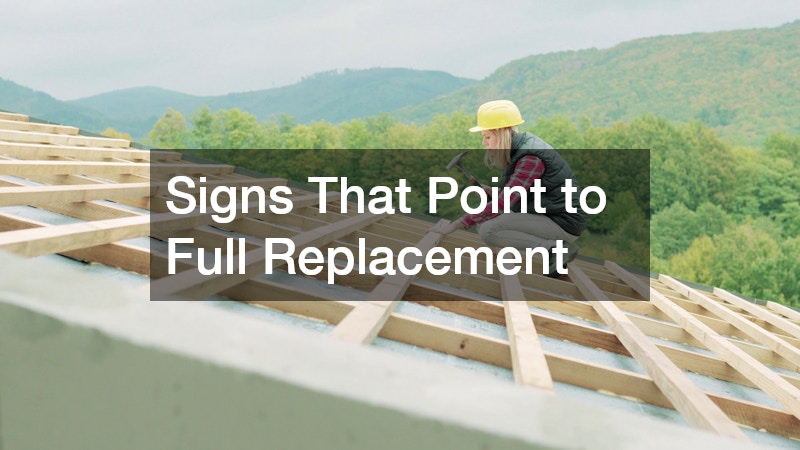
Sometimes the damage is too widespread or too deep for a patch to make sense. If leaks are showing up in multiple rooms, if shingles are curling or losing granules across large sections, or if the decking underneath is soft, spongy, or rotting, you’re likely looking at a full roof replacement service rather than another temporary fix. Sagging rooflines and daylight visible through the attic boards are also strong indicators that the structure itself has been compromised.
Age matters too. Most asphalt shingle roofs are rated for 20 to 25 years, and once a roof passes that mark, materials become brittle and lose their ability to seal properly, even after repairs. If your roof is nearing or past its expected lifespan, patching may only buy a few months before another issue crops up.
Repeated repairs on an aging roof can also be a red flag that the whole system is breaking down. If you’ve called out a contractor two or three times in the past year for different leaks or storm damage, the cost of ongoing patchwork often starts to outweigh the cost of replacement. In these cases, a full roof replacement service typically offers better long-term value, stronger warranties, and peace of mind that you won’t be revisiting the same problem next season.
Once several of these warning signs appear together, homeowners often start comparing quotes for local roof replacements to understand what a full project would actually cost. This is a smart move, since pricing can vary significantly based on materials, roof size, and the complexity of the job. A basic asphalt shingle replacement on an average single-story home might run a few thousand dollars less than a metal or tile roof of the same size, so knowing your options matters.
When requesting estimates, ask contractors to break down costs for tear-off, materials, underlayment, flashing, and labor separately. This makes it easier to compare bids apples-to-apples, since one quote might bundle everything while another itemizes each step. It also helps you spot corners that might be cut to offer a lower price.
Getting a clear picture upfront helps you plan financially instead of being surprised later. It also gives you leverage to negotiate financing options, timing the project around your budget, or even deciding whether minor repairs can realistically buy you another year or two before replacement becomes unavoidable.
- Multiple active leaks in different areas of the home, especially if they appear after moderate rather than severe storms
- Sagging rooflines or visible structural dips, which often signal decking or rafter damage underneath
- Widespread shingle curling, cracking, or granule loss across most of the roof, not just one slope or section
- Roof age exceeding 20 to 25 years for asphalt shingles, or 15 to 20 years in harsh climates with heavy sun or snow
- Repair costs approaching 50 percent of replacement cost, since patch jobs at that point rarely add long-term value
- Daylight visible through the attic roof boards, indicating gaps or rot in the underlying structure
- Recurring mold, mildew, or musty odors in the attic despite previous repair attempts
- Frequent granules collecting in gutters, a sign the shingles are breaking down faster than they can be patched
Weighing the Real Costs of Each Option
Cost is often the deciding factor for many homeowners, and it’s worth looking at both the short-term and long-term numbers. A patch might cost a few hundred dollars, while a full replacement can run into the thousands depending on your home’s size and roofing material. It’s tempting to always choose the cheaper option, but repeated patches on a failing roof can add up to more than a single replacement over time.
Getting quotes from a few different roofing contractors is one of the best ways to understand your true options. Reputable contractors will inspect the roof thoroughly and explain why they recommend one approach over another, rather than pushing the most expensive service. Ask for a written estimate that breaks down materials, labor, and any additional work like decking repair.
- Request itemized estimates, not just a single lump sum
- Ask about warranty coverage for both repairs and replacements
- Compare material options and their expected lifespans
- Factor in potential energy savings from newer roofing systems
Understanding the Insurance Angle
Storm damage, hail, and fallen trees can sometimes qualify for coverage under your homeowners policy, which changes the financial equation significantly. If a covered event caused the damage, filing a roof replacement insurance claim may reduce your out-of-pocket cost substantially, sometimes covering the full cost of a new roof minus your deductible. Most policies distinguish between “actual cash value” and “replacement cost” coverage, and knowing which one you have will affect how much you’re reimbursed and when.
It’s important to document damage with photos and video immediately after a storm and before any repairs begin, since insurers rely heavily on this evidence. Capture wide shots of the entire roof as well as close-ups of individual dents, cracks, or missing shingles, and note the date and time of the storm if possible. Keep any receipts for temporary repairs, like tarps, since many policies reimburse emergency measures taken to prevent further damage.
Timing matters too. Many insurers require claims to be filed within a specific window, often 6 to 12 months after the storm, so delaying can jeopardize your eligibility. It’s also worth getting a professional roof inspection soon after damage occurs, since a contractor’s assessment can support your claim and help you avoid underestimating the scope of repairs needed.
Finally, consider having a roofing contractor meet with the insurance adjuster during the inspection. Adjusters don’t always catch every issue, especially with hidden damage under shingles or flashing, and a contractor’s input can help ensure the settlement reflects the true cost of repair or replacement.
Not all damage qualifies, and insurers often distinguish between sudden events—like hail, wind, or a fallen tree branch—and gradual wear caused by age or lack of maintenance. The latter is typically classified as a “maintenance issue” and excluded from coverage, since policies are designed to protect against unexpected events, not the natural lifespan of your roof. Reading your policy carefully, or asking your agent directly, will clarify what’s covered before you start the claims process.
Pay close attention to how your policy handles depreciation. Actual Cash Value (ACV) policies factor in your roof’s age and pay out less than Replacement Cost Value (RCV) policies, which cover the full cost of repairs regardless of depreciation.
Many homeowners are surprised to learn that partial roof damage from a single storm can sometimes justify a full replacement if matching materials are no longer available. Insurers may also approve full replacement if repairs to one section would compromise the integrity or warranty of the surrounding, undamaged roofing.
Finding the Right Professional for an Inspection
Whether you’re leaning toward a patch or suspect you need something more extensive, a professional inspection removes the guesswork. Searching for local roofers in your area gives you access to people who understand regional weather patterns, common local materials, and building codes specific to your community. A good inspector will check not just the surface but also the attic, flashing, and gutter system for hidden issues.
It also helps to look into local roofing services with strong reviews and a track record of honest assessments. Ask whether they offer free inspections, how long they’ve been in business, and whether they provide references from past clients. A trustworthy inspector will explain their findings clearly rather than immediately pushing for the most expensive option.
- Check for proper licensing and insurance coverage
- Read recent customer reviews, not just overall star ratings
- Ask how they document damage during inspections
- Confirm whether estimates are free or come with a fee
The Role of Gutters in Roof Health
Your roof doesn’t work in isolation, and your gutter system plays a bigger role in roof longevity than most people realize. Clogged or damaged gutters can cause water to back up under shingles, leading to rot and leaks that mimic roofing problems but actually stem from drainage issues. Investing in seamless gutters can reduce the risk of leaks at the seams, which are a common weak point in older gutter systems.
Regular maintenance through professional gutter services keeps water flowing away from your home’s foundation and roofline as intended. Many roofing companies now offer combined inspections that cover both the roof and gutter system in a single visit. This integrated approach can catch small drainage issues before they turn into costly roof repairs.
- Clean gutters at least twice a year, more often near trees
- Check for sagging sections or separated joints
- Install gutter guards to reduce debris buildup
- Ensure downspouts direct water well away from the foundation
Making a Confident Final Decision
Once you’ve gathered inspection reports, cost estimates, and insurance information, the decision usually becomes clearer. If the damage is limited, recent, and your roof still has years of life left, patching is a reasonable and cost-effective choice. If the damage is widespread, your roof is aging, or repair costs are creeping close to replacement pricing, a full replacement is typically the smarter long-term investment.
Trust the data you’ve collected rather than making a decision based on fear or urgency alone. Take time to review multiple opinions if the first assessment feels rushed or unclear. A well-informed decision now can save you significant stress and money over the next decade.
Deciding between a patch and a full roof replacement doesn’t have to feel overwhelming once you understand what to look for. Start by documenting visible damage, checking your roof’s age, and getting at least two professional inspections to compare recommendations. From there, weigh the costs, insurance options, and long-term value of each approach before making your final call. Taking these steps ensures you protect your home without spending more than necessary.