Highlights
-
Rapid Escalation: Plumbing faults can quickly transform from a minor nuisance into structural disaster if not addressed immediately by a professional.
-
Structural Safety: Uncontrolled internal flooding weakens building foundations, destroys structural plasterboard, and ruins premium flooring within mere hours.
-
Health Hazards: Sewage backups introduce dangerous biohazards, blackwater contamination, and rapid mould growth into domestic living spaces.
-
Asset Protection: Fast intervention from a licensed 24/7 specialist mitigates long-term repair costs and safeguards your home insurance eligibility.
-
Gas Vulnerabilities: Intermittent hot water faults or strange smells often signal dangerous gas system failures that present severe household risks.
-
Financial Exposure: Delaying emergency plumbing assistance drives up water utility bills whilst exponentially compounding the cost of secondary property restoration.
What defines a true plumbing emergency in Australian homes?
Navigating these stressful events successfully requires homeowners to act decisively within the first hour of discovering a fault. Delaying your call to an emergency provider out of fear of weekend rates frequently backfires, as insurers may deny claims if they find the homeowner failed to take reasonable steps to limit the damage. Understanding the clear visual and acoustic warnings of severe system failure is your best line of defence against catastrophic structural damage and massive restoration bills.
Why is an uncontrollable burst pipe considered an immediate crisis?
An uncontrollable burst pipe is an immediate crisis because it can discharge thousands of litres of pressurized water into your home’s structural framing within minutes, causing rapid, irreversible property damage. Structural building assessments from Your Home (Australian Government) show that water ingress quickly warps timber studs, degrades internal plasterboard, and creates toxic breeding grounds for black mould within 24 to 48 hours. When a main water pipe fails behind a cavity wall or underneath floorboards, simply placing a bucket underneath the drip is entirely useless; the sheer volume of water will quickly saturate building foundations and compromise the structural integrity of your home.
Immediate Practical Steps When a Pipe Bursts
-
Main Isolation: Instantly turn off your property’s main water meter, which is typically located near your front boundary line, to stop the flow of pressurised water.
-
Electrical Safety: Shut down the main power switches at your property’s electrical switchboard if water ingress enters wall cavities near power outlets or light fittings.
-
Drain the Lines: Open the lowest hot and cold garden taps on your property to drain any remaining residual water out of the internal pipe network safely.
-
Clear the Area: Move high-value furniture, electronic items, and floor rugs away from the active flood zone to limit secondary water damage whilst awaiting the plumber.
How do sewage backups threaten household health and safety?
Attempting to clear a severe sewage blockage using domestic plungers or chemical drain cleaners is completely ineffective against deep, structural line failures. If you notice wastewater gurgling up into your shower recess when you flush the toilet, or if multiple drains overflow simultaneously, your main sewer line is completely compromised. This scenario requires an emergency professional equipped with specialised hydro-jetting equipment and drain cameras to clear the blockage and restore hygienic waste removal immediately.
Why should a complete loss of hot water or gas smell trigger an emergency call?
A complete loss of hot water or a noticeable gas smell should trigger an emergency call because these symptoms often point to dangerous system pressure build-ups, electrical short-circuits, or hazardous gas leaks that threaten household safety. A failing hot water system can suddenly leak massive amounts of scalding water if its pressure relief valve fails, creating a severe burn hazard and room flooding. More critically, if your property relies on gas for hot water or cooking and you detect a distinctive rotten-egg odour, you are facing an active fuel leak that could result in an explosion or fire if exposed to an ignition source.
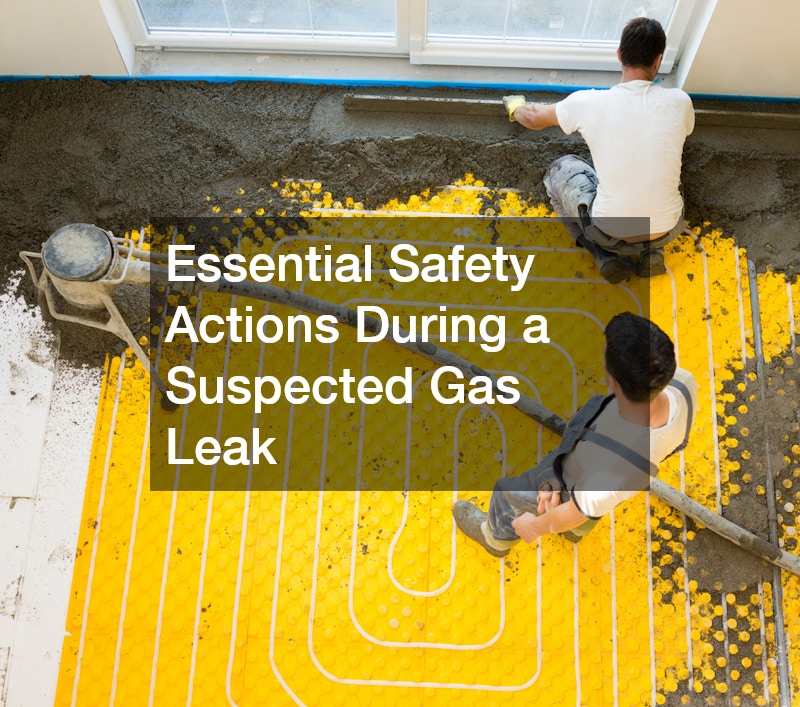
Essential Safety Actions During a Suspected Gas Leak
-
Isolate Supply: Turn off the main gas valve located at your gas meter or LPG cylinder storage unit immediately to stop the flow of fuel.
-
Ventilate Property: Open all external doors and windows wide to let fresh air disperse any concentrated gas build-ups inside the home.
-
Extinguish Flames: Eliminate all open flames, cigarettes, and pilot lights immediately, and avoid operating any electrical switches or appliances.
-
Evacuate and Call: Move all family members and pets outside to a safe distance on the street before making your emergency call to a licensed gasfitter.
Conclusion
Recognising the critical signs that demand an emergency plumber is the single most important factor in protecting your Australian home from devastating water damage, biohazard contamination, and structural degradation. Whether you are dealing with a raging burst pipe, a hazardous sewage backup, or a dangerous hot water gas fault, attempting to delay professional repairs will only compound your final restoration costs. Licensed emergency plumbers operate 24/7 to provide the immediate, high-pressure diagnostics and heavy-duty repairs required to stabilise your property and keep your family completely safe. Investing in rapid, professional intervention ensures your home’s vital utility infrastructure remains compliant with strict Australian standards whilst safeguarding your financial peace of mind. When plumbing infrastructure fails, acting within the first few minutes can mean the difference between a simple pipe repair and a massive, months-long structural rebuild.