Your roof is one of the most important parts of your home, yet it is often the most overlooked. Many homeowners don’t think about their roof until something goes wrong—whether it’s a leak during a storm, missing shingles after high winds, or signs of aging that suddenly become impossible to ignore. Because roofing systems are designed to last for many years, it’s easy to assume everything is functioning properly until visible damage appears.
This guide is designed to help homeowners better understand common roofing problems, what causes them, and how professionals typically address them. By learning about the warning signs and solutions, homeowners can make informed decisions that protect their property, improve safety, and maintain the long-term value of their home.
Recognizing Early Signs of Roof Damage
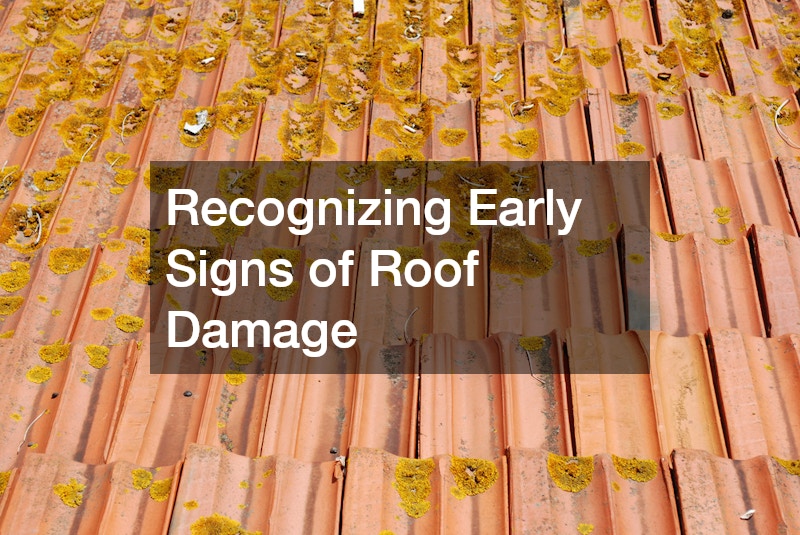
Visible Exterior Damage
One of the easiest ways to identify roofing problems is by examining the outside of the roof from ground level. Missing shingles, cracked tiles, and warped surfaces are clear indicators that something may be wrong. Over time, weather exposure can cause roofing materials to deteriorate, leaving them vulnerable to leaks.
Homeowners who notice these issues should consider scheduling professional roof repair services to prevent further damage. Addressing visible problems early often prevents structural deterioration and costly interior repairs.
Interior Warning Signs
Not all roofing problems appear outside the home. Interior signs such as water stains on ceilings, peeling paint near rooflines, or mold growth in the attic can signal hidden leaks. These issues often develop slowly and may go unnoticed for months.
Regular inspections of attic spaces and ceilings can help homeowners detect moisture problems before they escalate.
Storm Damage Indicators
Severe weather can significantly impact roofing systems. High winds may loosen shingles, hail can cause dents or cracks, and heavy rain can expose weak spots. After major storms, homeowners should inspect their roof for new damage.
If problems are discovered, contacting professionals who specialize in roof repair services can ensure that storm-related issues are addressed quickly and effectively.
Aging Roofing Materials
Even well-maintained roofs have a limited lifespan. Asphalt shingles, for example, typically last around 20–25 years, while other materials may last longer. As roofing materials age, they become less resistant to environmental stress.
Routine inspections help homeowners identify aging components before they fail completely.
Understanding Different Roofing Systems
Traditional Sloped Roof Designs
Many homes use sloped roof systems because they effectively shed rain and snow. These designs rely on layered materials that guide water away from the home’s structure. When installed properly, sloped roofs provide reliable protection for decades.
Homeowners often work with experienced local roofing contractors to determine which materials are best suited for their climate and architectural style.
Low-Slope and Flat Structures
Some homes and modern architectural designs feature flat roofing systems. While these roofs appear flat, they usually have a slight slope that allows water to drain.
Flat roofing systems require specialized materials and installation techniques. Proper drainage and sealing are essential to prevent standing water and leaks.
Layered Roofing Components
Roofing systems consist of multiple layers that work together to protect the home. These layers may include underlayment, insulation, flashing, and the outer protective material. Each layer plays an important role in preventing moisture from entering the structure.
When any component fails, it can compromise the entire roofing system.
Choosing the Right Roofing System
Selecting the right roofing design depends on factors such as climate, budget, and long-term maintenance needs. Homeowners who consult knowledgeable local roofing contractors often gain valuable insight into the best options for their property.
Professional guidance ensures that the chosen system provides durability and reliable protection.
Common Causes of Roofing Problems
Weather Exposure
Weather is one of the leading causes of roofing damage. Constant exposure to sunlight, rain, wind, and temperature changes gradually wears down roofing materials. Over time, this exposure can cause cracking, warping, and loss of protective coatings.
Routine inspections help identify weather-related damage before it worsens.
Poor Installation Practices
Improper installation can significantly reduce the lifespan of a roof. When materials are not installed correctly, water can penetrate vulnerable areas and cause hidden structural damage.
Working with reputable residential roofing companies ensures that installation standards are followed and that materials are properly secured.
Lack of Routine Maintenance
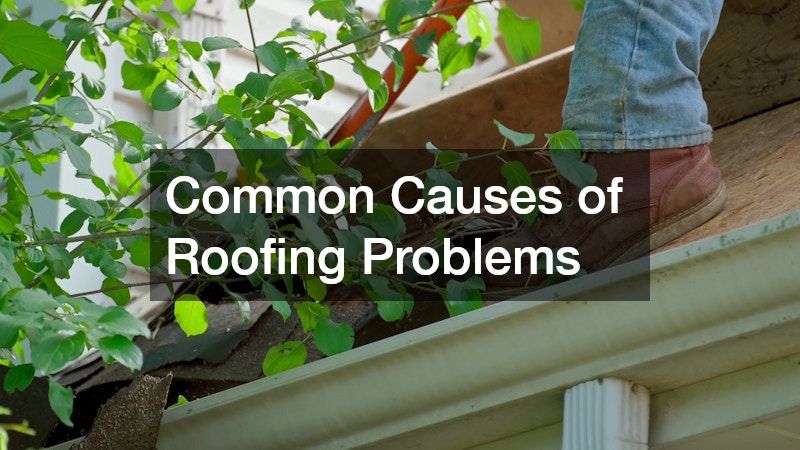
Many roofing problems develop simply because routine maintenance is neglected. Leaves, debris, and clogged gutters can trap moisture and accelerate material deterioration.
Scheduling periodic inspections with residential roofing companies can help detect minor issues before they become major repairs.
Structural Movement
Homes naturally settle over time, which can place stress on roofing systems. Structural movement may cause flashing to loosen or seams to separate, creating opportunities for water infiltration.
Monitoring these changes helps homeowners address potential risks early.
When Repairs Are No Longer Enough
Signs Repairs May Not Be Effective
While minor damage can often be repaired, some roofing issues require more extensive solutions. When leaks become frequent or large sections of the roof show deterioration, repairs may only provide temporary relief.
At this stage, homeowners may need to explore options for roof replacements to restore the roof’s integrity.
Extensive Structural Damage
Water damage that spreads to decking or support structures can compromise the entire roof system. When this occurs, replacing damaged components may be necessary to ensure safety.
Professionals performing roof replacements typically inspect the underlying structure to determine the extent of the damage.
Aging Roof Systems
Older roofs nearing the end of their lifespan may experience repeated failures. Even after repairs, problems may continue to appear in new areas.
Investing in roof replacements can provide long-term protection and improve the overall reliability of the roofing system.
Energy Efficiency Considerations
Modern roofing materials often provide improved insulation and energy efficiency. When homeowners choose roof replacements, they may also benefit from better temperature regulation and reduced energy costs.
Choosing the Right Professionals for the Job
Researching Qualified Roofing Specialists
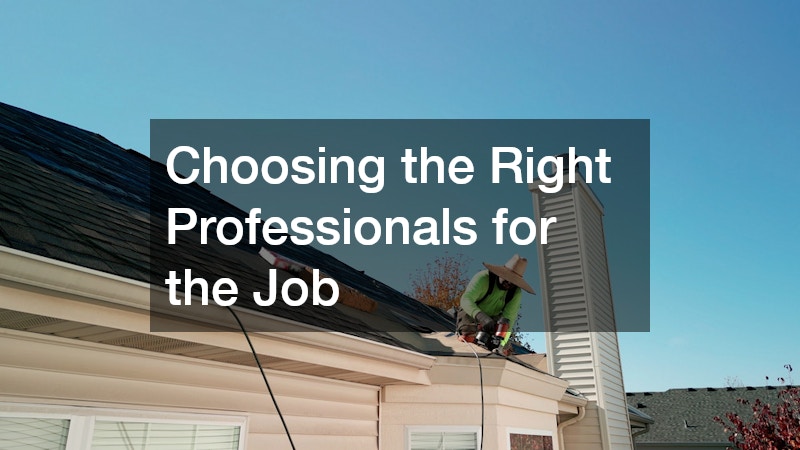
Hiring experienced professionals is one of the most important steps in any roofing project. Homeowners should research contractors, verify credentials, and read customer reviews before making a decision.
Working with reputable reroofing contractors ensures that the job is completed safely and according to industry standards.
Comparing Estimates and Services
Before committing to a roofing project, it is wise to gather multiple estimates. Comparing costs, materials, and timelines helps homeowners understand what each contractor offers.
Reliable reroofing contractors will provide detailed proposals that clearly outline the scope of work.
Verifying Licenses and Insurance
Professional roofing companies should carry proper licenses and insurance coverage. This protects both the contractor and the homeowner in case of accidents or unexpected issues during the project.
Checking these credentials ensures peace of mind throughout the process.
Understanding Project Timelines
Roofing projects vary in length depending on the size of the home and the complexity of the work. Discussing project timelines with reroofing contractors helps homeowners plan accordingly and minimize disruptions.
Planning a New Roofing Project
Preparing for a Major Home Upgrade
When a roof has reached the end of its lifespan or has sustained significant damage, homeowners may begin planning for a major upgrade. Preparing for this type of project involves understanding the scope of the work and evaluating available material options.
Professional roof installations often begin with a detailed inspection that allows contractors to determine the structure’s needs and recommend suitable materials.
Evaluating Material Options
Roofing materials vary widely in terms of durability, appearance, and cost. Asphalt shingles remain a common option for many homeowners, but other materials may offer longer lifespans or unique aesthetic benefits.
During roof installations, contractors may present several material choices based on the home’s architectural style and the region’s climate conditions.
Budgeting for the Project
Budget planning plays a major role in roofing decisions. Homeowners must consider the cost of materials, labor, permits, and potential structural repairs.
Reliable contractors performing roof installations typically provide detailed estimates so homeowners can plan their investment with confidence.
Scheduling the Work
Roofing projects are usually scheduled around weather conditions and contractor availability. Planning ahead allows homeowners to avoid seasonal delays and ensures that the work can be completed efficiently.
Clear communication with the installation team helps prevent scheduling conflicts and keeps the project on track.
Understanding Roofing Work for Businesses and Large Buildings
Differences Between Residential and Commercial Roofing
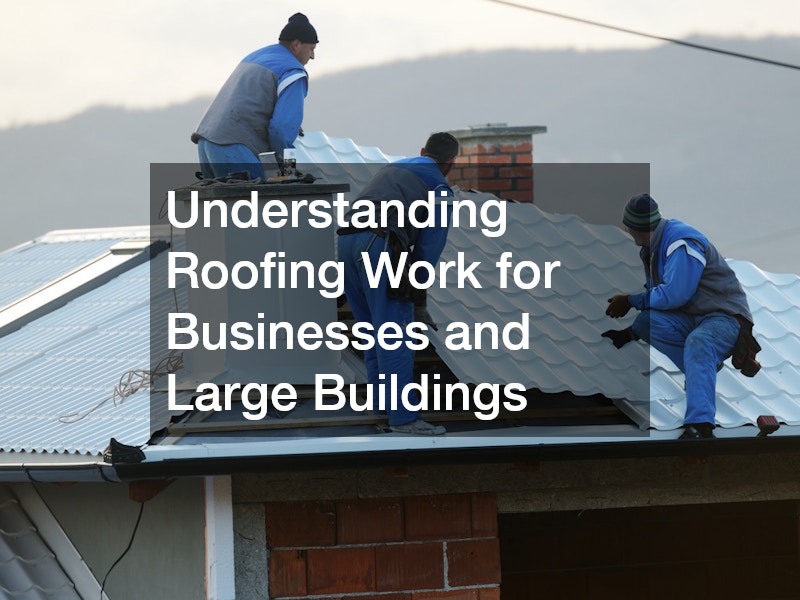
While residential roofing systems focus on homes, larger buildings require different materials and installation methods. Commercial properties often have larger roof surfaces and unique structural requirements.
Experienced commercial roofers understand these differences and use specialized techniques to address them effectively.
Maintenance Needs for Large Roof Systems
Large buildings often require regular inspections and preventative maintenance to prevent costly issues. Small leaks or drainage problems can quickly expand when left unaddressed.
Professional commercial roofers typically develop maintenance plans that help property owners protect their investment and extend the lifespan of their roof.
Drainage and Structural Considerations
Many business buildings rely on low-slope or flat roofing systems that require careful drainage planning. Improper drainage can lead to standing water and structural stress.
Commercial roofers often focus on improving drainage systems and reinforcing vulnerable areas to prevent long-term damage.
Energy Efficiency for Large Properties
Energy efficiency has become an important factor for many building owners. Roofing systems can play a role in regulating interior temperatures and reducing energy consumption.
Modern roofing materials and coatings can help reflect heat and improve building performance over time.
Navigating Insurance and Storm Damage Claims
Assessing Damage After Severe Weather
Storms, hail, and high winds can cause extensive roof damage. After severe weather events, homeowners should inspect their property and document any visible issues.
Professionals known as insurance claim roofers often assist homeowners in evaluating storm damage and determining whether an insurance claim may be appropriate.
Documenting Roofing Damage
Proper documentation is essential when filing an insurance claim. Photographs, inspection reports, and repair estimates help support the claim and demonstrate the extent of the damage.
Insurance claim roofers often work with homeowners to gather the necessary information needed for the claims process.
Working with Insurance Adjusters
Insurance adjusters typically evaluate the property to determine coverage and compensation. Clear communication between homeowners, contractors, and adjusters helps streamline the process.
Experienced insurance claim roofers can help explain roofing damage and ensure that necessary repairs are accurately represented.
Completing Repairs After Claim Approval
Once a claim is approved, repairs or replacement work can begin. Contractors then focus on restoring the roof to its original condition or upgrading it with modern materials.
Timely repairs are essential to prevent further structural damage to the home.
Exploring Durable Roofing Materials
Benefits of Long-Lasting Materials
Choosing durable roofing materials can provide long-term protection and reduce maintenance costs. Homeowners often consider options that offer strength, longevity, and visual appeal.
Among the popular choices today is metal roofing, which is known for its durability and resistance to extreme weather conditions.
Weather Resistance and Performance
Certain roofing materials perform better in harsh environments. Some materials can withstand strong winds, heavy rain, and intense sunlight without deteriorating quickly.
Metal roofing is often selected in regions prone to severe weather because of its ability to resist corrosion and structural damage.
Longevity and Sustainability
Durability is an important factor when selecting roofing materials. Some roofing options can last significantly longer than traditional materials, reducing the need for frequent replacements.
Metal roofing can often last several decades with proper installation and maintenance, making it a long-term investment for homeowners.
Design and Aesthetic Options
Modern roofing materials are available in a wide variety of styles and colors. Homeowners can choose options that complement the architectural design of their home.
Advancements in metal roofing have made it possible to achieve both durability and aesthetic flexibility.
Preventative Maintenance for Long-Term Roof Health
Scheduling Routine Inspections
Preventative maintenance plays a key role in protecting a roof from unexpected failures. Regular inspections allow professionals to identify minor issues before they become major structural problems.
Homeowners who schedule annual inspections often avoid costly emergency repairs.
Keeping Gutters and Drainage Systems Clear
Clogged gutters and blocked drainage systems can lead to water accumulation on the roof. Over time, standing water may weaken roofing materials and increase the risk of leaks.
Maintaining clean gutters and proper drainage ensures water flows away from the structure efficiently.
Addressing Small Issues Quickly
Small cracks, loose shingles, or damaged flashing should never be ignored. Minor issues can quickly worsen when exposed to weather conditions.
Prompt repairs help maintain the structural integrity of the roofing system.
Extending the Lifespan of the Roof
Consistent maintenance, professional inspections, and timely repairs can significantly extend the life of a roofing system. By investing in preventative care, homeowners can protect their property and avoid expensive repairs in the future.
Understanding roofing issues is an essential part of responsible homeownership. A roof protects the structure of a home, safeguards belongings, and contributes to overall safety and comfort. When problems arise, recognizing the early warning signs and taking timely action can make a significant difference in preventing more serious damage.
By staying informed and attentive, homeowners can ensure that their roof continues to provide reliable protection for many years to come.