Key Takeaways
- Asphalt shingles, metal, tile, and slate all have vastly different lifespans, so the material on your home largely dictates when you should start planning for a new one.
- Climate, ventilation, installation quality, and routine maintenance can shorten or extend a roof’s expected service life by a decade or more.
- Visible warning signs like curling shingles, granule loss, sagging, and interior leaks often indicate the covering is near the end of its useful life.
- Costs vary widely based on square footage, materials, pitch, and regional labor rates, making detailed quotes essential before committing.
- Choosing between repair, restoration, and a full tear-off requires weighing short-term savings against long-term performance and energy efficiency.
- Modern materials and improved underlayments can boost curb appeal, insulation value, and storm resistance compared with older systems.
- Scheduling inspections every one to two years helps homeowners catch small problems before they become expensive emergencies.
Your roof does more than keep rain off your head. It shields your insulation, protects your framing, moderates your energy bills, and plays a surprisingly large role in your home’s resale value. Yet most homeowners rarely think about it until something drips through the ceiling.
That’s a costly habit. Waiting until failure often means dealing with water damage, mold, and rushed decisions made under pressure. Planning ahead, on the other hand, gives you time to compare materials, interview contractors, and budget without panic.
So the real question isn’t just when the shingles will give out. It’s how to weigh different materials, climates, and strategies so you make the smartest long-term call for your specific home.
How Long Do Different Roofing Materials Really Last?
Not all roofing systems age the same way. A cedar shake roof in Arizona will behave very differently from one in coastal Maine, and a metal panel system will outlast most asphalt products by decades. Climate exposure, roof pitch, attic ventilation, and even the color of your shingles all influence how quickly a material degrades. A dark roof in a hot southern climate, for example, can lose years off its expected lifespan simply because of sustained thermal cycling. Understanding typical lifespans gives you a baseline for planning, but it’s only the starting point for figuring out how often should a roof be replaced in your specific situation.
Here’s a general comparison of common materials and their expected service lives:
- Asphalt three-tab shingles: 15 to 20 years
- Architectural asphalt shingles: 25 to 30 years
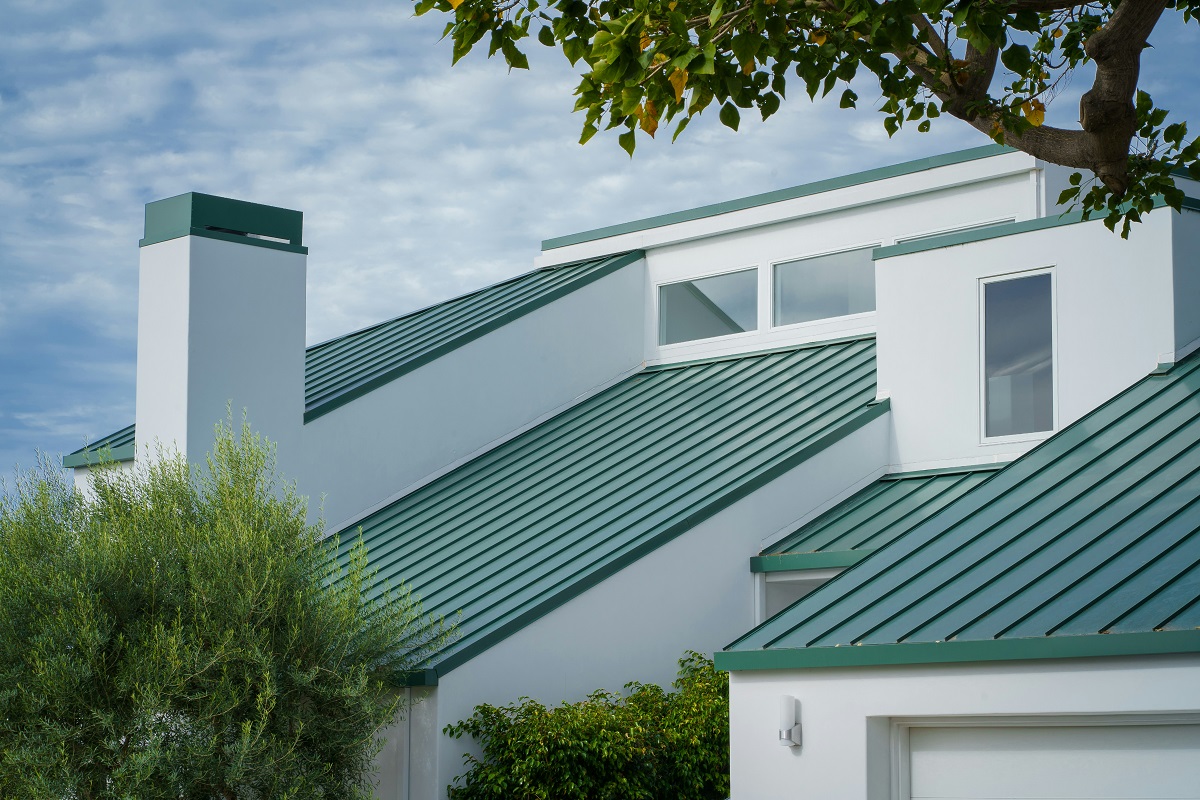
- Standing seam metal: 40 to 70 years
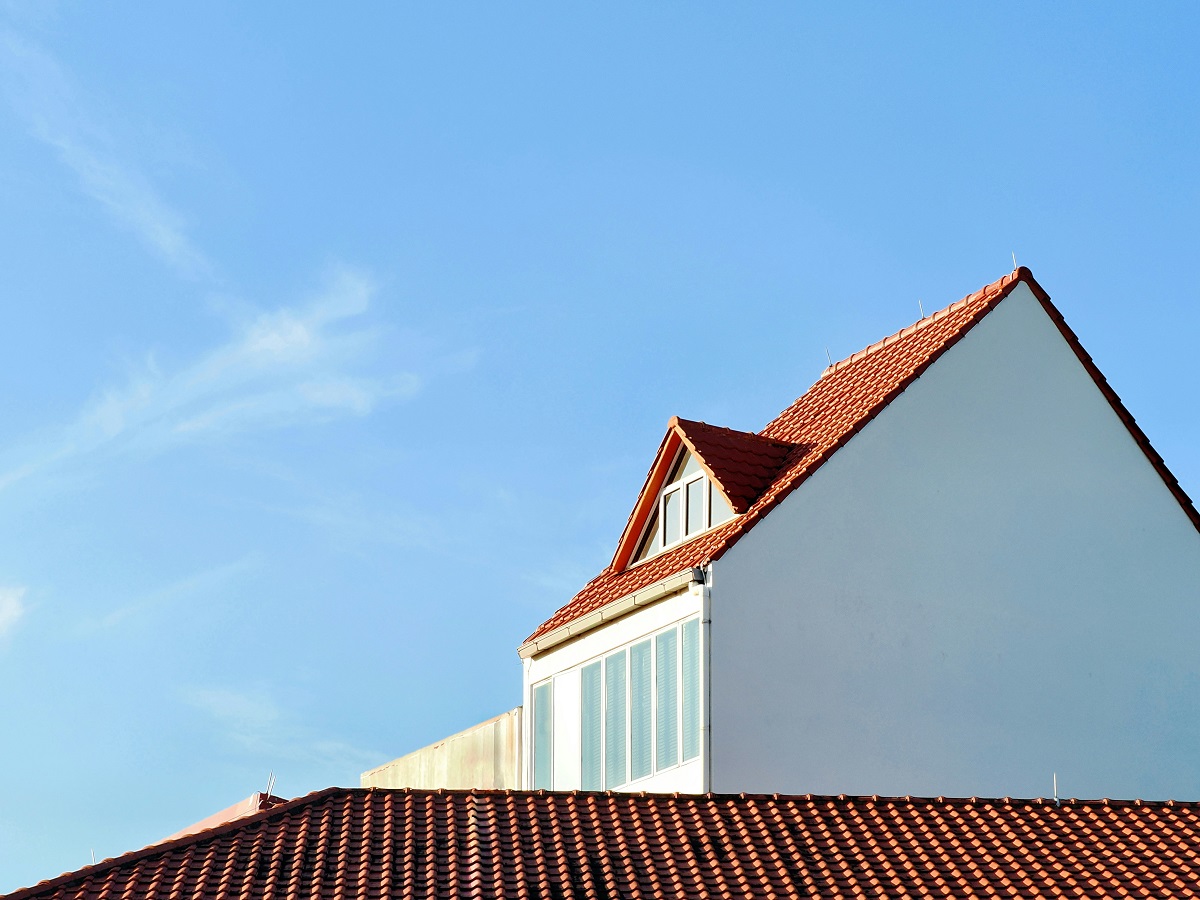
- Clay or concrete tile: 50 to 100 years
- Natural slate: 75 to 150 years
- Wood shakes: 20 to 40 years with proper maintenance
- Synthetic composite shingles: 40 to 50 years
- Built-up or modified bitumen (flat roofs): 20 to 30 years
According to Erie Home, a standard asphalt roof usually needs replacing around the two-decade mark, though premium shingles can push that number closer to 40 years. The gap between budget and premium products is wider than most homeowners realize, which is why upfront material choice matters so much. A homeowner who spends an extra $3,000 on architectural shingles over three-tab versions may avoid an entire roof replacement cycle during their time in the home, effectively saving tens of thousands of dollars in future labor, tear-off fees, and disposal costs.
It’s also worth noting that manufacturer warranties don’t always reflect real-world performance. A 50-year shingle warranty often prorates heavily after the first 10 or 15 years, and installation errors can void coverage entirely. The actual lifespan you get depends just as much on the quality of the installation crew as it does on the material printed on the bundle wrapper.
Why Asphalt Still Dominates the Market
Despite shorter lifespans, asphalt shingles remain the most popular option in North America because they balance cost, availability, and ease of installation. Nearly every roofing contractor is trained to install them, replacement materials are stocked at virtually every supply yard, and repairs can usually be completed in a single day. That ecosystem of familiarity keeps labor costs down and makes insurance claims easier to process after storm damage.
For homeowners who plan to sell within a decade, premium asphalt often delivers better return on investment than exotic materials that outlive their ownership of the house. Spending $80,000 on a slate roof replacement rarely translates into an $80,000 bump in resale value, especially in neighborhoods where comparable homes have asphalt. On the other hand, if you’re staying put for 30 or 40 years, investing in metal, tile, or slate can mean you’ll never have to budget for another full roof replacement — a compelling argument for anyone tired of the recurring expense cycle.
What Factors Shorten or Extend Your Roof’s Life?
Material is only part of the equation. Two identical roofs installed on neighboring homes can age at wildly different rates depending on environmental and structural conditions. Understanding these variables helps you predict wear more accurately and gives you a realistic sense of how often a roof should be replaced in your specific situation, rather than relying on generic manufacturer estimates.
Climate is the biggest wild card. Intense UV exposure bakes shingles brittle, hail cracks them, and freeze-thaw cycles pry at every seam. Homes in the Sun Belt often see asphalt shingles fail five to seven years earlier than the same product installed in milder coastal zones. Humid regions encourage algae and moss, which trap moisture against the surface and accelerate rot, and once biological growth takes hold, it typically returns within a year or two even after cleaning. Coastal properties face a separate challenge in salt-laden air, which corrodes metal fasteners, flashing, and vents long before the shingles themselves wear out.
Key factors that influence longevity include:
- Attic ventilation and insulation balance
- Quality of the original installation
- Frequency of inspections and minor repairs
- Overhanging tree branches and debris accumulation
- Severity of local weather events
- Color and reflectivity of the roofing surface
- Roof slope and complexity of the design
- Proper flashing around chimneys, skylights, and valleys
- Gutter maintenance and effective water drainage
Poor ventilation alone can slash a shingle roof’s lifespan by 20 to 40 percent because trapped heat cooks the asphalt from below. That’s why experienced contractors always inspect the attic before quoting a job. A balanced intake-and-exhaust system, usually combining soffit vents with ridge vents, keeps the underside of the deck cool and dry, preventing both premature shingle failure and the kind of hidden moisture damage that quietly rots sheathing for years.
Installation quality is another silent killer. A roof installed with the wrong nail length, overdriven fasteners, or missing starter strips can look flawless on day one and start leaking within five years. Dark-colored roofs absorb significantly more heat than light ones, which can shave additional years off the material’s rated life in sunny climates. And simple habits — trimming back branches, cleaning gutters each fall, and scheduling a professional inspection every two or three years — can push a roof replacement several years further down the road, saving thousands in the process.
How Often Should You Really Plan to Replace Your Roof?
This is the question every homeowner eventually asks, and the honest answer is: it depends on what’s up there now. For most suburban homes with mid-grade asphalt shingles, planning for a new system every 20 to 25 years is realistic. Owners of metal, tile, or slate can usually stretch that window considerably further.
The industry has consistent guidance on this point. According to the Asphalt Roofing Manufacturers Association, homes with roofs over 20 years old frequently require replacement, even if the surface still looks acceptable from the ground. Hidden deck damage, failing underlayment, and weakened flashing often tell a different story once a professional climbs up for a closer look.
So how often should a roof be replaced in practical terms? If you own a typical asphalt-shingled home, start budgeting around year 15, get professional inspections every two years after that, and expect to pull the trigger somewhere between years 20 and 30. Deciding on repair versus full roof replacement becomes much easier when you have a clear maintenance history to reference.
Reading the Warning Signs Early
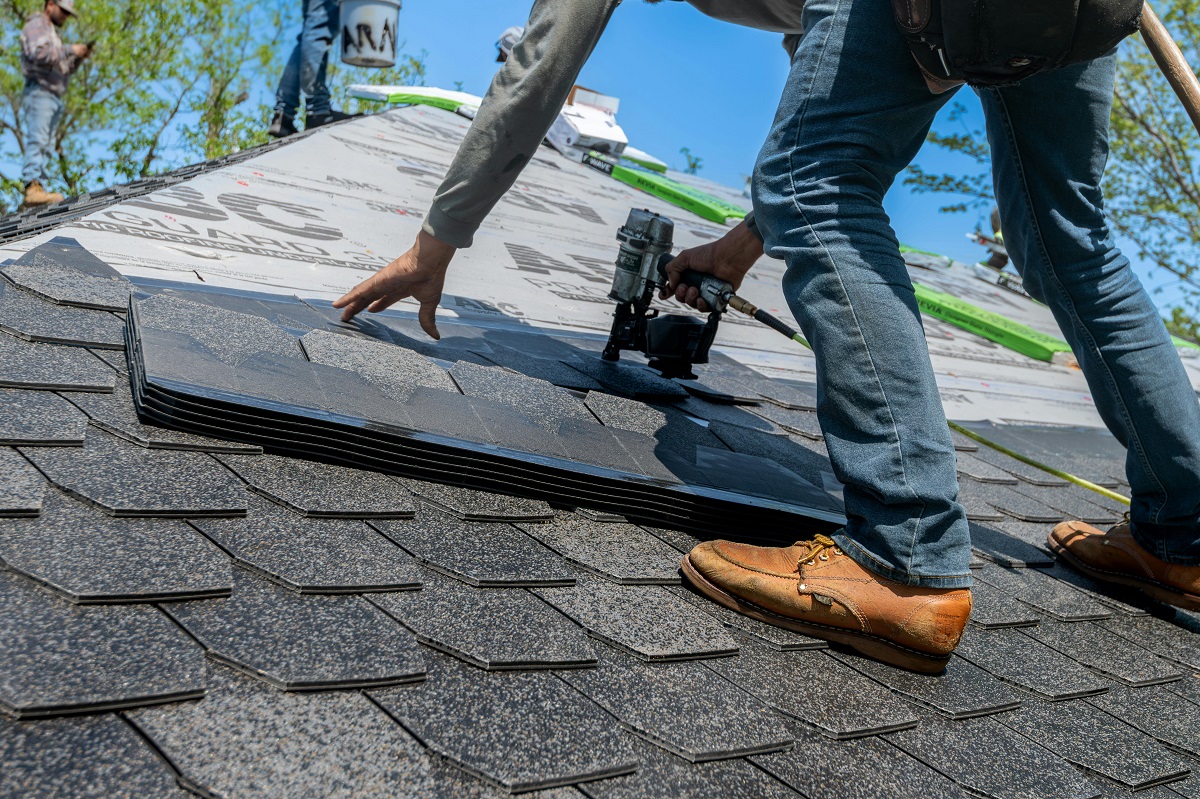
Granules collecting in gutters, shingles that curl or cup at the edges, visible daylight through attic boards, and recurring leaks around chimneys and vents all point toward a system in decline. Catching these signals early expands your options and prevents emergency decisions.
Repair, Restore, or Replace: Which Approach Wins?
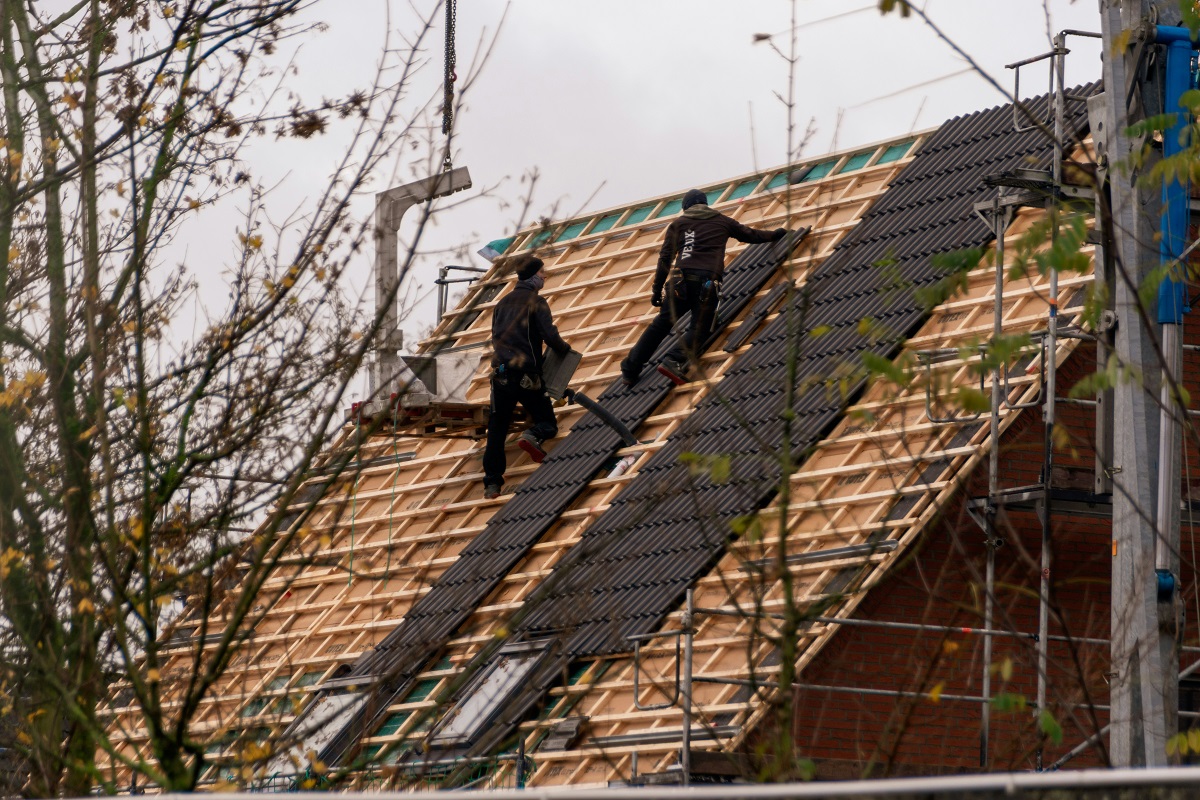
When problems appear, homeowners typically face three paths: patch the problem spots, restore the entire surface with coatings or selective work, or tear everything off and start fresh. Each approach has legitimate use cases, and the right choice depends on age, extent of damage, and future plans for the property.
Spot repairs make sense when damage is isolated and the surrounding material has substantial life left. Restoration shines on commercial flat roofs and certain metal systems where coatings can genuinely extend service life. Full roof replacement becomes the smarter investment once you’re patching the same areas repeatedly or dealing with widespread deterioration.
Here’s how to think about each option:
- Choose repair when: damage covers less than 30 percent of the surface and the roof is under 15 years old
- Choose restoration when: the substrate is sound but the surface needs refreshing
- Choose full replacement when: multiple layers exist, decking is compromised, or the system is past its expected lifespan
- Choose preventive upgrades when: you’re already investing in attic work or solar panels
The decision between restoration versus replacement often comes down to a cost-per-year calculation. If a $4,000 restoration buys you five more years but a $20,000 new system lasts 30, the new system actually costs less annually.
How Much Should You Budget for a New Roof?
Sticker shock is real when roofing quotes arrive. Prices have climbed significantly in recent years due to material costs, labor shortages, and more stringent building codes. Still, understanding the ranges helps you spot both bargains and overpriced bids.
According to GAF, the average cost to replace a roof in 2025 came in at $17,631, though that figure masks huge regional and material-based variation. A small ranch home with basic shingles might land under $10,000, while a complex Victorian with slate and multiple dormers can easily exceed $60,000. The spread is enormous, which is why apples-to-apples quotes matter.
Factors that push the final number up or down include:
- Total square footage and roof pitch
- Number of stories and accessibility for crews
- Tear-off and disposal of existing layers
- Decking repairs discovered mid-project
- Upgraded underlayment, ice-and-water shield, and ventilation
- Flashing, skylights, chimneys, and other penetrations
- Local permit fees and code requirements
Smart homeowners get at least three detailed bids and read the fine print. A bid that looks $3,000 cheaper often skips the synthetic underlayment, uses contractor-grade shingles instead of architectural ones, or quietly excludes decking repair. Those omissions catch up with you later.
Financing and Timing Your Project
Many contractors now offer financing, and some manufacturers run seasonal rebates on premium product lines. Scheduling your project in late fall or early spring, outside the summer rush, can also unlock better pricing and faster start dates.
How Modern Materials Improve Performance
Today’s roofing systems do far more than their predecessors from even 15 years ago. Impact-resistant shingles stand up to hail that would have shredded older products. Cool-roof technology reflects solar heat and trims cooling bills in warm climates. Synthetic underlayments resist tearing and shed water even when the top layer is compromised.
Homeowners investing in a new roof today gain access to algae-resistant granules, Class 4 impact ratings that can lower insurance premiums, and improved ridge-vent designs that keep attics cooler year-round. These upgrades don’t just extend the system’s life, they also pay back through lower energy use and fewer insurance claims.
Metal has also come a long way. Modern standing seam panels come in dozens of profiles and colors, carry 40-year finish warranties, and can be installed directly over existing shingles in some jurisdictions. For homeowners planning to stay put for decades, the premium is often worth it.
Building a Long-Term Maintenance Routine
The homeowners who get the most years out of their systems share one habit: they pay attention. A simple seasonal routine prevents the vast majority of expensive surprises and keeps small issues from snowballing.
A practical maintenance checklist includes:
- Visual inspection from the ground twice a year, especially after major storms
- Professional inspection every one to two years
- Gutter cleaning each spring and fall
- Trimming branches that overhang or scrape the surface
- Checking attic for daylight, moisture stains, or musty odors
- Documenting any repairs with photos and receipts
That paper trail pays off when you eventually sell. Buyers and appraisers respond well to a documented maintenance history, and insurers sometimes offer better terms on well-cared-for homes.
Closing Thoughts
Deciding when to upgrade the covering over your head isn’t just a math problem about years on a calendar. It’s a mix of material science, climate reality, maintenance history, and personal plans for the property. Homeowners who approach the decision proactively almost always end up with better outcomes than those who wait for a leak to force their hand.
The best strategy is to know what you have, inspect it regularly, and start planning well before the end of its expected service life. That way, when the time comes, you’re choosing from the best materials and contractors on your own schedule rather than scrambling after a storm.
Treat your roof as the long-term investment it actually is. The decisions you make today about materials, ventilation, and maintenance will shape your home’s performance, comfort, and value for decades to come.